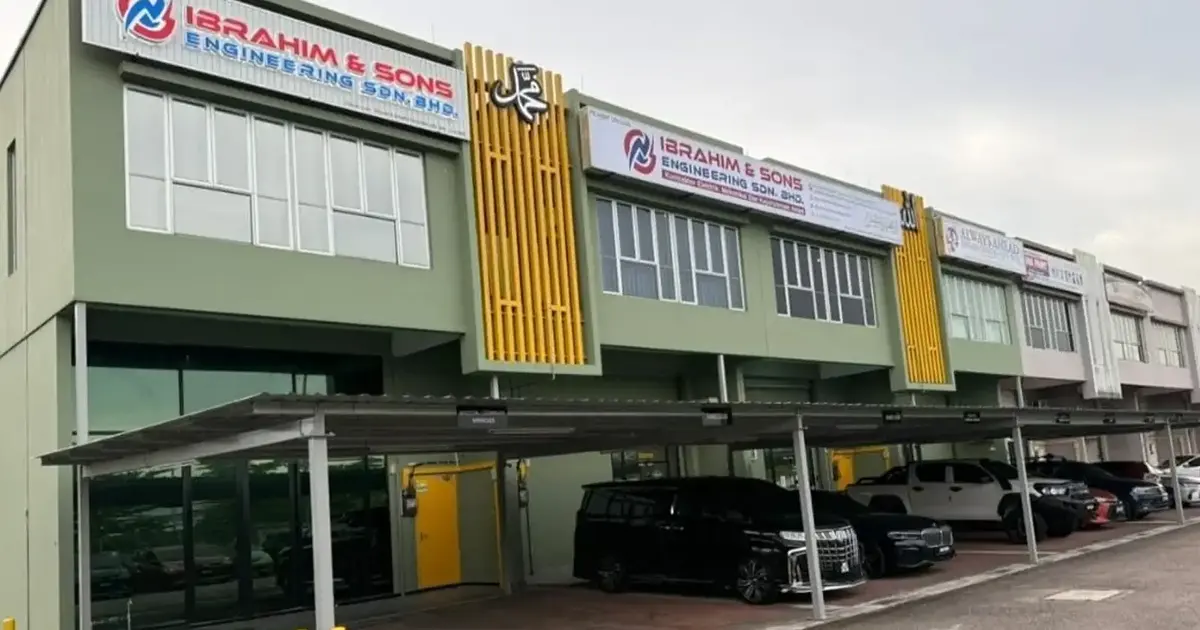
The escalating legal dispute between Ibrahim & Sons Engineering Sdn Bhd and the Steel Hawk group has entered a new phase with the filing of a defamation counterclaim, intensifying what appears to be a high-stakes partnership breakdown with significant reputational implications. Ibrahim & Sons Engineering has alleged that Steel Hawk's public actions and statements were part of a deliberately orchestrated media strategy designed to damage the company's standing and cast its directors in a fraudulent light, court documents indicate.
The counterclaim represents a strategic shift in what began as a commercial dispute between the two engineering concerns. Rather than limiting their response to defending against Steel Hawk's original allegations, Ibrahim & Sons Engineering has chosen to take the offensive by challenging the legitimacy and intent behind the opposing party's communications and public statements. This approach suggests the company believes it can demonstrate a pattern of coordinated activity designed specifically to harm its commercial interests and public reputation.
The allegation of a "pre-planned media strategy" is particularly significant in the Malaysian business context, where corporate reputation remains closely tied to operational viability and relationship-building capacity. By framing Steel Hawk's actions as a calculated campaign rather than a spontaneous response to genuine grievances, Ibrahim & Sons Engineering is attempting to shift the narrative from what may have been a partnership dispute to a question of whether Steel Hawk engaged in tortious interference with business relationships or intentional defamation.
Defamation cases in Malaysia have historically required plaintiffs to demonstrate that false statements were published, caused damage, and were made without legal justification. The use of the media as a vehicle for such statements can strengthen a defamation claim, particularly if Ibrahim & Sons Engineering can establish that Steel Hawk knowingly coordinated press coverage or public communications containing false assertions about fraud or malpractice. The "pre-planned" characterization suggests the company possesses documentary or testimonial evidence of deliberate coordination.
The counterclaim also raises broader questions about corporate conduct and the boundaries of legitimate dispute resolution in Malaysian business. While companies have the right to publicly address allegations against them, courts have consistently held that statements must remain factually grounded and made without malice. If Ibrahim & Sons Engineering can demonstrate that Steel Hawk's media campaign included exaggerations, selective presentation of facts, or statements made with knowledge of their falsity, this would strengthen the defamation case considerably.
Engineering firms operating in the Johor Bahru region, a major industrial and manufacturing hub, depend heavily on reputation and client trust for securing contracts and maintaining relationships with suppliers and financiers. A coordinated negative publicity campaign can therefore cause tangible commercial harm beyond simple reputational injury. This context makes defamation particularly actionable when former business partners are involved, as the presumption of knowledge and credibility in professional circles amplifies the impact of negative statements.
The involvement of the Steel Hawk group specifically raises questions about the scale and resources deployed in the alleged campaign. Group structures often involve multiple entities with shared interests, and if Ibrahim & Sons Engineering can demonstrate that multiple Steel Hawk companies or directors participated in coordinated communications, this would strengthen the argument that the activity was systematic rather than isolated. Malaysian courts have shown willingness to examine whether multiple corporate entities have acted in concert to cause harm.
The case also reflects tensions within Malaysia's engineering sector, where partnership disputes and competitive pressures occasionally escalate into public disputes. Unlike some jurisdictions where corporate disputes are handled more discreetly, Malaysian business culture sometimes sees companies weaponizing media attention to gain negotiating leverage. Courts have gradually responded by reinforcing principles around responsible corporate communication, recognizing that unfounded public accusations can constitute unlawful harm even when made by competing firms.
The defamation counterclaim creates a significantly more complex litigation scenario than a simple commercial dispute would entail. Both parties must now defend their respective characterizations of events and substantiate claims made publicly. Steel Hawk would need to justify the accuracy of any fraud-related statements it made, while Ibrahim & Sons Engineering must prove those statements were false and made maliciously or recklessly. Discovery processes in such cases often become extensive, potentially exposing internal communications, media strategy discussions, and the reasoning behind business decisions.
For Malaysian investors and business partners monitoring this dispute, the case underscores the importance of carefully documenting partnership agreements and maintaining professional communication channels even during disagreements. The willingness of courts to entertain defamation claims between corporate partners suggests that public accusations, regardless of their ultimate validity, carry significant legal consequences. Companies in the engineering sector and related industries should be mindful that disputes conducted through media channels rather than direct negotiation or formal dispute resolution mechanisms create extensive litigation exposure.
The outcome of this case could have precedential implications for how Malaysian courts assess coordinated media campaigns by corporate competitors. If the court finds that Steel Hawk engaged in a pre-planned strategy to damage Ibrahim & Sons Engineering's reputation, it may establish stronger protections for companies against reputational attacks by former partners. Conversely, if the court sides with Steel Hawk, it could expand the latitude companies have in publicly responding to alleged misconduct by business associates. Either outcome will likely influence how similar disputes are handled within Malaysian business circles going forward.

