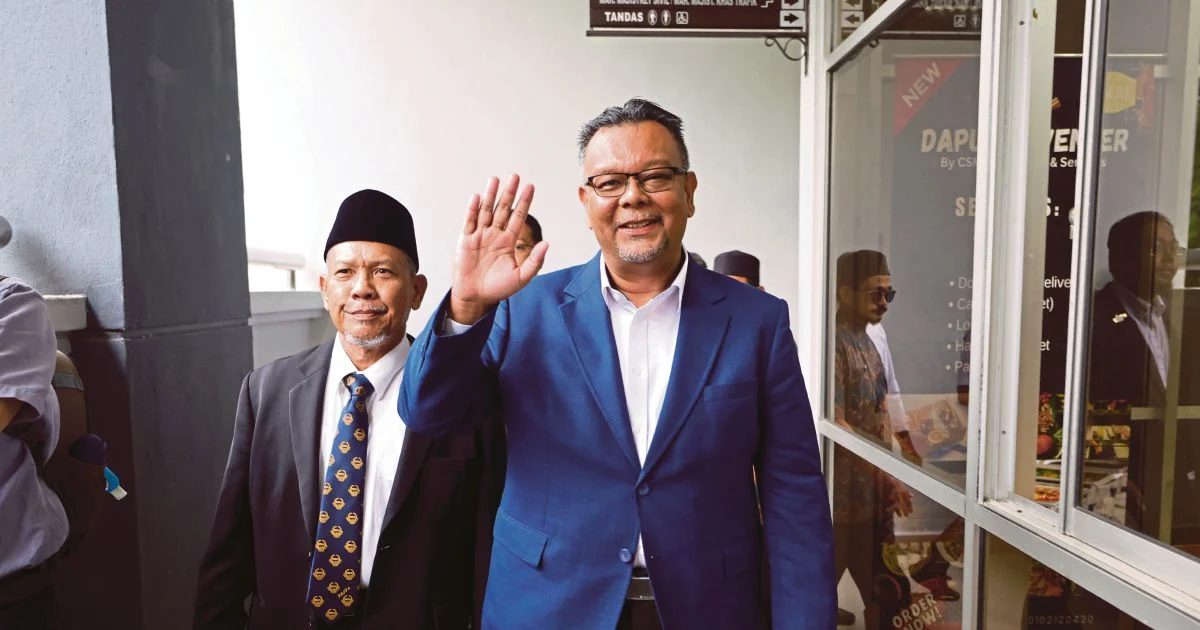
The Jitra state assemblyman Dr Haim Hilman Abdullah appeared before a magistrate in Seremban today to face allegations concerning inflammatory public statements, entering a formal not guilty plea to the charge of making statements likely to cause public alarm. This development marks a significant moment for the Kedah-based politician as the court proceeding moves forward with the contested matter.
The charge against the assemblyman falls under legislation designed to protect public order and prevent statements that could generate widespread concern or disturbance among the citizenry. Such provisions exist across Malaysian law to maintain social stability and prevent incitement of panic or unrest through reckless or malicious speech. The specific nature of the statements in question has become a focal point of legal scrutiny, though details surrounding the exact content remain central to the case's progression.
Dr Haim Hilman's formal plea of not guilty indicates he contests the prosecution's allegations and intends to mount a defence challenging the interpretation or characterisation of his remarks. This legal strategy positions him to argue either that his statements did not in fact constitute behaviour likely to alarm the public, or that any concern generated was not reasonably foreseeable or intended. The approach is standard for those defending against such charges in Malaysian courts.
The Jitra state assemblyman represents a constituency in Kedah's parliamentary district, making this case noteworthy given the political dimensions inherent in any legal action involving elected representatives. Public figures often operate within heightened scrutiny regarding their utterances, as statements by those in office carry broader implications and potentially greater reach than remarks by private citizens. The intersection of political expression and legal restrictions on public speech remains a complex area in Malaysian jurisprudence.
Proceedings in Seremban magistrate's court will likely follow established procedures for examining evidence and hearing arguments from both the prosecution and defence. The court must ultimately determine whether the challenged statements possessed the character of causing public alarm, a legal standard requiring demonstration of a reasonable connection between the speech and potential disturbance or concern within the community. This threshold represents an important safeguard against overly broad suppression of legitimate public discourse.
The case underscores ongoing questions about the boundaries of political speech in Malaysia and what constitutes permissible criticism or commentary by public officials. Elected representatives must balance their responsibility to serve constituents and participate in democratic discourse with legal obligations to avoid statements that could destabilise public order. This tension has periodically generated legal challenges involving politicians across the country's political spectrum.
Dr Haim Hilman's legal team will need to develop a coherent strategy addressing the prosecution's evidence and establishing that either the statements in question lacked the necessary character to cause public alarm or that the charge fundamentally mischaracterises their nature and impact. The burden of proof remains with the prosecution throughout proceedings, requiring demonstration of guilt beyond reasonable doubt. How effectively the defence challenges the evidence will substantially influence the ultimate outcome.
The broader implications for Jitra residents and the Kedah political landscape remain uncertain as the case develops through the court system. Any eventual determination may influence broader discussions about political communication, accountability, and the scope of legislative protections against statements deemed potentially alarming. The case also adds to a growing body of legal actions involving politicians that shape understanding of permissible political expression in contemporary Malaysia.
Further court dates will determine the trajectory of proceedings as evidence is presented and arguments are heard. The process may extend considerably depending on the complexity of the case, the number of witnesses, and the range of evidence both sides wish to introduce. Throughout these proceedings, the assemblyman maintains his presumption of innocence until and unless the court determines otherwise based on the evidence presented during trial.

