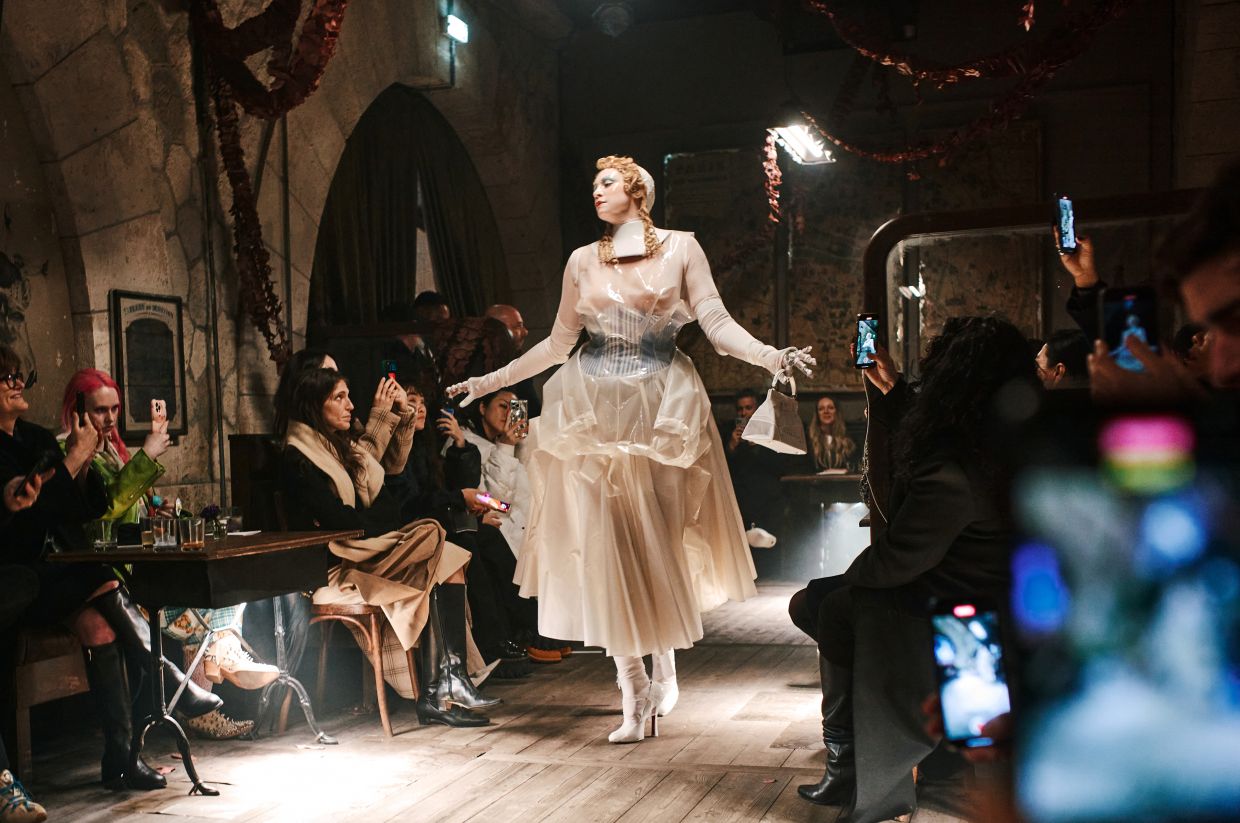
The Metropolitan Museum of Art convened an unusual gathering in May, bringing together influential figures from the fashion world and Jewish community leaders for confidential discussions about one of the art institution's most contentious decisions in recent memory: mounting a major retrospective dedicated to the work of fashion designer John Galliano. The closed-door meeting represented just one of several such encounters held over the past year, reflecting the delicate navigation required when celebrating an undeniably influential creative talent while confronting the consequences of his documented antisemitic statements made more than a decade ago.
Galliano occupies a paradoxical position within contemporary fashion. Recognised as one of the most visionary designers of his generation, his tenure as creative director of the French luxury house Dior from 1996 to 2011 fundamentally reshaped how a heritage fashion institution could engage with conceptual storytelling and theatrical presentation. His ability to reimagine Dior's identity while maintaining reverence for its historical codes established him as an architect of modern luxury. Yet this reputation became inseparable from a scandal that erupted in 2011, when footage surfaced of him making deeply offensive remarks about Hitler and Jewish people whilst intoxicated in a Paris bar, an incident that resulted in his conviction for incitement to hatred in French court and immediate termination from Dior.
The proposed retrospective would represent the third time the Metropolitan Museum has devoted a solo exhibition to a living designer, placing Galliano alongside Yves Saint Laurent and Rei Kawakubo in one of fashion's most prestigious honours. This decision arrives at a moment when antisemitism has resurged across North America, creating additional sensitivity around celebrating a figure with Galliano's documented history. Recent violent incidents targeting Jewish New Yorkers, including an attack prosecuted as a hate crime, have heightened community vigilance and complicated the cultural landscape into which such an exhibition would launch, timed to coincide with the museum's annual Met Gala.
Following his 2011 conviction, Galliano underwent a documented period of rehabilitation that included working with religious leaders to understand the historical and contemporary dimensions of antisemitism. He returned to the fashion industry in 2014 as creative director of Maison Margiela, where he has remained for the past decade. During this period, his designs have achieved unprecedented commercial success, with celebrities including Zendaya, Amal Clooney and Tyla regularly wearing his creations on red carpets, and his vintage pieces setting auction records. This professional resurrection suggests that the fashion industry itself has substantially moved past discomfort with Galliano, yet the Met's decision to mount a museum-level retrospective triggered precisely the reckoning that commercial success had partially obscured.
Museum director Andrew Bolton approached these conversations with deliberate intentionality, framing the exhibition not as a simple celebration but as an opportunity for critical engagement. According to Rabbi Rick Jacobs, president of the Union For Reform Judaism in North America, Bolton's approach emphasised transparency and substantive reflection rather than evasion. The curators have committed to opening the exhibition with what Bolton describes as an "orientation gallery" that will explicitly address what he terms "the rupture" in Galliano's career, positioning his past statements and their consequences as integral to understanding his complete artistic arc rather than marginalising this chapter.
The Jewish leadership representatives who participated in these consultations articulated both recognition of Galliano's documented efforts toward personal reformation and concerns about how institutional celebration might inadvertently diminish accountability. Jonathan Greenblatt of the Anti-Defamation League acknowledged that Galliano's work to repair harm and deepen his understanding of Jewish history and the Holocaust "should be applauded," yet the meetings also surfaced theological and ethical frameworks relevant to the discussion. The concept of teshuvah, the Jewish principle of repentance and restoration, emerged as a lens through which some participants considered whether meaningful redemption had been achieved and whether public institutions have obligations to recognise such transformation.
Rabbi Joshua Davidson of Temple Emanu-El, located near the Metropolitan Museum, articulated a more cautious perspective, suggesting that rather than simply presenting Galliano's aesthetic achievements, the exhibition could leverage its platform to educate broader audiences about contemporary antisemitism and the importance of challenging hate speech. This perspective reframes the retrospective as potentially serving a pedagogical function beyond art history, using Galliano's specific case as an entry point to broader conversations about discrimination, consequences, and social responsibility. Such an approach would require the museum to accept a more explicitly political role than traditional art exhibitions typically assume.
Bolton has indicated his intention to emphasise Galliano's own words throughout the exhibition, a curatorial choice that reflects feedback from community consultations emphasising that clarity and specificity outweigh euphemistic language. Rather than positioning himself as a mediator presenting Galliano's preferred narrative, Bolton stated his commitment to presenting the most historically accurate accounting of events and their implications. This distinction matters significantly for how audiences will encounter both Galliano's artistic achievements and the contested history surrounding them, demanding that visitors engage with uncomfortable tensions rather than experiencing a sanitised retrospective.
The Met's decision to consult extensively with Jewish community leaders before finalising exhibition plans sets a precedent for how major cultural institutions might engage with complex questions of artistic legacy and social responsibility. This approach acknowledges that retrospectives are never merely aesthetic exercises; they constitute institutional endorsements and cultural statements with reverberations extending beyond the museum walls. For Malaysian and Southeast Asian audiences following this development, the Galliano case illuminates broader questions about how societies balance artistic merit against ethical concerns, and whether figures who have caused documented harm can be meaningfully rehabilitated within public consciousness.
Bolton's plan to create an online forum for continued discussion suggests recognition that the exhibition itself cannot contain all relevant perspectives or resolve fundamental tensions about redemption and accountability. This openness to ongoing dialogue rather than presenting the retrospective as a definitive conclusion reflects a more sophisticated understanding of how institutions can engage with contested figures. However, it remains unclear whether such mechanisms will genuinely facilitate substantive engagement or function primarily as public relations measures intended to deflect criticism.
The Galliano retrospective ultimately tests whether contemporary institutions can navigate the space between artistic acknowledgment and ethical responsibility, between recognising transformative creative contributions and insisting on accountability for documented harm. Fashion has largely moved past discomfort with Galliano, driven by the aesthetic power and commercial appeal of his work, yet the Met's exhibition forces a more deliberate cultural reckoning. How the museum presents both his undeniable influence on contemporary fashion and the consequences of his past statements will establish important precedents for how institutions across disciplines approach similar dilemmas in an era when social responsibility increasingly shapes cultural legitimacy.

