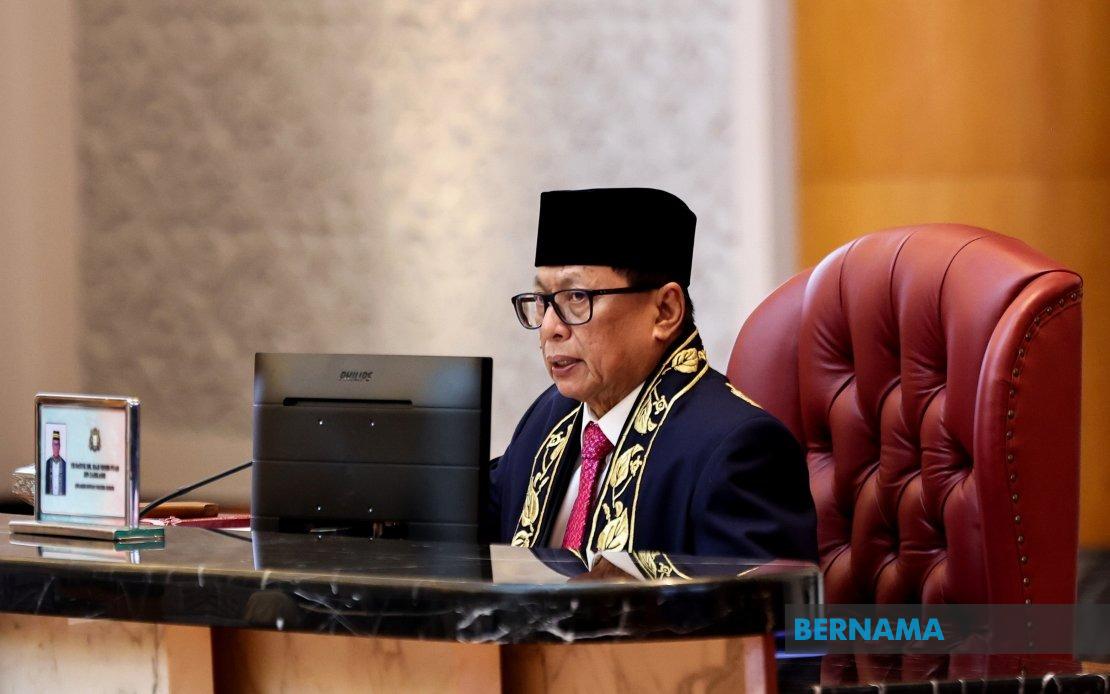
Datuk Dr Mohd Puad Zarkashi, the incumbent assemblyman for Rengit and speaker of the Johor State Legislative Assembly, has announced that he will not contest the upcoming Johor state election scheduled for July 11. The decision marks a significant shift in state-level politics as the seat becomes vacant after Mohd Puad's tenure representing the constituency.
In a statement shared on Facebook, Mohd Puad explained that age constitutes the primary reason behind his withdrawal from the race. At 69 years old, he expressed concern about the appropriateness of continuing his political career, noting that he would reach 74 in the next five years. This candid acknowledgement of age as a limiting factor stands in contrast to the typical narrative in Malaysian politics, where long-serving politicians often contest multiple elections regardless of advancing age. His decision reflects a refreshing commitment to generational renewal within the political structure.
Mohd Puad indicated that he had made this determination approximately a year ago, though he formally notified UMNO president Datuk Seri Dr Ahmad Zahid Hamidi and Johor UMNO chairman Datuk Onn Hafiz Ghazi merely two weeks prior to the announcement. This relatively recent communication to party leadership suggests the decision had been contemplated for some time before formal notification occurred. The timing of his announcement allows the party sufficient window to identify and vet alternative candidates before nomination day on June 27.
Crucially, Mohd Puad used his departure as an opportunity to advocate for youth involvement in the political process. He specifically called for opportunities to be extended to candidates aged 50 and below, positioning his withdrawal as part of a broader strategy to inject fresher perspectives into state governance. This generational shift argument carries particular relevance in Malaysian politics, where concerns about entrenched leadership and limited pathways for younger politicians frequently surface in public discourse.
Moreover, Mohd Puad's statement strongly endorsed the leadership of Johor UMNO chairman Datuk Onn Hafiz Ghazi, suggesting that he should be permitted to lead a younger team to continue the party's administration of the state. This endorsement represents an implicit acknowledgement of the transition occurring within Johor's political hierarchy and lends weight to Onn Hafiz's authority to shape the party's direction heading into the election. For Onn Hafiz, this presents an opportunity to consolidate control over candidate selection and establish his vision for Johor's governance.
Beyond the question of succession, Mohd Puad articulated several criteria he believes should guide the selection of future candidates. He emphasized the importance of candidates being well-educated, demonstrating strong moral character, showing unwavering commitment to the party's struggle, and possessing clear understanding of the nation's strategic direction. These qualifications reflect a framework emphasizing competence and ideological alignment, standards that could influence how UMNO and its coalition partners approach candidate vetting for this election and potentially beyond.
Prior to stepping aside, Mohd Puad indicated his intention to address outstanding matters that require his attention during the remaining period before nomination day. This statement suggests he plans to fulfill his responsibilities as both assemblyman and speaker until the formal transition occurs, ensuring continuity in legislative affairs. Such attention to unfinished business demonstrates a measured approach to his departure rather than an abrupt withdrawal.
In acknowledging those who contributed to his political journey, Mohd Puad expressed gratitude toward the residents of Rengit for their sustained support throughout his tenure. He also extended appreciation to His Majesty Sultan Ibrahim, King of Malaysia, for granting consent to his appointment as Johor speaker, a position of considerable institutional significance within the state legislature. These courtesies underscore the respect and institutional protocols that characterize his departure from electoral politics.
Mohd Puad's previous electoral performance provides context for the significance of the Rengit seat within Johor's political landscape. In the 2022 Johor state election, he secured the seat with a margin of 1,920 votes, indicating a reasonably competitive constituency rather than a completely dominant position. This relatively modest majority suggests that while Rengit has remained within UMNO's grasp, the seat requires active campaigning and organizational effort to retain. The search for a replacement candidate who can maintain this margin will be crucial for the ruling coalition's prospects.
The Rengit constituency represents one of numerous seats contested in the broader Johor political arena, where the coalition led by UMNO and Barisan Nasional faces challenges from opposition parties. The July 11 election will determine whether the current administration retains its grip on state power or whether opposition forces can capitalize on potential dissatisfaction among voters. The transition in Rengit, therefore, forms part of the larger tapestry of electoral competition unfolding across the state.
Mohd Puad's withdrawal from electoral politics reflects broader patterns within Malaysian political leadership, where questions about succession planning and generational renewal have become increasingly prominent. His explicit advocacy for younger candidates positions his departure not merely as a personal decision but as a statement about the direction political parties should take. Whether other senior figures in Malaysian politics adopt similar approaches toward creating space for emerging leaders remains an open question with significant implications for the country's political future.