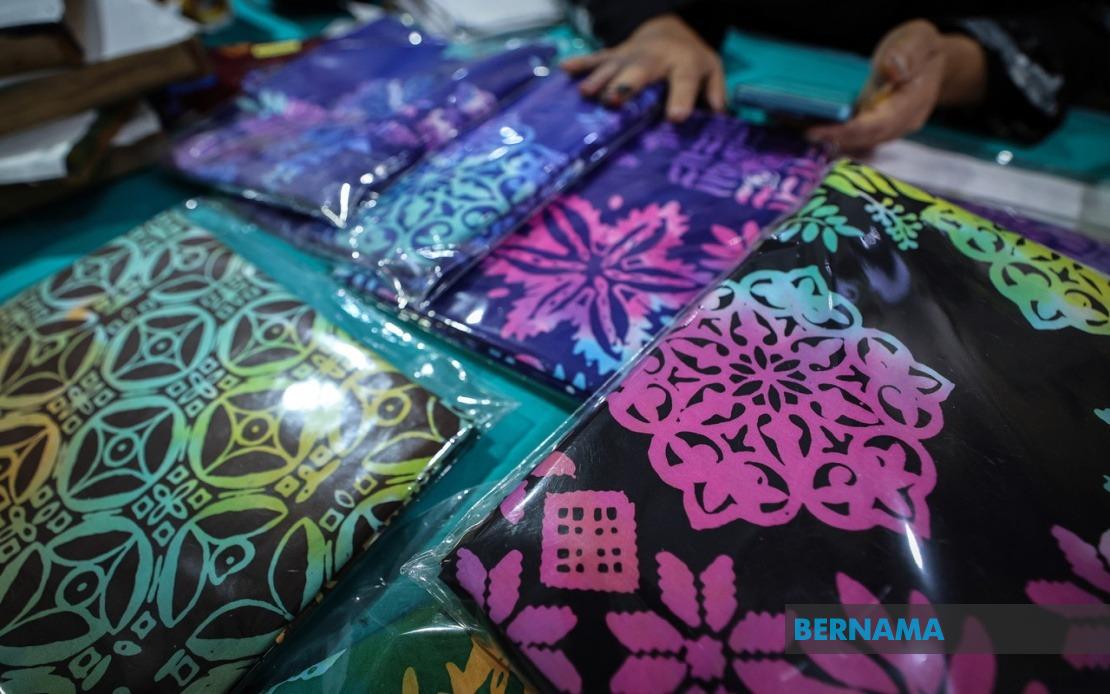
Batik production, traditionally the preserve of East Coast Malaysia, is establishing itself as a growing craft sector in Johor, where artisans are deliberately sourcing inspiration from the state's unique environmental and cultural landscape to differentiate their work in an increasingly competitive market. The movement represents a significant attempt to decentralize a heritage craft and build regional economic value through locally rooted design innovation.
The Johor Batik movement draws heavily on the state's distinctive geographical and historical character. Designs incorporate visual references to black pepper and gambir—commodities central to Johor's colonial and pre-colonial trade networks—alongside natural imagery such as mangrove ecosystems, coral reef formations, the berembang tree and tiger-stripe motifs. These elements serve dual purposes: they anchor the product to recognizable local identity while creating commercial differentiation from the established batik centres of Terengganu, Kelantan and Pahang that dominate national perception of the craft.
Maimunah Yaacob, whose three decades of work as a Johor Batik pioneer exemplifies this regional development, began her journey unconventionally by learning foundational canting techniques in Terengganu in 1993 before pursuing advanced training in Kuala Lumpur. She launched her business, Ranorm Batik Creation in Tanjung Sedili, with minimal capital of RM2,000 from a domestic kitchen. Her early recognition that market success required differentiation—deliberately avoiding existing design patterns—shaped a strategy that would eventually define Johor Batik's commercial positioning.
Geographic specificity has become central to the Johor Batik brand narrative. The towns of Muar and Pontian are represented through botanical motifs reflective of their agricultural heritage, while coastal settlements including Kota Tinggi and Sedili incorporate maritime elements recognizing their historical and contemporary relationship with the sea. This cartographic approach to design—essentially creating a visual taxonomy of Johor's districts through textile—functions as both creative discipline and marketing framework, allowing consumers to purchase designs that explicitly reference particular localities within the state.
Authenticity remains a contested issue within the sector as machine-printed alternatives proliferate. Maimunah emphasizes that genuine hand-drawn batik employing traditional hot wax and canting methods produces distinctive visual characteristics absent from industrial production: colour penetration proves consistent across both fabric surfaces due to the wax-resist dyeing process, creating tactile and visual qualities that mechanical printing cannot replicate. This distinction matters beyond mere aesthetic preference; it anchors premium pricing and justifies craft preservation efforts to younger generations potentially drawn to faster, cheaper manufacturing methods.
The commercial viability of Johor Batik has expanded incrementally through strategic event participation and product diversification. Visibility at national platforms including the National Craft Day celebration in Kuala Lumpur and the Johor Craft Festival has generated consumer awareness within Malaysia, while cross-border sales to Singaporean buyers indicate regional market potential. Product pricing demonstrates market segmentation: basic items such as headscarves retail at RM35, while premium silk attire sets command several hundred ringgit, allowing the sector to serve both mass and luxury consumer segments.
Product innovation targeting younger demographics represents an important adaptation strategy for heritage crafts facing generational appeal challenges. The deliberate introduction of contemporary and casual designs—departing from traditional formal batik aesthetics—reflects recognition that craft preservation cannot rely solely on nostalgic or cultural authenticity arguments. Young Malaysian consumers increasingly expect heritage products to integrate contemporary style sensibilities, and Johor Batik producers are negotiating this tension by maintaining traditional production methods while modernizing design vocabulary and garment formats.
The growth of Johor Batik also reflects broader Southeast Asian patterns of regional cultural branding and craft sector development. States and provinces increasingly compete through heritage product differentiation as globalization and e-commerce enable small producers to reach dispersed markets. Johor's batik initiative parallels similar efforts across the region where local governments and artisan communities leverage distinctive natural and cultural resources to create economically viable niche sectors that simultaneously preserve traditional knowledge systems.
However, significant constraints remain. Competition from industrial textile production continues intensifying, and artisan-based production cannot match factory volumes or price points. The sector depends heavily on individual artisan initiative, with limited institutional support from state authorities or formal training infrastructure. Maimunah's expressed hope for expanded government-backed programmes and formal educational pathways suggests current training gaps that restrict generational knowledge transfer and commercial expansion.
The sustainability of Johor Batik ultimately depends on whether emerging craftspeople can replicate Maimunah's combination of technical skill, business acumen and commitment to local design authenticity. Without systematic mentoring, formalized training, and marketing infrastructure developed specifically for Johor-based producers, the movement risks remaining concentrated among a small number of pioneering artisans rather than evolving into a sustainable regional industry capable of employing and engaging younger craftspeople at scale.
For Malaysian policymakers and heritage advocates, Johor Batik demonstrates how traditional crafts can remain economically relevant by grounding themselves in authentic local particularity rather than pursuing generic heritage marketing. The model suggests that craft sector revival requires simultaneous commitment to technical excellence, geographical and cultural specificity, contemporary design sensibility, and accessible market channels—not cultural preservation alone.

