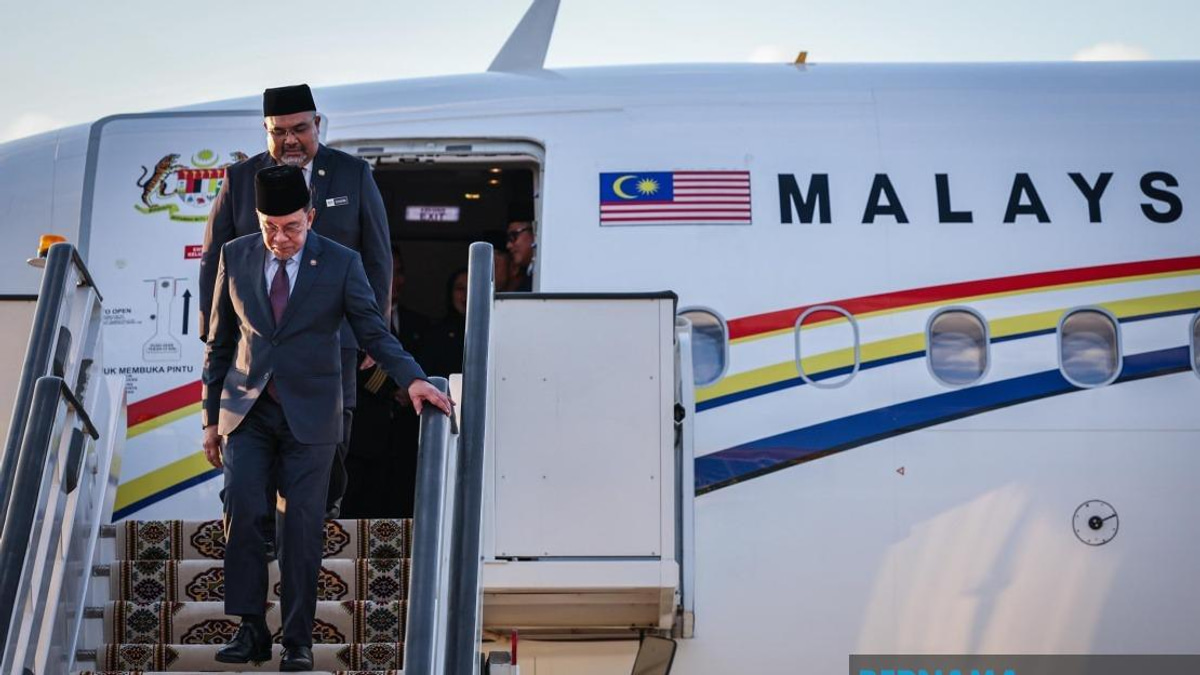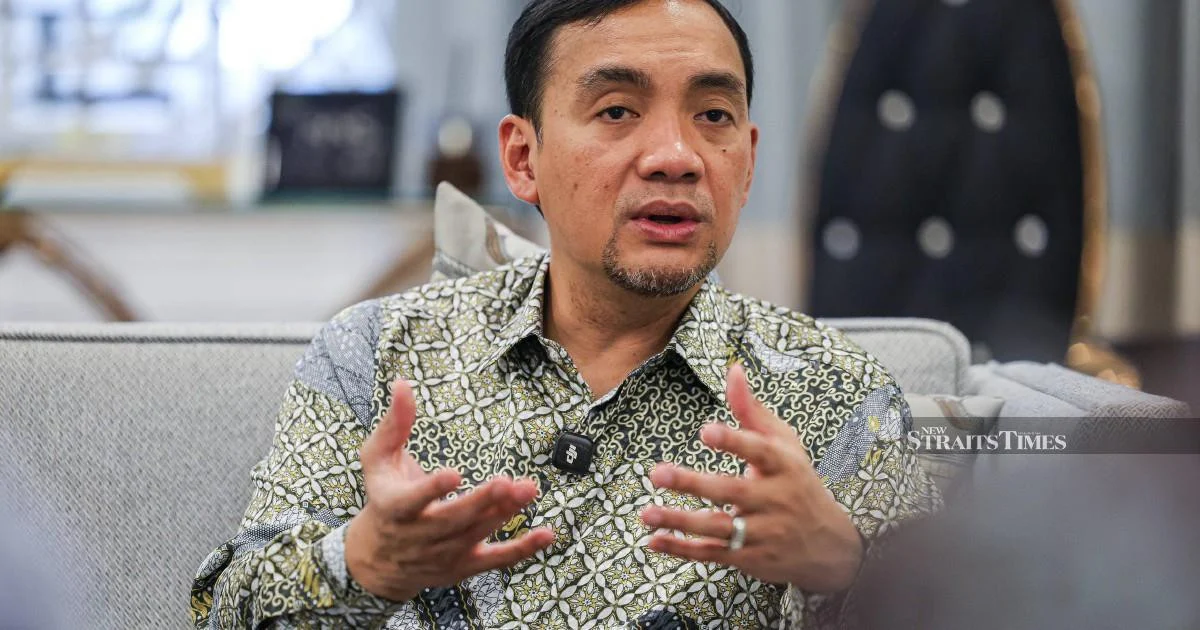
The Barisan Nasional machinery in Johor appears on track to complete internal candidate selection procedures, with party leadership preparing to present the full slate of contenders to the public within days. According to Onn Hafiz, the coalition's position in the southern state has undergone systematic review and finalisation, culminating in what officials characterise as a decisive moment ahead of electoral contests.
This timeline reflects the customary structure of Malaysian political campaigns, where nomination approval typically cascades through party hierarchies before public presentation. The Saturday announcement carries symbolic weight in Johor politics, traditionally serving as a decisive signal that coalition machinery has resolved internal negotiations and settled competing claims on winnable seats. For BN, the public unveiling of its candidate list represents movement from backroom consolidation into the formal campaign phase.
Johor's electoral dynamics have shifted considerably in recent years, with the state serving as a critical bellwether for national political trends. The peninsula's southernmost major political battleground encompasses constituencies with divergent voter demographics—from urban-centred federal territory areas to rural agricultural regions and industrial zones. Candidate selection in this landscape requires balancing ethnic representation, incumbency protection, and fresh faces designed to appeal to constituencies where opposition parties have gained ground.
The BN coalition structure in Johor, encompassing UMNO, MCA, MIC, and PBS, necessitates negotiated distribution of contested seats. Saturday's announcement will reveal how party leadership has arbitrated between established senior figures seeking re-nomination and new candidates positioned as potential vote-getters in marginal constituencies. These internal decisions often generate controversy within component parties, particularly where outgoing representatives face replacement or where rising figures receive prominence.
Onn Hafiz's statement indicates organisational readiness and suggests that protracted negotiations across coalition partners have reached resolution. The compressed timeframe—finalisation by week's end followed by public announcement—underscores the campaign's accelerating pace and implies candidates themselves may have received advanced notice during closed-door briefings. This advance preparation permits individual contenders to commence grassroots organising, media engagement, and constituency familiarisation before formal nomination processes commence.
The Johor context carries particular significance for national politics. As UMNO's traditional stronghold and the peninsula's most politically pivotal state, Johor's electoral performance carries outsized influence on overall national political direction. Any significant departures from BN's historical dominance in state-level contests—or conversely, consolidation of support—would signal broader realignments affecting future federal-level contests. Opposition parties, particularly PKR and DAP-aligned coalitions, have mounted sustained efforts in specific Johor constituencies, making candidate quality and campaign credibility decisive factors.
The timing of Saturday's unveiling suggests BN strategists have assessed that public presentation will generate favourable initial coverage and establish candidate narratives before opposition figures can preemptively define them. Johor voters, particularly in urban centres and secondary cities, increasingly engage with candidate credentials and policy positions through digital channels, making early candidate visibility a strategic priority. The scheduled announcement permits media analysis and public discussion throughout the weekend before campaign activities intensify.
Regional implications extend beyond Johor's boundaries. Singapore's government, given geographical proximity and substantial commercial integration between the island republic and Malaysia's most developed southern state, maintains acute awareness of Johor political developments. Electoral outcomes affecting infrastructure coordination, cross-border commerce, and metropolitan governance require stable governance and predictable policy continuity. BN's performance thus influences broader ASEAN political stability narratives.
Candidates themselves face compressed timelines for establishing campaign infrastructure and voter engagement strategies. Saturday's announcement transforms private selection processes into public reality, exposing candidates to media scrutiny, opponent challenges, and voter assessment. Those nominated in competitive constituencies must immediately mobilise party machinery, activate ground-level networks, and commence door-to-door familiarisation campaigns. The transition from backroom selection to frontline campaigning occurs rapidly within Malaysian electoral schedules.
Onn Hafiz's confidence in meeting the stated timeline suggests no anticipated last-minute crises or significant coalition disputes requiring extended negotiation. This relative certainty indicates either successful prior consensus-building among BN component parties or clear hierarchical decision-making that obviated protracted wrangling. Either scenario suggests organisational coherence and readiness to project unified campaign messaging from the outset.
For Malaysian observers tracking electoral developments, Saturday's event represents a pivotal transition point. The candidate announcement transforms abstracted political discussions into concrete choices voters will evaluate. How effectively BN's selected candidates resonate with Johor's diverse electorate—and whether opposition parties field competitive counter-candidates—will substantially determine the state's electoral trajectory. The coming days will clarify both coalition strategy and opponent responses, establishing patterns for subsequent campaign phases across the state.