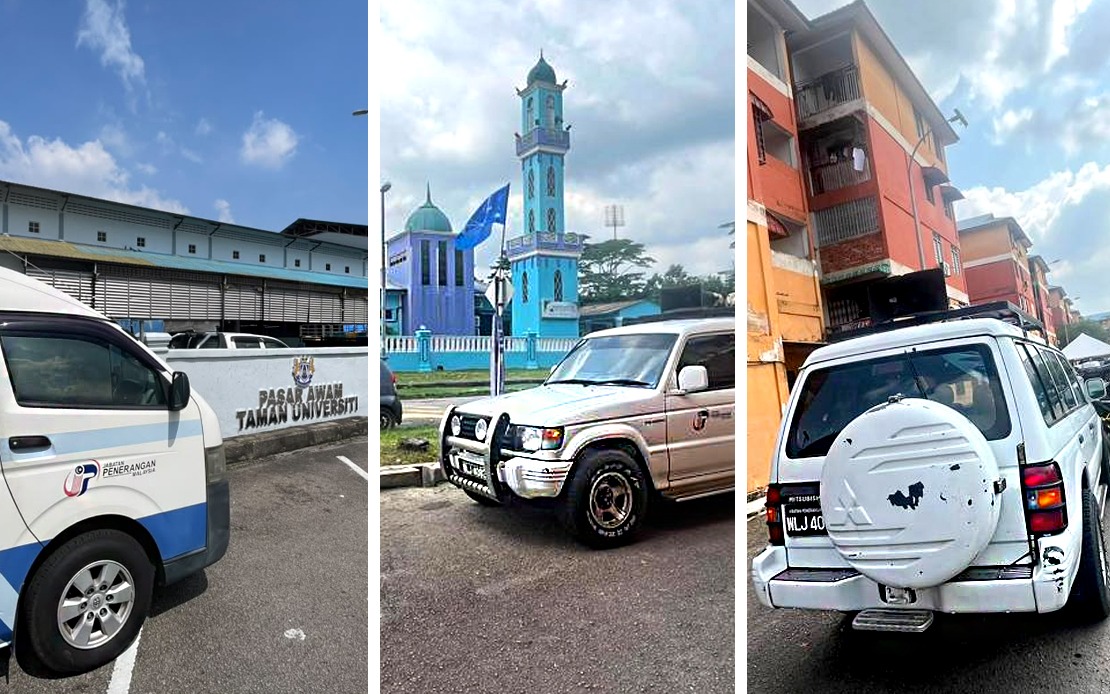
The Johor Department of Information has activated a comprehensive ground campaign involving 26 mobile Info On Wheels units to encourage citizens to participate in the 16th Johor state election, with particular focus on reaching voters across all demographic segments. Director Mohd Rizal Hashim outlined the initiative as a proactive strategy to ensure that election-related communications from the Election Commission and state authorities reach the public through direct engagement rather than passive information-seeking. The deployment spans the entire state, covering all 10 administrative districts and 56 state constituencies, reflecting a coordinated effort to maximise accessibility for rural and urban voters alike.
The operational scope of this information drive extends beyond simple announcements about polling procedures and dates. Mohd Rizal emphasised that intensified messaging will occur during the final three days before polling, particularly during morning and evening periods when household activity peaks, targeting voters with reminders to verify their registration status and arrange their travel logistics to voting venues. This timing strategy recognises that last-minute information campaigns can significantly influence turnout among less engaged segments of the electorate who may otherwise forget to vote or remain uncertain about their eligibility to participate.
JAPEN's approach fundamentally shifts the burden of information-seeking from citizens to state apparatus. Rather than expecting voters to actively search for official details through traditional media channels or government websites, the department dispatches mobile units into communities, markets, residential areas, and transportation hubs where people conduct their daily activities. This street-level presence makes election information unavoidable and convenient, potentially removing practical barriers that discourage participation, particularly among older voters, those with mobility challenges, and individuals in remote locations with limited internet access.
The campaign addresses three distinct geographic and demographic contexts simultaneously. Urban areas targeted by the units typically feature higher baseline voter awareness but sometimes lower participation rates due to perceived political disengagement or competing priorities. Residential neighbourhoods represent the bulk of Malaysia's suburban electorate, often requiring consistent reminders to fulfil voting responsibilities. Rural areas, Felda settlements, and Orang Asli villages face genuine logistical challenges in accessing information and polling stations, making mobile units an essential service for ensuring these populations receive official guidance and feel included in the democratic process.
Beyond procedural information, JAPEN personnel are conducting face-to-face advocacy programmes designed to counter misinformation during the heightened disinformation risk period surrounding elections. Mohd Rizal identified the spread of unverified claims and inflammatory speech as persistent challenges during election seasons, particularly when amplified through social media platforms where fact-checking mechanisms remain weak. The department's emphasis on direct interaction enables real-time correction of false narratives and provides citizens with authoritative sources against which to evaluate competing claims encountered online.
The information campaign explicitly connects voting to broader governance outcomes, framing electoral participation not merely as a civic right but as an essential responsibility for determining the state's development priorities, economic policy direction, and social priorities over the next five mandate period. This framing is designed to elevate voter motivation beyond simple procedural compliance, encouraging citizens to view their ballot choice as consequential for their personal and collective well-being. For Malaysian voters, this messaging contextualises the election within ongoing concerns about cost of living, employment opportunities, infrastructure development, and service quality that directly affect household economics.
The emphasis on verified information and peaceful voting reflects broader concerns about election integrity and communal harmony in Malaysia's diverse society. Unsubstantiated claims and inflammatory rhetoric during elections can exacerbate inter-community tensions, particularly in states with significant ethnic and religious diversity like Johor. By positioning information verification as essential infrastructure for harmonious elections, JAPEN articulates a vision of electoral democracy grounded in factual discourse rather than emotional appeals or identity-based polarisation.
The public warning against unverified social media content recognises that information consumption patterns among Malaysian voters have fundamentally shifted toward digital platforms, particularly WhatsApp, Facebook, and TikTok, where misinformation spreads rapidly with minimal institutional barriers. Traditional media gatekeeping functions have diminished, placing responsibility for evaluating information credibility increasingly on individual voters. The department's reminder that citizens should maintain heightened vigilance acknowledges this reality while encouraging critical consumption of election-related content encountered online.
For voters planning to participate, JAPEN emphasises early journey planning to avoid last-minute obstacles that could prevent attendance at polling stations. This practical guidance addresses real logistical challenges, particularly for voters in areas with inadequate public transportation or those juggling work schedules with voting responsibilities. By normalising advance preparation, the campaign reduces friction in the participation process and signals that voting requires intentional planning rather than spontaneous compliance.
The 26-unit deployment represents substantial resource commitment from the state information apparatus, suggesting that authorities prioritise voter participation as a democratic norm requiring active promotion. This contrasts with minimal-engagement approaches where government communicates election logistics only through official notices, leaving voters to independently identify and absorb information. The comprehensive mobilisation approach reflects contemporary understanding that turnout improves when official information reaches voters through multiple channels and familiar community spaces, reducing the cognitive and logistical burdens associated with electoral participation.

