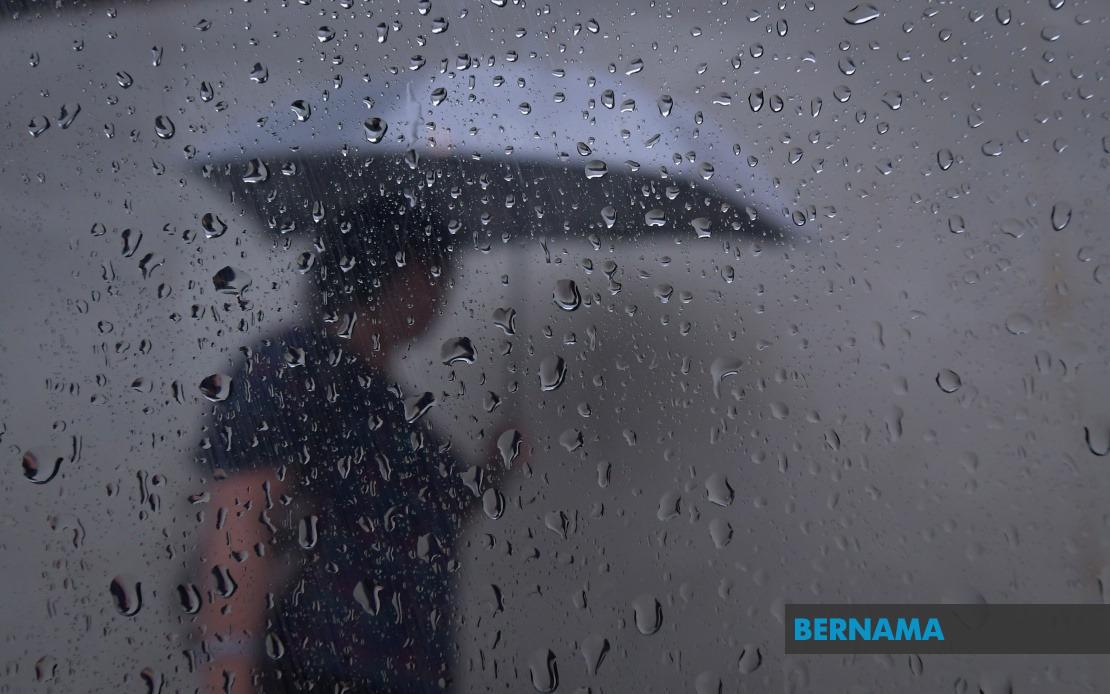
Johor's early voting phase for the 16th state election is set to proceed tomorrow amid mixed weather conditions, with the state's meteorological authorities cautioning voters in four key districts to expect rainfall during the morning hours. The Johor Meteorological Department has issued a forecast indicating that Batu Pahat, Muar, Pontian, and Tangkak will experience morning showers, prompting the agency to advise eligible early voters to consider casting their ballots during the forenoon to avoid potential disruptions.
Director Azlai Ta'at of the Johor Meteorological Department outlined the anticipated weather patterns in a statement, noting that other regions across Johor including Johor Bahru, Segamat, Kluang, Kota Tinggi, Mersing, and Kulai are expected to enjoy relatively pleasant conditions throughout the morning period. However, his forecast takes a notably pessimistic turn when examining the afternoon outlook, with thunderstorms anticipated to develop across all districts statewide by the afternoon hours. This progression from localized showers to generalised convective activity underscores the need for early voters to be strategic about their timing.
The meteorological warning carries particular significance for the 24,751 early voters scheduled to participate in tomorrow's polling exercise, representing military and police personnel along with their eligible spouses who benefit from provisions allowing them to vote before the main election day. Of this contingent, 12,041 individuals comprise Malaysian Armed Forces personnel and their spouses, whilst the remaining 12,710 voters are drawn from the Royal Malaysia Police and General Operations Force together with their respective families. This early voting mechanism ensures that security and defense personnel, whose operational commitments may conflict with ordinary voting schedules, can participate in the democratic process without jeopardising their duties.
Sixty-four early voting stations have been established across Johor to accommodate these voters, with operations commencing at 8 am tomorrow. The voting centres will operate under a staggered closure arrangement, with specific closing times varying between noon and 6 pm depending on the location and the registered voter population at each station. This flexibility in operating hours reflects the logistical complexities of managing polling across districts of varying population density and geographic spread.
The early voting phase represents merely a prelude to the main electoral exercise scheduled for Saturday, when approximately 2.7 million ordinary voters will proceed to the ballot boxes across 1,140 polling centres distributed throughout the state. The 16th Johor state election has attracted a total of 172 candidates contesting for representation across the 56 state legislative seats, indicating a competitive political environment with multiple aspirants vying for each position. This level of candidacy reflects the significance that political parties and independent candidates attribute to representation in Johor's state assembly.
The total eligible voter population for this election stands at 2,727,926 individuals, representing a substantial democratic engagement across the state and underscoring Johor's importance within Malaysia's electoral landscape. The geographic distribution of polling centres and the diverse weather conditions across different districts present practical challenges for election administrators tasked with ensuring smooth operations and maximum voter participation. The forestalling of afternoon thunderstorms across all districts necessitates contingency planning by election officials to maintain the integrity and accessibility of polling operations.
The meteorological guidance to voters to cast ballots early in the day reflects a pragmatic approach to managing potential weather-related disruptions, acknowledging that rainfall and thunderstorm activity could logistically hinder voter movement or create uncomfortable conditions at polling stations. Authorities recognise that while weather alone should not deter voters, providing them with advance warning and strategic voting recommendations can optimise participation rates and reduce potential friction in the electoral process. The emphasis on morning voting becomes particularly relevant given the concentration of early voters whose professional commitments may already impose constraints on their availability.
This electoral exercise in Johor carries broader significance for Malaysian politics, as state-level elections frequently serve as indicators of shifting voter sentiment and provide opportunities for parties to test new messaging and campaign strategies ahead of potential federal contests. The weather preparations and organisational arrangements for early voting reflect the maturity of Malaysia's electoral administrative machinery in accommodating diverse voter populations with varying operational constraints. The coordination between meteorological services and election authorities demonstrates how technical expertise from different government domains contributes to facilitating democratic participation.
Voters intending to participate in early voting are encouraged to check with local authorities regarding the specific locations and operating hours of their designated polling stations, particularly given the weather advisory. The forecast conditions, while not necessarily prohibitive of voting, serve as a reminder of the logistical considerations that electoral systems must accommodate. As Johor prepares for what promises to be a competitive election cycle, the intersection of meteorological realities and democratic participation highlights the practical dimensions underlying electoral exercises that extend beyond the political competition itself.

