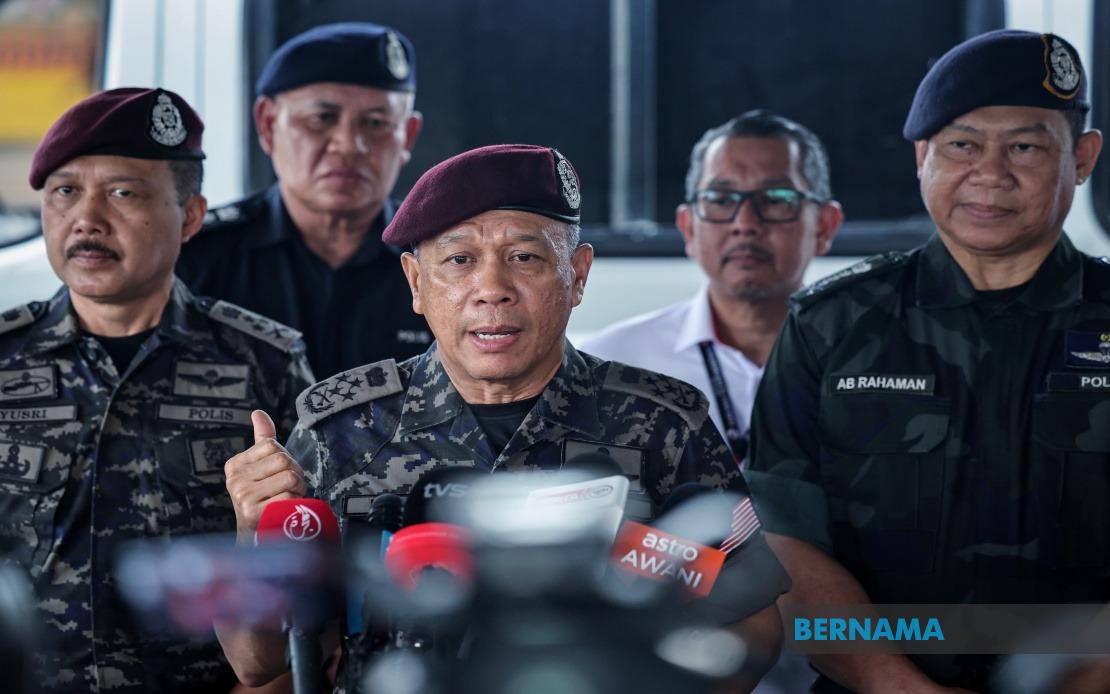
The 16th Johor State Election's two-week campaign period concluded without serious incidents, according to Inspector-General of Police Tan Sri Mohd Khalid Ismail, who reported that authorities had received 90 reports across the state but found no evidence implicating election candidates or senior political party figures in any misconduct.
During his visit to a polling centre at Sekolah Menengah Kebangsaan Taman Molek on polling day, Tan Sri Mohd Khalid outlined the nature of complaints logged by police across Johor's 56 state constituencies. The majority of these reports—centred on acts of mischief rather than serious electoral violations—predominantly concerned the unauthorised damage, removal, and burning of political party flags deployed during the campaign, a recurring issue in Malaysian electoral contests that typically generates community complaints.
Of the 90 reports received, police have initiated 25 formal investigation papers to pursue evidence collection and identify culprits through standard legal procedures. The IGP emphasised that these papers remain under active processing as officers work to establish responsibility for the reported incidents. This measured pace reflects the complexity of tracking perpetrators in flag-related cases, which often involve unidentified individuals acting without clear organisational sanction.
The absence of candidate or party leadership involvement in reported misconduct stands as a significant marker for electoral integrity at this stage. In previous state elections across Malaysia, allegations have sometimes surfaced regarding coordinated campaign violations or actions by senior figures. The current situation suggests that contesting parties in Johor maintained discipline within their campaign machinery, or alternatively, that any violations were isolated and did not reach the level of senior party direction.
On voting day itself, Tan Sri Mohd Khalid reported that the election process unfolded smoothly across the state. More than 2.7 million registered voters participated in the exercise, with no major incidents threatening public order or compromising the integrity of the ballot. This scale of voter participation underscores the significance of the Johor election as a major democratic exercise within Malaysia's electoral calendar.
To facilitate this orderly conduct, police deployed 14,000 officers and personnel across all 56 state constituencies, representing a substantial security presence designed to prevent disruption and respond swiftly to any emerging problems. Among these personnel, 5,600 were drawn from police contingents operating nationwide, seconded specifically to assist with election management duties. This coordinated deployment strategy reflects the police force's experience in managing large-scale electoral events and its capacity to mobilise resources across state boundaries.
The visibility of security personnel and their positioning at polling centres served both preventive and reassurance functions—discouraging would-be troublemakers while providing voters with confidence that the process would proceed without interference. The absence of reported incidents during voting hours suggests that this operational strategy achieved its intended effect.
Tan Sri Mohd Khalid also addressed the broader framework for electoral accountability by encouraging voters experiencing difficulties or witnessing irregularities to lodge formal complaints with police. This appeal underscores the interconnected role that multiple agencies—including the Election Commission, police, and other law enforcement bodies—play in safeguarding electoral standards. By channelling grievances through official reporting mechanisms, authorities can compile data on implementation gaps and respond with targeted interventions.
The involvement of additional officials during the voting process, including Datuk Seri Mohd Yusri Hassan Basri from the Internal Security and Public Order Department and Johor Police Chief Datuk Ab Rahaman Arsad, reflected a multi-level governance approach to election management. Such coordinated oversight helps ensure consistent standards across constituencies and enables senior officials to address emerging issues in real time.
For Malaysian and regional observers, the orderly execution of this major state election carries broader implications. Johor, as Malaysia's second-largest state by population and a significant economic hub, functions as a bellwether for electoral confidence. A campaign and voting day marked by relative calm and minimal serious violations reinforces public trust in the democratic process and suggests that electoral management frameworks continue to function effectively even as political competition intensifies.
The focus on flag-related mischief rather than more serious violations also reflects the maturity of electoral competition in Malaysia. While minor acts of vandalism remain inevitable in high-stakes political contests, the absence of strategic attempts at voter intimidation, systematic fraud allegations, or violence indicates that political actors are generally operating within acceptable boundaries of democratic conduct. This reality, however, does not eliminate the need for continued vigilance and the enforcement actions that police are pursuing through their 25 investigation papers.
Looking forward, the detailed compilation and resolution of these outstanding investigation papers will provide further insight into the nature and extent of campaign-period disruptions. The specific identification of responsible parties and any subsequent enforcement actions will help establish precedents for future elections and may deter similar conduct in upcoming electoral contests across Malaysia. The police force's methodical approach to processing these cases signals a commitment to following established legal procedures rather than employing selective or politically motivated enforcement.

