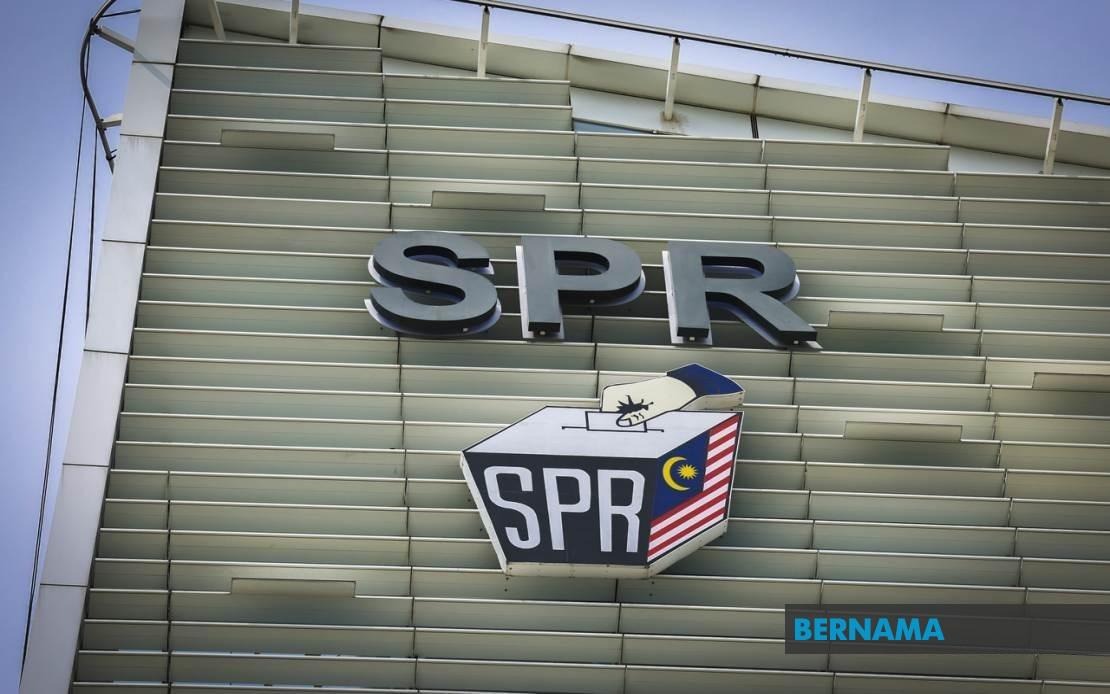
The Election Commission has documented 305 reports of campaign violations throughout the opening phase of the Johor state election cycle, marking a significant enforcement workload as political parties and candidates navigate strict regulations governing electoral conduct. The complaints filed through July 2 reveal a pattern of infractions that enforcement officials have characterised as requiring consistent monitoring and decisive action to maintain the integrity of the electoral process in Malaysia's southern state.
The majority of breaches involve campaign materials positioned in areas explicitly restricted by local authorities, accounting for 140 of the total complaints received. These violations reflect a persistent challenge for regulators in ensuring that candidates and their campaign machinery respect designated zones established to maintain order and prevent visual clutter in urban and rural areas alike. Such materials, ranging from posters and banners to digital displays, continue to appear in prohibited locations despite repeated warnings from the Election Commission and local government bodies.
A further 90 complaints centre on campaign materials that obstruct driver sightlines and create traffic hazards, pointing to potential public safety concerns that extend beyond mere aesthetic violations. Billboards, signs, and temporary structures placed without regard for road visibility standards place motorists at risk and undermine the commission's ability to conduct elections that balance candidates' rights to campaign with citizens' rights to safe passage. This category of offence demonstrates how electoral conduct directly intersects with everyday public safety and infrastructure management.
Twenty-seven additional cases involved campaign materials positioned within the 50-metre protective radius surrounding polling centres, a critical restriction designed to prevent voter intimidation and ensure the sanctity of the voting process itself. The existence of these complaints indicates that despite the high visibility of this rule, some candidates or their supporters have either misunderstood the regulations or deliberately tested enforcement boundaries. The remaining 48 complaints encompass miscellaneous offences that fall outside these three primary categories, suggesting the breadth of regulatory oversight required.
To address this enforcement burden, the Election Commission established 56 dedicated Campaign Enforcement Teams across Johor's 56 state constituencies, ensuring geographic coverage throughout the campaign period spanning from the June 27 nomination day through July 10. Each team operates under the mandate of the Election Offences Act 1954, providing the legal framework through which violations are documented, investigated, and remedied. The deployment of enforcement personnel at this scale demonstrates institutional commitment to policing electoral conduct but also highlights the perennial tension between candidates' campaign freedoms and regulatory constraints.
Coordination among multiple federal agencies amplifies enforcement capacity and diversifies the skill sets applied to campaign oversight. The Election Commission works in concert with the Royal Malaysia Police, whose resources enable investigation into potentially criminal conduct beyond mere administrative violations. The Malaysian Anti-Corruption Commission brings expertise in detecting financial irregularities and illicit funding flows, while the Malaysian Communications and Multimedia Commission monitors digital campaign content for compliance with online electoral standards. This inter-agency approach reflects international best practices in election administration and recognises that modern campaigns span physical and digital environments requiring specialist oversight.
The commission has publicly urged all participating candidates and parties to familiarise themselves with applicable laws, regulations, codes of ethics, and official directives, framing compliance as a collective responsibility. This appeal carries particular significance in Malaysian electoral politics, where state elections determine the composition of state legislatures and ultimately the formation of state governments. The Johor election specifically represents a significant political event, with 172 candidates competing for 56 state assembly seats, making the scale of campaign activity proportional to the stakes involved.
The timeline established by the Election Commission—with early voting scheduled for July 7 and general polling on July 11—creates a compressed enforcement window in which remedial action must occur before voters cast ballots. Any violations remaining uncorrected by polling day cannot be undone retroactively, placing pressure on enforcement teams to act swiftly once complaints are verified. This temporal constraint shapes enforcement strategy and explains the emphasis on rapid response to reported breaches.
The scale of documented violations raises questions about whether current regulatory frameworks adequately deter misconduct or whether campaign actors view the penalties for infractions as acceptable costs of conducting high-visibility campaigns. Repeat violations within the Johor election or across multiple complaint categories might suggest that some actors have calculated that the risk-benefit analysis favours aggressive campaign tactics despite regulatory prohibitions. Alternatively, the volume might reflect heightened public awareness and reporting rather than deteriorating compliance standards.
For Malaysian voters in Johor and observers across Southeast Asia, the Election Commission's enforcement activity provides assurance that electoral conduct remains subject to institutional scrutiny and legal consequence. However, the 305 complaints also demonstrate that even well-resourced and active election management bodies face constant pressure to enforce regulations against well-motivated actors operating across geographically dispersed areas. The outcome of this enforcement effort will influence not only the conduct of the Johor election itself but also set precedents for how electoral laws are applied in future Malaysian state and federal elections.
The commission's stated commitment to conducting an efficient, fair, transparent and credible election extends explicitly to the campaign period preceding voting, recognising that public confidence in electoral outcomes depends partly on confidence in how campaigns are managed. The comprehensive reporting of complaint numbers and enforcement actions reflects institutional transparency and provides accountability to political stakeholders and the broader public. As the Johor election proceeds through its final campaign phase, the visible presence of enforcement teams and the documented consequences of violations serve as ongoing reminders that electoral regulations carry real operational weight in Malaysian politics.

