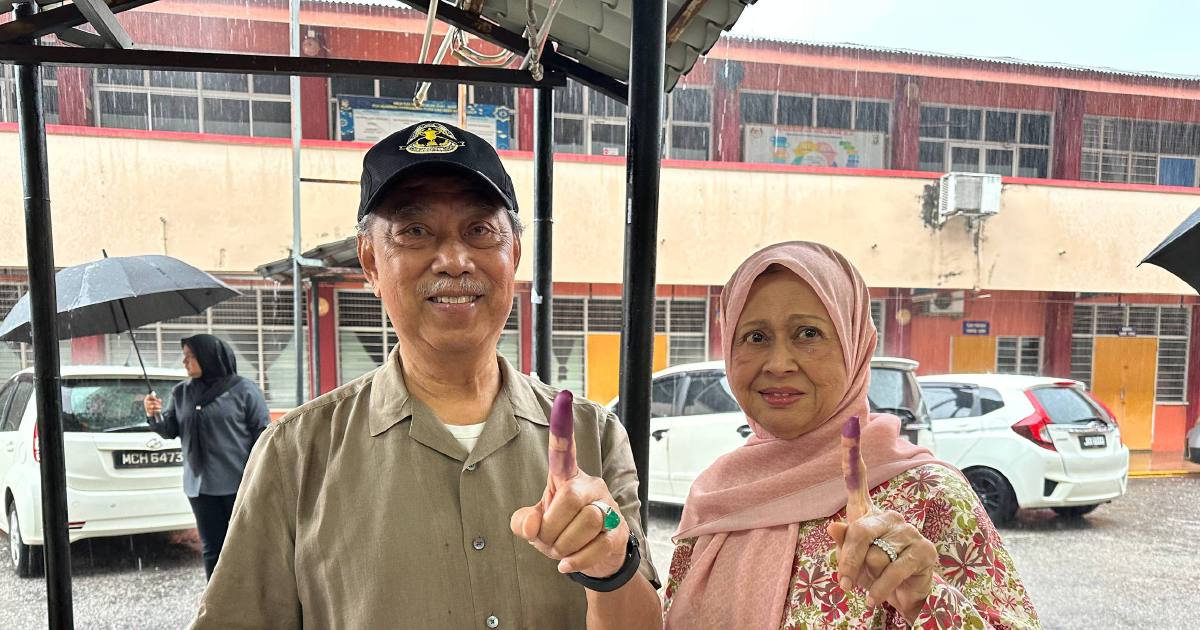
Johor's state election unfolded amid weather challenges as Bersatu signalled optimism about achieving stronger-than-expected voter engagement on polling day. The party's leadership, led by Muhyiddin Yassin, articulated hopes that participation would exceed the 70 per cent threshold, a benchmark they viewed as significant for validating the democratic exercise.
Heavy rainfall struck multiple districts across Johor during the morning hours, presenting a tangible obstacle to voting activity. Such weather patterns typically dampen turnout by discouraging voters from travelling to polling stations, particularly among elderly citizens and those in rural areas where transportation infrastructure remains less developed. The downpours created logistical hurdles that election officials and voters alike needed to navigate, yet Bersatu's expressed confidence suggested the party believed underlying voter enthusiasm would overcome meteorological headwinds.
The 70 per cent target carries symbolic weight in Malaysian electoral politics. Turnout figures above this level are generally interpreted as reflecting strong democratic participation and voter confidence in the electoral process, whereas lower figures invite questions about public engagement and legitimacy. For Bersatu, securing such a result would have strengthened their narrative about public support, particularly significant given the party's role in Malaysia's shifting political landscape over recent years.
Weather-related disruptions to polling exercises have become increasingly common across Southeast Asia, with climate variability posing new challenges to election administration. Malaysia has historically experienced such complications during monsoon seasons, and election commissions have developed contingency protocols to maintain voting access despite adverse conditions. However, these measures cannot entirely offset the human reluctance to venture outdoors during heavy rain, creating a genuine tension between the ideal of universal participation and the practical realities of conducting elections in tropical climates.
Muhyiddin's public articulation of turnout expectations reflected a broader political strategy. By setting the frame around voter participation rather than focusing solely on projected seat outcomes or party performance, Bersatu attempted to establish a narrative about democratic engagement that transcended immediate competitive calculations. This rhetorical positioning could prove valuable irrespective of how voting distribution ultimately played out across constituencies.
The Johor election held particular significance within Malaysia's federal system and intra-coalition dynamics. State-level contests frequently serve as bellwethers for broader political sentiment, and electoral performance can reshape internal power balances within government coalitions. Turnout levels become part of how observers assess not just immediate results but also the health of political participation at the grassroots level.
Election officials had prepared strategies to facilitate voting despite adverse weather, including provisions for voters unable to reach polling stations due to flooding or transportation disruption. The actual implementation of these measures would have tested electoral commission resources and worker commitment across Johor's various administrative divisions.
Regional comparisons provide context for understanding Malaysian electoral participation rates. Johor's performance would have been benchmarked against previous state elections, by-elections, and federal parliamentary contests, with analysts examining whether the 70 per cent target represented realistic extrapolation from historical trends or optimistic projection. Such data inform ongoing discussions about electoral system effectiveness and public engagement with democratic processes across Southeast Asia.
Beyond immediate polling day considerations, the election's turnout figures would carry implications for understanding voter sentiment during what proved to be a volatile period in Malaysian politics. Participation levels signal whether voters perceive electoral contests as meaningful choice opportunities or whether disengagement reflects deeper systemic concerns. This distinction matters for policymakers assessing long-term democratic health.
Muhyiddin's confidence, despite visible weather obstacles, suggested that Bersatu possessed internal polling data or organisational feedback indicating genuine momentum. The party's ground operations, encompassing volunteer mobilisation and voter outreach, would have been critical factors in converting public sympathy or support into actual polling day participation.
The interplay between environmental challenges and electoral administration illustrates broader questions about conducting democratic exercises in increasingly unpredictable climate conditions. Malaysia's election commission faces recurring challenges in ensuring that natural phenomena do not systematically disadvantage particular voter groups, requiring continuous refinement of protocols and resource allocation.
Ultimately, whether Johor's turnout exceeded the 70 per cent threshold would depend on the aggregate decisions of hundreds of thousands of individual voters, each weighing their commitment to participating against practical obstacles of weather, distance, and competing demands on their time. Bersatu's stated confidence reflected their calculation that sufficient voters would prioritise political participation despite the rain.

