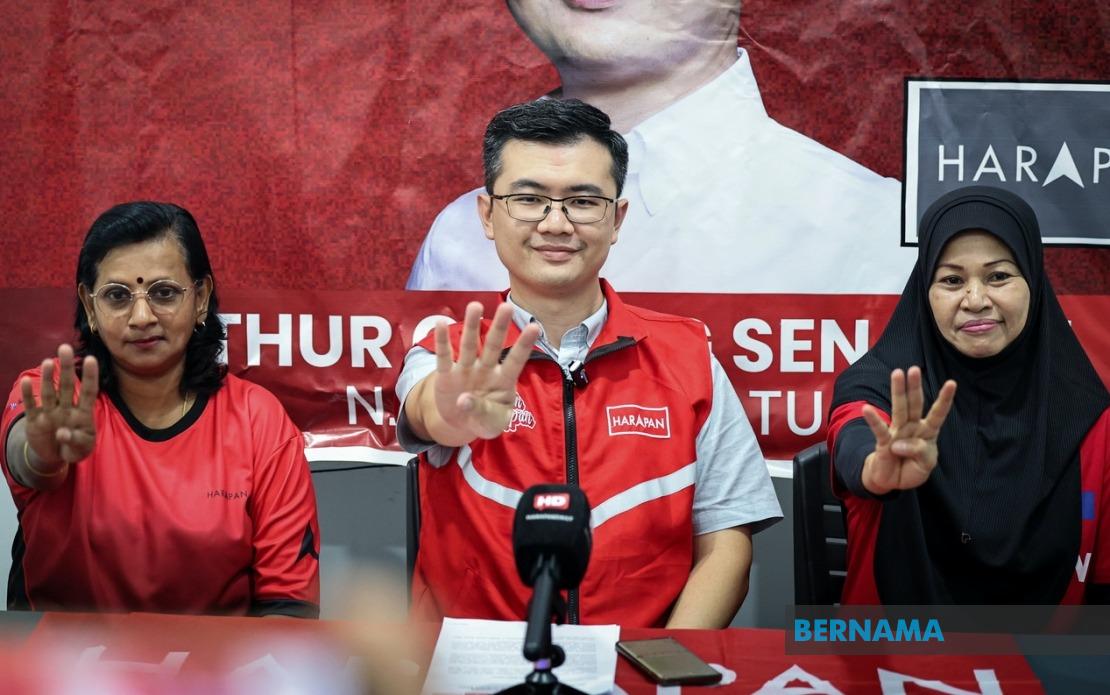
Arthur Chiong Sen Sern, the incumbent Bukit Batu state assemblyman representing Pakatan Harapan, is pulling out all the stops to boost voter participation ahead of the Johor state election scheduled for July 11. Speaking at his Main Operations Room in Kulai, Chiong expressed confidence that a turnout exceeding 60 per cent would significantly enhance his prospects of retaining the constituency. His focus on this metric is particularly strategic given his razor-thin majority of just 137 votes during the 2022 state elections—a margin that underscores how vulnerable his position remains and why mobilising supporters has become his paramount concern.
The 60 per cent threshold holds symbolic importance in Malaysian electoral dynamics. Previous Johor elections in 2022 registered a turnout of approximately 54.9 per cent, suggesting that Chiong's target would represent a meaningful increase in voter engagement. In competitive constituencies where margins are narrow, turnout variations can prove decisive. Higher participation typically benefits candidates perceived as representing continuity and establishment politics, though this assumption does not always hold. Chiong is banking on the belief that voters who have benefited from his tenure will show up if given adequate motivation and accessibility.
Chiong's campaign machinery has intensified ground operations across the Bukit Batu division in recent days. According to his statements, the engagement with voters has generated encouraging feedback across different ethnic communities within the constituency. This multi-racial response is crucial in Malaysian electoral politics, where coalition governments depend on maintaining support among diverse voter bases. The assemblyman emphasised that his team has detected positive sentiment from residents of various backgrounds, though whether this translates into actual votes on July 11 remains to be seen. Campaign trail observations often diverge from actual electoral outcomes, a reality that explains Chiong's continued urgency in mobilising every potential supporter.
Chiong also lauded what he termed a culture of "mature politics" among candidates contesting in Bukit Batu, noting that rivals have conducted themselves respectfully despite the competitive nature of elections. He pointed to instances where opposing candidates have wished each other well during campaign encounters, suggesting a departure from more contentious electoral practices. This observation reflects broader aspirations within Malaysian politics for campaigns conducted on substantive grounds rather than personal attacks or inflammatory rhetoric. However, such statements from politicians often carry a performative element, particularly when an incumbent is projecting confidence and control over the electoral narrative.
To solidify voter support, Chiong unveiled seven development priorities aimed at demonstrating his commitment to constituency improvement. These initiatives encompass establishing a data centre industry career bridge program, expanding the FT001 road network, implementing smart traffic light systems to address congestion, upgrading existing health clinics, launching youth anti-vape and drug abuse programmes, developing tourism infrastructure, and expanding educational facilities with free Malay and History tuition classes. The breadth of these pledges reflects an attempt to appeal across generational and sectoral divides—from young people concerned about substance abuse to parents wanting improved schools and workers seeking better transportation.
Chiong positioned these commitments not as empty campaign promises but as extensions of work he claims to have already undertaken during his first term. This argument—that he represents continuity and proven execution rather than untested alternatives—forms the core of his re-election strategy. In Malaysian electoral contests, incumbents often leverage administrative achievements and ongoing projects as evidence of competence, attempting to distinguish themselves from opposition challengers who lack comparable track records. Whether voters perceive his efforts as genuinely transformative or merely incremental will significantly influence their voting behaviour.
The assemblyman expressed confidence in voter wisdom and their right to determine representation, a rhetoric that acknowledges popular sovereignty whilst simultaneously projecting faith in his own candidacy. This framing allows Chiong to appear respectful of democratic principles whilst maintaining that voters will ultimately choose to retain him. Such language serves both domestic political purposes and international democratic norms, particularly important in Malaysia where electoral legitimacy depends partly on perceptions of fairness and popular consent.
Chiong's emphasis on sustainable development requiring "experienced leadership, good relations with the government and continuous commitment" reveals his strategic positioning. By highlighting his connections with the state government—an important consideration in a federalised system where access to development funds and patronage networks matters considerably—he underscores an advantage that opposition candidates typically cannot match. This approach acknowledges that in Malaysian politics, electoral success often correlates with a representative's ability to channel resources to constituents, not merely policy expertise or rhetorical skill.
The timeline pressure on Chiong's campaign is evident, with polling day just days away and early voting scheduled for July 7. This compressed schedule means his turnout mobilisation efforts must intensify rapidly. The distinction between early voters and those casting ballots on election day itself matters tactically; early voters tend to skew toward more organised, politically engaged segments of the population, potentially favouring incumbents with better administrative machinery. Chiong's machinery appears geared toward maximising participation across both periods.
Bukit Batu's competitiveness within the broader Johor electoral landscape places this particular contest under scrutiny. The Johor elections themselves serve as a significant barometer of coalition performance, with implications extending beyond the state to national political dynamics. A successful retention of Bukit Batu by Pakatan Harapan would provide momentum for the coalition, whilst a loss would signal vulnerability in constituencies previously considered secure. For Malaysian political observers, individual assembly contests rarely exist in isolation—they reflect and influence broader power alignments at state and federal levels.
Chiong's strategy ultimately hinges on two interconnected variables: achieving voter turnout above 60 per cent and ensuring that high participation favours his candidacy specifically. The former is within reach of campaign organisation; the latter depends on whether his development agenda resonates more strongly than alternatives offered by opposing candidates. As voting day approaches, the real test will come from polling booths rather than press conference declarations, with the actual expressed preferences of Bukit Batu voters determining whether Chiong's confidence proves justified or whether his 2022 majority, despite its slenderness, represented a peak rather than a foundation for continued political power.

