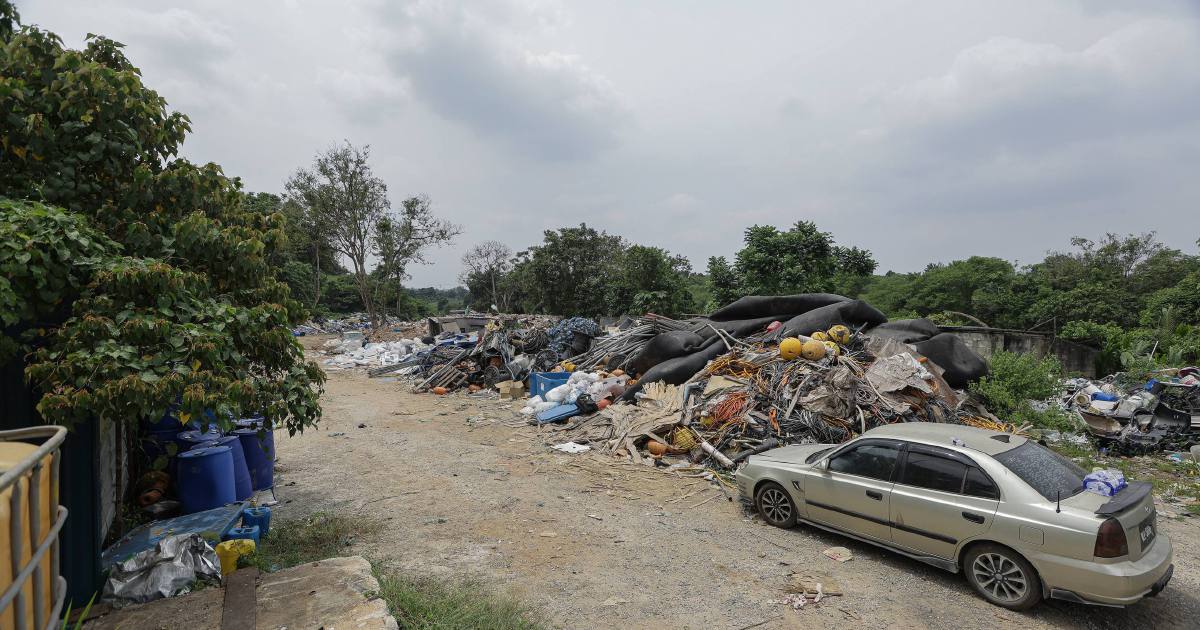
Authorities in Johor are mobilizing a coordinated investigative effort to examine persistent allegations that construction debris and other waste materials have been deposited illegally across Pontian, with Singapore identified as the suspected source. The state government's decision to establish a multi-agency task force represents a significant escalation in efforts to address what local officials characterize as a serious transboundary environmental and public health concern.
The formation of this specialized investigative unit brings together representatives from multiple government departments and enforcement agencies, each contributing expertise relevant to waste management, environmental protection, and cross-border coordination. This inter-agency approach acknowledges the complexity of investigating allegations that potentially involve violations of Malaysian environmental regulations, improper international waste transfers, and land use violations affecting Pontian residents.
Pontian, situated at Malaysia's southwestern tip adjacent to Singapore, has become the focal point of investigations after residents and local authorities reported discovering significant quantities of construction materials at various undisclosed locations within the district. The geographical proximity between Pontian and Singapore's construction industry makes the district particularly vulnerable to such illicit dumping, given the cost differentials in waste disposal between the two countries and the relative ease of cross-border transportation.
The allegations underscore broader concerns about waste management practices in the region. Singapore's ongoing construction boom, driven by urban development and infrastructure projects, generates substantial quantities of waste materials. While Singapore maintains strict domestic environmental standards and waste segregation protocols, the disposal of such waste at lower costs across the border has become an environmental and regulatory concern for Malaysian authorities along the causeway.
Investigations of this nature require careful coordination between Malaysian federal and state environmental agencies, as well as local authorities responsible for land use and municipal enforcement. The task force will likely examine documentation trails, transport records, and conduct site inspections to identify where waste originated, how it was transported, and who authorized its disposal. Such investigations can be technically demanding and require specialized knowledge of waste classification, construction material identification, and logistics.
The environmental implications extend beyond simple littering concerns. Construction waste often contains hazardous materials including asbestos, lead-based paints, chemical residues, and contaminated soil that can leach into groundwater and soil ecosystems. Pontian's proximity to agricultural areas and fishing communities means that environmental contamination could have cascading effects on farming and aquaculture operations, potentially affecting livelihoods and food security in the region.
From a regulatory perspective, this investigation will test Malaysia's capacity to enforce environmental laws against unauthorized waste imports and transboundary waste trafficking. International conventions, including Basel Convention protocols addressing hazardous waste transfers, technically restrict such movements, but enforcement at border areas remains challenging when waste materials enter through informal channels rather than official ports of entry.
The task force's effectiveness will largely depend on its access to investigative powers, resources for site inspections and forensic analysis, and ability to coordinate with Singapore authorities on information sharing and cooperative enforcement. Establishing clear proof of origin and intent to illegally dump will be crucial for supporting any subsequent enforcement action or diplomatic representations regarding transboundary environmental violations.
For Malaysian residents in Pontian, this investigation responds to mounting frustration about environmental degradation and the perception that Malaysian territory is being utilized as a disposal ground for regional industrial waste. Public confidence in authorities' capacity to protect local environments and prevent similar incidents will likely hinge on the transparency and comprehensiveness of findings, as well as concrete enforcement outcomes.
The formation of this task force also carries implications for Malaysia-Singapore bilateral relations. While waste management falls under domestic regulatory authority, allegations of deliberate dumping can trigger diplomatic sensitivities. How Malaysia handles the investigation, communicates findings, and pursues remedies will influence ongoing relations on environmental and public health matters that affect both countries.
Beyond Pontian's immediate situation, this investigation highlights systemic vulnerabilities in Southeast Asian waste management infrastructure. Rapid industrialization and construction activity across the region have created growing volumes of construction waste, while inadequate domestic disposal capacity and enforcement gaps in certain jurisdictions create incentives for illegal transboundary movements. Countries like Malaysia must balance environmental protection with practical challenges of monitoring vast border areas and managing formal waste flows.
The investigation's outcome may influence future policy discussions regarding waste management cooperation, technology transfer, and harmonized regional standards for construction material handling. Enhanced enforcement capabilities, improved information sharing between countries, and investment in domestic waste processing infrastructure could collectively reduce the likelihood and feasibility of future illicit dumping incidents in Pontian and similar border communities throughout Southeast Asia.

