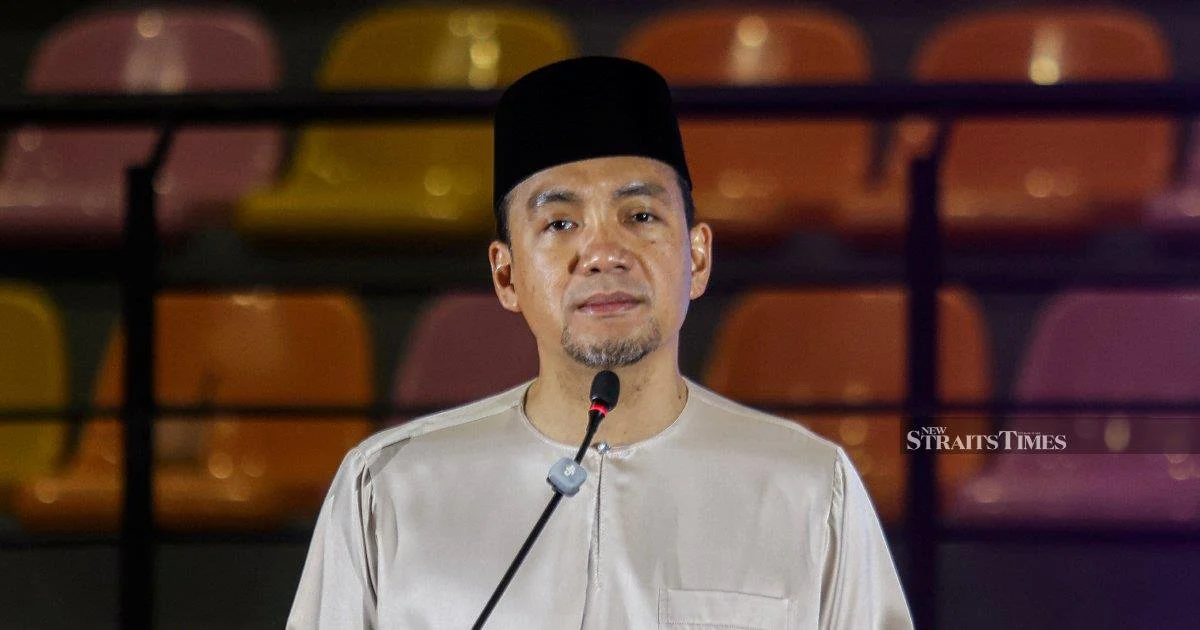
The Johor state government has initiated a formal inquiry into Network School after allegations surfaced regarding connections to Israeli interests, with the Chief Minister signalling zero tolerance for any organisations that operate counter to the state's legal and constitutional framework. The move reflects mounting vigilance across Malaysian state administrations over foreign institutional activities within their territories, particularly those perceived as ideologically misaligned with national values and interests.
The decision to probe Network School comes as part of a broader regulatory examination that underscores Johor's commitment to safeguarding state autonomy and ensuring that educational and civil institutions operating within its borders comply with Malaysian law. Officials have made clear that any organisation, regardless of size or perceived legitimacy, faces scrutiny if their operations or affiliations raise questions about their compatibility with Malaysian constitutional principles and sovereignty.
Educational institutions in Malaysia operate under multiple layers of oversight, including state-level licensing, federal education ministry approval, and increasingly, scrutiny related to funding sources and international affiliations. The Johor government's action signals that state authorities are actively monitoring institutional networks and their global connections, particularly where there are questions about ideological alignment or external influence that might conflict with Malaysian interests.
The timing of this investigation reflects a regional pattern in which Southeast Asian governments, Malaysia included, have become more attentive to the political dimensions of institutional operations. Schools, universities, and cultural organisations increasingly face questions about their funding sources and international partnerships, especially when those connections relate to countries or territories where Malaysia maintains defined diplomatic positions.
Network School's presence in Johor and its educational approach have apparently attracted official attention, prompting the state government to examine whether the institution's operations, curricula, or international relationships pose any complications for state interests. The investigation will likely assess the school's governance structure, funding mechanisms, and any formal or informal connections to foreign educational networks or organisations.
This action also demonstrates how Malaysian state governments exercise their constitutionally defined authority over matters affecting state administration, security, and public order. While the federal government holds primary responsibility for foreign policy and national defence, state administrations maintain legitimate concerns about institutional activities within their jurisdictions that could influence public opinion or educational outcomes in ways contrary to state policy.
For international schools and educational institutions operating in Malaysia, the Johor case serves as a reminder that they must navigate a complex regulatory environment in which state governments increasingly scrutinise institutional funding, governance, and international affiliations. Educational institutions that operate transparently, maintain clear separation from geopolitical controversies, and demonstrate genuine alignment with Malaysian constitutional values generally face fewer obstacles.
The investigation also reflects Malaysia's longstanding foreign policy position regarding the Middle East. Malaysia has consistently supported Palestinian causes and maintains critical perspectives on Israeli policies, making any institutional connections to Israeli entities potentially problematic from a governmental perspective. Educational organisations operating in Malaysia must be particularly sensitive to these geopolitical dimensions when establishing international partnerships or funding relationships.
Network School's situation will likely influence how other international and foreign-affiliated educational institutions in Johor and elsewhere in Malaysia approach their institutional governance and external relationships. Schools and educational organisations will need to ensure their international networks, funding sources, and curriculum approaches are transparent and clearly aligned with Malaysian constitutional principles and stated national interests.
The Chief Minister's statement regarding ideological alignment indicates that state authorities will examine not merely formal institutional structures but also the substantive content and orientation of educational activities. This suggests future investigations may extend beyond simple questions of Israeli funding or affiliation to encompass broader questions about whether an institution's educational philosophy or approach aligns with Malaysian values.
For Malaysian parents and educators, the investigation raises important questions about institutional oversight and transparency in the educational sector. While concerns about institutional integrity and alignment with national values are legitimate, the process must also ensure that investigations remain proportionate, evidence-based, and protect the legitimate rights of institutions and individuals to operate transparently within the law.
The Johor government's action will likely prompt similar examinations in other states, as state administrations seek to ensure institutional oversight is exercised consistently across the country. This could lead to more formalised frameworks for reviewing international educational institutions and assessing their compatibility with state and national interests, potentially affecting how global educational networks operate within Malaysia.

