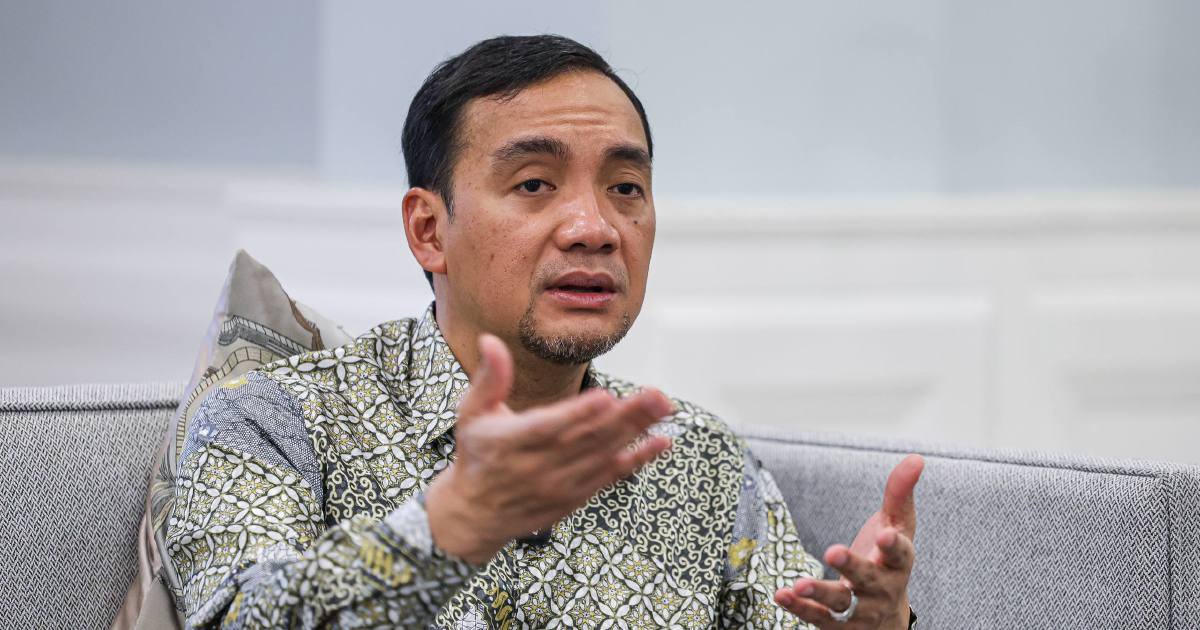
The palace authorities of Johor have issued a forceful call for restraint and respectful conduct among political candidates and their supporters as the state heads toward elections. According to Datuk Onn Hafiz Ghazi, chairman of Johor Barisan Nasional, both Sultan Ibrahim and Tunku Mahkota Ismail have expressed concern about the tone of political discourse, specifically flagging the risk of personal attacks and behaviour that falls short of acceptable standards for public servants and their campaigns.
The intervention from Johor's royal establishment reflects a broader tension within Malaysian politics where campaign seasons have increasingly been marked by inflammatory rhetoric and character assassination. By positioning the palace as an arbiter of standards, the Sultan and Regent are signalling that state leadership expects politicians to rise above partisan rancour and remember that they are ultimately serving the public interest rather than pursuing narrow factional advantages. This royal guidance carries significant weight in Malaysian political culture, where the institution of the monarchy continues to command substantial respect and whose counsel is typically heeded by mainstream political actors.
The timing of this admonishment is strategically important. Johor, one of Malaysia's largest and most influential states, has historically been a political battleground where major coalition shifts have occurred. The state's electoral dynamics directly shape national political calculations, and campaign conduct there often sets the tone for how political competition unfolds across the country. A deterioration in campaign civility in Johor could potentially cascade into other state and federal contests, making royal intervention at this juncture particularly consequential for maintaining institutional norms.
For Barisan Nasional, which has traditionally enjoyed strong support in Johor and maintains a significant foothold there despite national electoral setbacks, the palace guidance presents both opportunity and constraint. The ruling coalition can leverage royal endorsement of civility norms to position itself as the defender of institutional stability and decorum, contrasting its approach with opposition parties that might be perceived as more combative. Simultaneously, the message implicitly applies equally to all political actors, preventing BN from claiming special status or using the palace statement as a partisan weapon without risking royal displeasure.
The emphasis on civility also addresses a genuine governance concern. When election campaigns devolve into personal vendettas and attacks on candidates' character rather than engagement with policy substance, voters become discouraged and democratic participation suffers. Malaysian electorates have demonstrated in recent years that they are capable of delivering electoral shocks when dissatisfied, but sustained engagement requires faith that political competition serves principled purposes rather than mere ego gratification or factional struggle. By framing civility as a matter of institutional duty rather than mere etiquette, the palace is encouraging politicians to remember their responsibility to maintain public confidence in democratic structures themselves.
The intervention also reflects sensitivity within royal circles to how Malaysian politics is perceived internationally and regionally. As Southeast Asia's democracies navigate complicated transitions and face challenges to institutional legitimacy from various quarters, Malaysia's ability to conduct competitive elections with decorum and respect for institutions is valuable diplomatic capital. When campaigns become dominated by personal attacks, foreign observers and regional partners may question the maturity and stability of Malaysian democratic processes, potentially affecting international relations and economic confidence.
For ordinary voters in Johor, this palace guidance effectively provides sanction to hold all candidates and parties accountable to higher standards. Citizens can now invoke the Sultan and Regent's authority when demanding that politicians focus on issues rather than personalities, and can more confidently reject campaigns built primarily on attacking opponents' integrity. This empowers voters to be more selective consumers of political messaging and to reward candidates who respect these norms while punishing those who flout them.
The statement from Onn Hafiz also hints at concerns within BN's own ranks about how some affiliated politicians might conduct themselves during the campaign. By highlighting the palace's expectations, the BN chairman indirectly signals to party members that there are consequences for undisciplined conduct that might embarrass the coalition or alienate moderate voters who value institutional respect and civility. This suggests internal party management challenges that the leadership recognises must be addressed through external reinforcement of standards.
Looking forward, the effectiveness of this royal intervention will depend on whether political actors genuinely internalise the message or treat it as performative acknowledgement while reverting to negative campaigning once media attention shifts elsewhere. Historical precedent in Malaysian politics shows that royal guidance is generally respected by mainstream parties at least at the surface level, though implementation remains uneven. The true test will come as campaign intensity increases and electoral stakes sharpen, when the temptation to resort to personal attacks and uncivil rhetoric becomes greatest.
The palace's willingness to intervene also underscores the delicate constitutional position the monarchy occupies in Malaysian politics. While the Sultan and Regent are not supposed to become directly involved in electoral competition, their role as guardians of institutional values and national interests permits them to comment on the standards and conduct by which political actors engage. This balance between maintaining institutional neutrality while upholding norms of governance is crucial to preserving the monarchy's credibility and relevance as a stabilising force in Malaysian democracy.