The Johor police force has given the green light to over 92 per cent of campaign permit applications submitted for the 16th Johor state election, reflecting a smoothly coordinated election calendar despite the inevitable tensions that accompany competitive political activity. Between June 27 and July 8, state police processed 4,053 approvals from the 4,368 applications lodged by political parties and candidates seeking authorisation to conduct public rallies, speeches, and campaign events. The high approval rate suggests that most organisers complied with procedural requirements and that the force faced few grounds to reject activities on security or public order concerns.
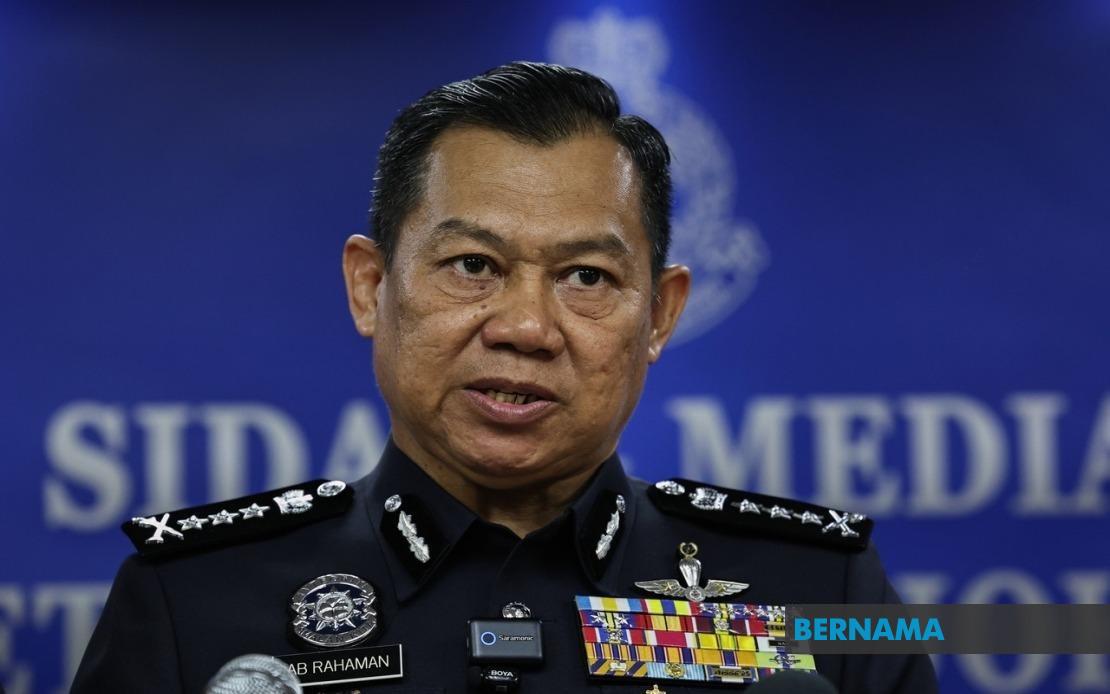
The final burst of applications came in the two days preceding the poll itself, when police received 884 permit requests—the busiest period of the entire campaign window. Of these late submissions, 838 gained approval, indicating that even under time pressure, the police machinery maintained its efficiency in vetting and authorising campaign activities. This concentrated surge at the tail end reflects the election schedule's compressed nature and the urgency candidates and parties feel to maximise visibility in the campaign's closing hours. Johor police chief Datuk Ab Rahaman Arsad characterised the overall election environment as secure and orderly, emphasising that his force had monitored all political activities to verify compliance with election law and safeguard public safety.
While the approval numbers paint a picture of administrative efficacy, the investigation data reveals friction points within the electoral process. Police received 17 reports during July 7 and 8 alone, leading to four investigation papers being opened into alleged election breaches. Across the entire June 27 to July 8 window, the cumulative toll stood at 73 reports and 22 investigation files, suggesting that despite broad compliance, individual candidates and supporters occasionally overstepped legal boundaries. The diversity of charges filed underscores the breadth of electoral regulations Johor authorities monitor, from inflammatory speech that promotes hostility to digital misconduct and property damage.
One investigation pertained to alleged promotion of ill will or hostility under Section 4A(1) of the Election Offences Act 1954, a provision designed to prevent inflammatory rhetoric that could poison community relations along religious, ethnic, or ideological lines. Given Malaysia's multicultural fabric and historical sensitivities around communal harmony, police enforcement of this provision carries particular weight. A second file addressed allegations of defamation and improper use of network facilities under Section 500 of the Penal Code and Section 233 of the Communications and Multimedia Act 1998, reflecting the modern reality that electoral campaigns now operate across social media platforms where misinformation and personal attacks spread rapidly and widely.
Two additional investigation papers targeted alleged property damage committed through Section 427 of the Penal Code, suggesting that some supporters engaged in vandalism or destruction of campaign materials or public property during the campaign period. Such incidents, while not necessarily coordinated by candidates themselves, still require police investigation to establish accountability and deter escalation. The variety of violations speaks to the challenge of managing large-scale political competition in an environment where passion runs high and not all participants respect regulatory guardrails.
For Malaysian and regional observers, the Johor police performance offers several insights into how Southeast Asian democracies balance electoral freedom with public order maintenance. The high approval rate demonstrates that authorities are not unduly restricting political expression, a marker that democratic norms are being respected. Simultaneously, the investigation figures show that police are not abdicating their regulatory role or permitting lawlessness. This middle path—permissive but vigilant—reflects a maturing electoral culture where space for political competition coexists with enforcement against genuine misconduct.
The emphasis on monitoring for compliance rather than blanket restrictions also reflects best practices in election administration. Rather than pre-emptively blocking activities, authorities examined applications against established criteria and granted permission unless clear grounds for refusal existed. The police statement's invocation of fairness, integrity, and firmness suggests an institutional commitment to neutral enforcement. For a state election that carries implications for the broader peninsular political landscape, such procedural credibility matters significantly in building public confidence that outcomes reflect genuine voter preference rather than administrative manipulation.
The timing of violations and permit rejections warrants closer examination. The relatively modest number of rejections—approximately 315 of 4,368 applications—indicates that most organisers anticipated legal requirements and framed activities accordingly. The spike in reports during the final two days before polling suggests heightened tensions and perhaps desperation among some candidates to maximise last-minute campaign impact. That police maintained capacity to investigate and file charges even during this hectic period demonstrates operational preparedness.
Looking forward, the Johor experience provides a template for managing future state elections across Malaysia. The detailed categorisation of violations and transparent reporting by police leadership enables other state authorities and the Election Commission to understand which regulatory gaps might require attention. The communications and multimedia offences, in particular, reflect an evolving frontier where established election law meets digital-age realities. As Malaysian politics increasingly plays out on Facebook, TikTok, and WhatsApp, regulators must continuously adapt frameworks to address novel forms of misconduct while preserving legitimate political speech.
The statement from the Johor police chief that violations would be handled with "firmness, fairness and integrity, without compromise" signals an institutional mindset that election integrity depends upon consistent, even-handed enforcement. In a federation where political competition can sometimes acquire communal dimensions, such assurances carry weight beyond the immediate election cycle. They help establish precedent and institutional culture that future electoral contests can build upon. The 16th Johor state election, by this measure, appears to have proceeded within an environment where police professionalism and democratic norms reinforced rather than undermined one another.

