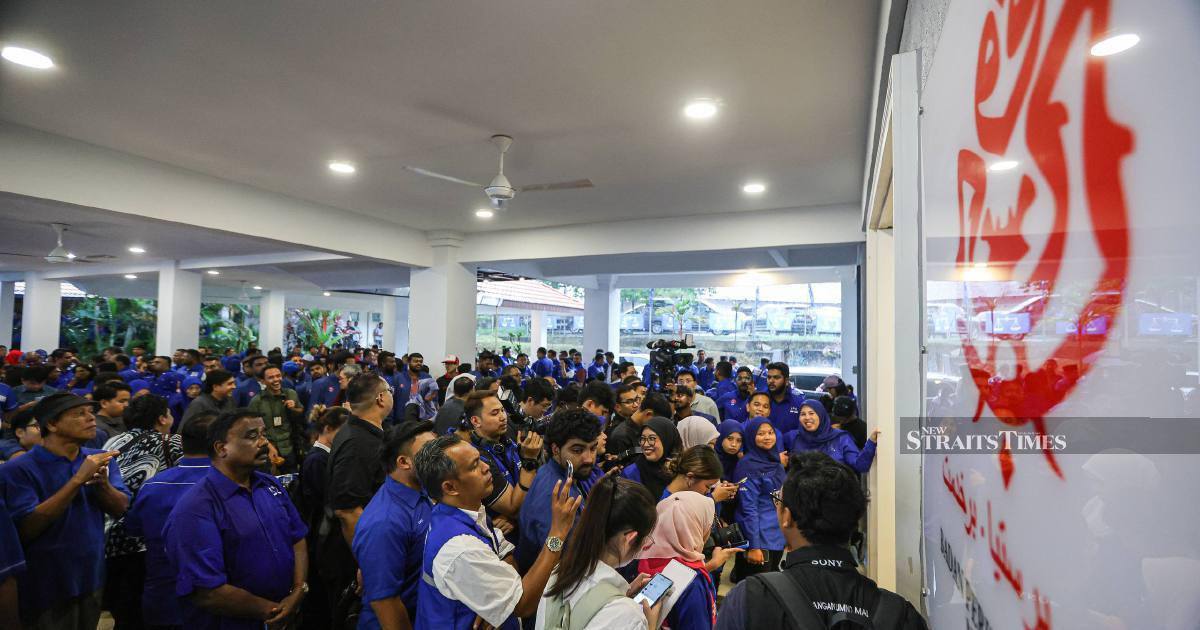
The Johor Umno headquarters in Johor Baru has become the epicentre of political activity as Barisan Nasional mobilizes for the forthcoming 16th state election. The gathering of senior party figures, grassroots members and enthusiastic supporters signals the transition from preparation to active campaigning, marking a pivotal moment in the coalition's bid to retain control of Malaysia's second-largest state by population.
The candidate announcement event represents more than a procedural formality—it is the official commencement of a high-stakes electoral battle that will test BN's political machinery in one of the nation's most strategically important states. Johor has traditionally been a BN stronghold, and maintaining this foundation is considered essential for the coalition's broader political ambitions at the national level. The energy evident at the headquarters reflects the significance party strategists attach to the outcome.
Candidate selection in any Malaysian election carries substantial weight, as the individuals chosen become the public face of their parties in each constituency. Their backgrounds, credibility within local communities, and ability to mobilize support can determine whether BN holds or loses ground. The announcement will reveal the coalition's assessment of which personalities and political operatives possess the strongest capacity to win in an increasingly competitive electoral environment where opposition parties have demonstrated growing organizational capability.
Johor's political landscape has shifted notably over the past decade. While BN retains a structural advantage through incumbency and established administrative machinery, opposition coalitions have made incremental gains in urban areas and among younger voters. The composition of BN's candidate slate will indicate how seriously the coalition is taking these challenges and whether it has learned from previous electoral setbacks elsewhere in the country.
The gathering also reflects the internal dynamics within Barisan Nasional, which comprises multiple component parties beyond Umno. The distribution of contested seats among coalition members, and the perceived fairness of that allocation, influences party unity and member morale. Candidates announced today will carry not only personal aspirations but also the expectations of party hierarchies and factional interests within BN's complex organizational structure.
From a regional perspective, Johor's election holds implications extending beyond state boundaries. The state serves as an economic gateway between Malaysia and Singapore, with significant business interests, a diverse population including substantial communities of migrant workers, and strategic infrastructure. Election outcomes here influence investor confidence and the state government's capacity to manage critical economic and social issues including border region management, transportation, and industrial development.
The timing of the candidate announcement also matters. It establishes the official campaign period and focuses media attention on BN's strategy, forcing opposition parties to respond and accelerate their own preparations. The coordination required to announce 56 state assembly candidates simultaneously—ensuring they receive adequate publicity, explaining selections to disappointed aspirants, and deploying them effectively across constituencies—demonstrates the organizational complexity of modern electoral politics in Malaysia.
For BN supporters gathered at the headquarters, the announcement ceremony provides opportunity to demonstrate party solidarity and generate grassroots enthusiasm. These gatherings serve important functions in political organization: they energize volunteer networks, provide platforms for local leaders to address concerns, and create visible momentum that extends beyond the immediate venue through media coverage and social media amplification.
The candidate slate will likely generate considerable analysis regarding demographic representation, factional balance within component parties, and the coalition's apparent priorities in different regions. Observers will scrutinize whether particular areas receive candidates perceived as strong vote-winners or whether some constituencies appear to have received less competitive selections, which might suggest strategic decisions about resource allocation or acknowledgment of difficult terrain.
As Malaysia's political system has become increasingly competitive, even traditionally dominant coalitions cannot assume automatic victory in state elections. Johor's 16th election will test whether BN can maintain its historical dominance while responding to demographic shifts, evolving voter preferences, and more sophisticated opposition organizing. The candidate announcement marks the formal beginning of this test.
The excitement perceptible at party headquarters reflects stakes that extend beyond individual ambitions or single-state politics. Johor remains significant to BN's national narrative, and performance here contributes to the broader political momentum heading toward potential federal-level contests. How effectively the announced candidates can connect with voters and mobilize support will substantially influence the state's political direction for the next term.