%22%2F%3E%3C%2Fpattern%3E%3C%2Fdefs%3E%3Crect%20width%3D%22100%25%22%20height%3D%22100%25%22%20fill%3D%22url(%23ph2ftyvg)%22%2F%3E%3Crect%20width%3D%22100%25%22%20height%3D%22100%25%22%20fill%3D%22url(%23ph2ftyvp)%22%2F%3E%3Ctext%20x%3D%2250%25%22%20y%3D%2250%25%22%20text-anchor%3D%22middle%22%20dominant-baseline%3D%22central%22%20fill%3D%22rgba(255%2C255%2C255%2C0.95)%22%20font-family%3D%22Georgia%2C%20'Times%20New%20Roman'%2C%20serif%22%20font-weight%3D%22700%22%20font-size%3D%22272%22%20letter-spacing%3D%22-0.02em%22%3EJohor%3C%2Ftext%3E%3C%2Fsvg%3E)
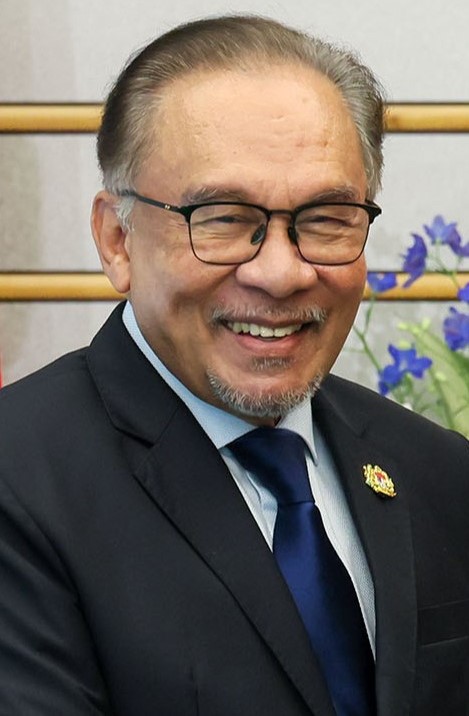
The Regent of Johor, Tunku Mahkota Ismail, has received Prime Minister Datuk Seri Anwar Ibrahim in a formal audience, with both parties emphasizing the robust nature of ties between Putrajaya and the southern state. The meeting, held at the Istana Bukit Serene, underscores the importance placed on maintaining open communication channels between the federal government and one of Malaysia's most economically significant regional entities.
Johor holds considerable weight within Malaysia's political and economic landscape, serving as a major industrial and manufacturing hub with significant foreign investment. The state has been instrumental in regional development initiatives, particularly given its proximity to Singapore and its role as a gateway for cross-border commerce. Regular high-level engagement between state leadership and the federal government reflects broader efforts to ensure coordinated policymaking across jurisdictions with distinct governance structures and political compositions.
The audience follows a period during which both Putrajaya and Johor have navigated distinct political contexts while maintaining functional working relationships. Such formal engagements serve multiple purposes: they provide opportunities to discuss state-specific concerns, coordinate on national initiatives, and project political stability to investors and international observers. For Malaysia's business community and foreign economic partners, visible cohesion between federal and state leadership carries tangible significance regarding policy consistency and investment certainty.
Tunku Mahkota Ismail, as the regent executing the constitutional responsibilities of the Sultan of Johor during his absence, plays a crucial ceremonial and symbolic role in state governance. His reception of the Prime Minister represents not merely a courtesy exchange but an affirmation of institutional respect between the Palace and the executive branch. This distinction matters in Malaysia's constitutional monarchy framework, where the relationship between federal and state rulers carries both symbolic and practical implications for governance.
Putrajaya has prioritized maintaining cordial relations with state administrations as part of its broader governance strategy. In a federation with thirteen states and three federal territories, each possessing their own executive and legislative structures, the capacity of the central government to implement national policies often depends on cooperation at the state level. Johor's compliance and active participation in federal initiatives—whether economic, administrative, or developmental—directly impacts the success of nationwide programmes.
The timing of such meetings often carries significance within Malaysia's political calendar. Regular audiences between prime ministers and state rulers demonstrate governmental continuity and stability, particularly important during periods when questions arise about political transitions or policy shifts. The meeting reaffirms that despite varying political configurations across different administrations, institutional channels for dialogue remain functional and valued.
From a Southeast Asian perspective, Malaysia's internal political coherence influences its standing within regional forums and its capacity to participate effectively in regional economic integration. States like Johor, given their strategic location and economic contribution, represent important anchors for regional stability. When federal-state relations are demonstrably harmonious, it enhances Malaysia's credibility as a stable economy and reliable regional partner.
The audience also reflects practical considerations around resource allocation, infrastructure projects, and developmental priorities that require federal-state coordination. Johor has pursued substantial economic diversification initiatives, including industrial parks, technology hubs, and transportation infrastructure projects that often involve federal funding or regulatory oversight. Ongoing dialogue ensures these ambitions align with national development frameworks and international agreements that the federal government negotiates.
For Malaysian investors and businesses operating within Johor, such visible coordination between state and federal leadership provides assurance that regulatory environments remain predictable and that policy disputes, should they arise, occur within established institutional frameworks rather than spilling into public conflict. This operational stability directly influences capital allocation decisions and business expansion plans.
The meeting underscores that Malaysia's federal system, despite occasional tensions inherent in shared governance structures, continues functioning through established protocols and relationship-building. Both the Prime Minister and the Regent understand that their respective portfolios demand effective collaboration on matters ranging from land administration to economic development to public services delivery.
Looking forward, such engagements likely signal continued emphasis on maintaining institutional relations regardless of potential political changes in either federal or state governments. Malaysia's experience demonstrates that governance stability often depends more on operational functionality than on ideological alignment, and regular high-level audiences serve as important mechanisms for reinforcing these pragmatic working relationships.