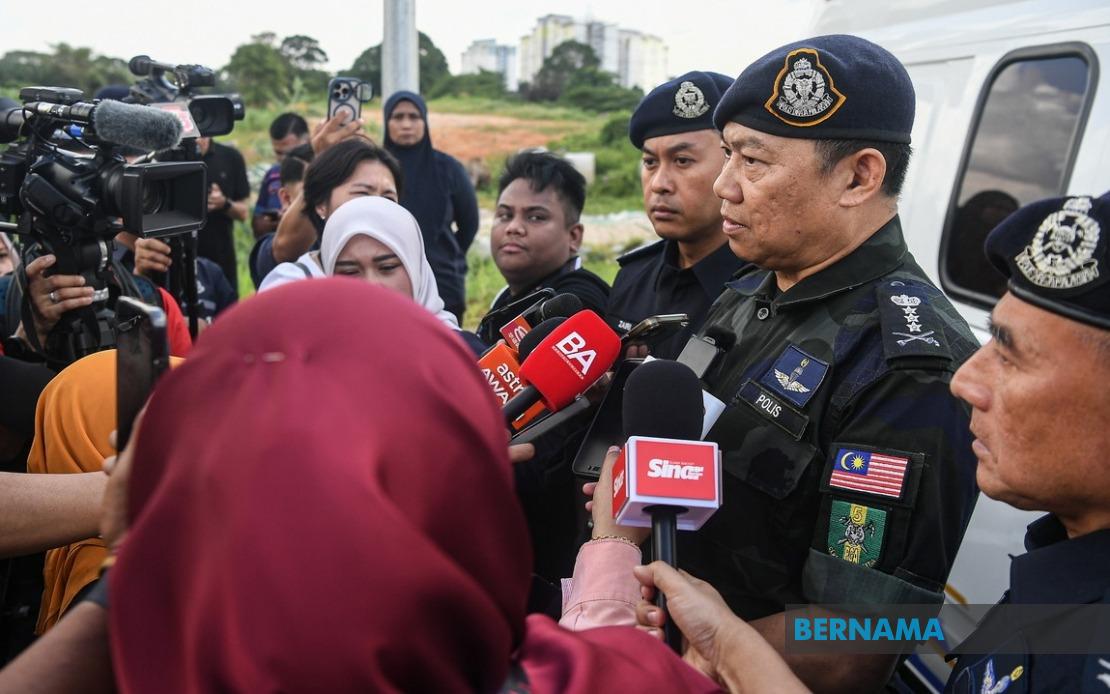
The nomination process for Johor's 16th state election unfolded without incident on June 27, with all 56 nomination centres operating smoothly throughout the day. The peaceful conduct of the exercise represents a significant milestone in the lead-up to the state polls, demonstrating that the electoral machinery and security apparatus are functioning effectively during this critical phase of the democratic process.
Johor police chief Datuk Ab Rahaman Arsad confirmed that no disturbances or disruptions were reported across the entire state, despite the scale of the operation involving thousands of candidates, party officials, and observers converging on nomination centres simultaneously. The absence of incidents during this initial phase sets a positive tone for the remainder of the election campaign, which will culminate in polling day on July 11.
To safeguard the nomination process, authorities deployed 4,832 police officers and personnel across Johor, reflecting the comprehensive security planning undertaken by the state's law enforcement agencies. This substantial deployment ensured that nomination centres operated in a secure environment while allowing candidates and their representatives to complete filing procedures without obstruction. The visible police presence served both as a deterrent to potential troublemakers and as a reassurance to election officials and the general public.
The electoral commission has already approved 26 campaign permits statewide, with expectations that additional permits will be issued as political parties and candidates ramp up their campaign activities in the coming weeks. These permits regulate the scale and nature of campaign events, ensuring that political activity remains within prescribed boundaries and does not impinge on public spaces or disrupt daily life. The steady issuance of permits indicates that election management is proceeding according to schedule.
Datuk Ab Rahaman issued a measured reminder to all political parties and candidates to conduct their campaigns responsibly and in full compliance with election laws and regulations. Such directives are standard practice during election periods, but they carry particular weight when issued after the nomination phase, as they establish expectations for the campaign period that lies ahead. The police chief's appeal reflected an understanding that the conduct of candidates and party supporters during campaigning can significantly influence public perception of the election's legitimacy and fairness.
Police leadership also cautioned against any actions that could threaten public order or create communal tensions, signalling their readiness to enforce laws protecting social stability. While Malaysia's electoral contests are generally conducted in a civilised manner, political passions can occasionally flare, particularly in state elections where local issues resonate deeply with voters. The police's clear warning serves as a timely reminder of the boundaries within which political competition must operate.
The nomination process itself represents a crucial checkpoint in the electoral calendar, as it formalises which candidates will contest each seat and provides voters and observers with a complete picture of their electoral choices. The smooth conduct of nominations at all 56 centres across Johor—a large state with diverse constituencies—suggests that logistical planning and coordination between election officials, police, and other agencies functioned effectively. This operational success provides confidence that subsequent phases of the election, including early voting on July 7 and the main polling day on July 11, can also be conducted without major hitches.
For Malaysian democracy, the incident-free nomination process carries broader significance. It demonstrates that despite occasionally contentious political environments and competition for power, the institutional frameworks governing elections remain robust and capable of managing the peaceful transfer or retention of authority. The fact that thousands of candidates could converge on nomination centres, file their nominations, and complete the process without conflict or disruption reflects the maturity of Malaysia's electoral system and the general acceptance among political actors of democratic rules and procedures.
The timeline established by the Election Commission—with early voting just over a week away and general polling on July 11—compresses the campaign period, placing pressure on candidates and parties to communicate their platforms efficiently. During this condensed campaign window, the conduct of campaign activities will be closely watched by election observers, media, and the public. The police's deployment of resources and their clear communication of expectations should help maintain the orderly environment that was established on nomination day.
From a regional perspective, Johor's electoral exercise carries significance beyond the state itself. As Malaysia's second-largest state by population and a major economic contributor, the outcome of elections in Johor influences national political calculations and dynamics. The successful and peaceful conduct of the nomination process contributes to Malaysia's reputation as a country where democratic processes are respected and managed professionally, even as political competition can be intense.
Looking ahead, the challenge for authorities will be maintaining the order and civility demonstrated on nomination day throughout the campaign period and on polling day itself. The commitment of law enforcement to ensure compliance with electoral laws, combined with the apparent willingness of political actors to operate within prescribed boundaries, suggests that Johor voters can expect a competitive but stable electoral environment in which to make their democratic choices.

