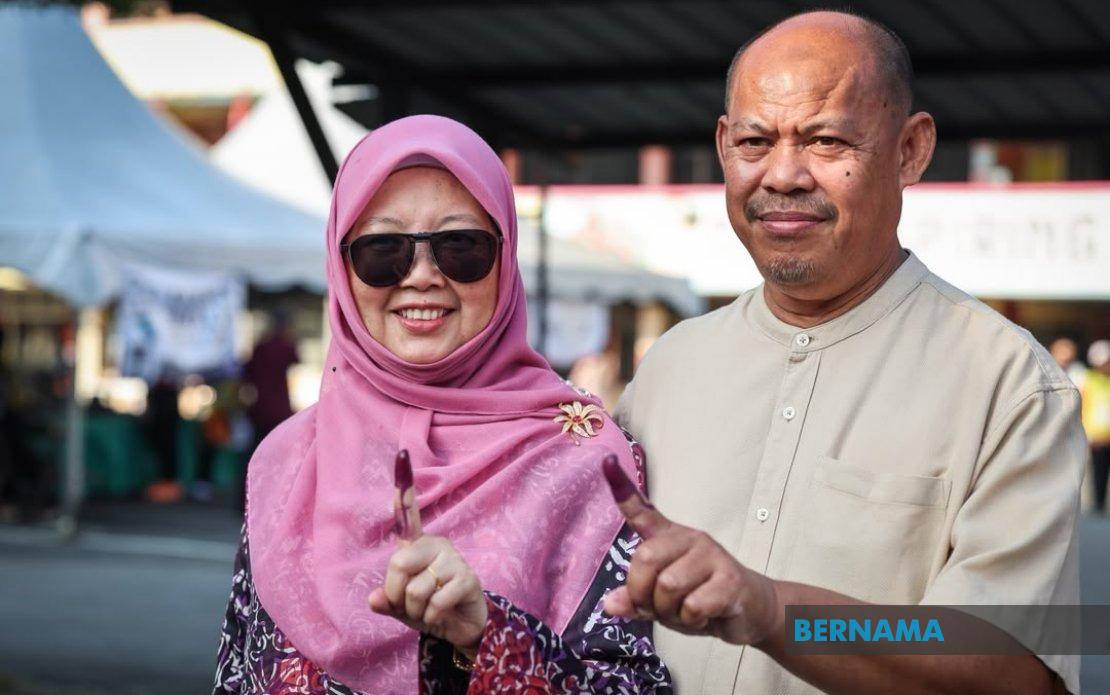
The 16th Johor state election saw prominent political operatives heading to polling stations in the early morning hours of July 11, setting the tone for what observers expect to be a closely contested contest. The visible presence of senior party figures voting during the initial window—a tradition that carries symbolic weight in Malaysian electoral cycles—underscores the significance both parties attach to the Johor ballot. This engagement by leadership, arriving before peak voting times, typically serves as a rallying signal to party members and supporters that turning out matters.
Johor PKR chairman Datuk Seri Dr Zaliha Mustafa was among the earliest to participate, casting her ballot at Sekolah Menengah Kebangsaan Bandar Baru Uda at 9 am. Mustafa, who previously held the portfolio of Minister in the Prime Minister's Department with responsibility for Federal Territories, participated alongside her husband Dr Ahmad Adzlan Musa. The couple voted in the Larkin constituency, a seat that has historically been a battleground between reform-oriented and traditional coalition forces. Their participation reflected the PKR's determination to maintain momentum in a state where the party has sought to strengthen its foothold in recent years.
Mustafa used the occasion to appeal directly to Johor residents, emphasizing the importance of early participation and forecasting potential complications from weather. She cautioned that meteorological predictions indicated rain from midday onward, suggesting that voters who delayed their arrival risked encountering challenging conditions. This weather-related messaging—practical yet carrying undertones about civic responsibility—represented a calculated effort to mobilize the party's base while projecting competence and foresight to undecided voters monitoring the election through media coverage.
The Democratic Action Party's presence in the polling was marked by Johor DAP chairman Teo Nie Ching, who cast her ballot approximately 30 minutes after Mustafa at Sekolah Jenis Kebangsaan Cina Kulai Besar in the Kulai constituency. The timing and coordination of these leadership votes, distributed across different voting centers and constituencies, reflected broader strategic considerations about geographic representation and the need to demonstrate party breadth across Johor's diverse landscape.
For Malaysian readers following state-level politics, the Johor election carries implications extending well beyond the southern state's borders. Johor's electoral outcome influences the broader federal political equilibrium, as a state with substantial parliamentary representation. The strong showing by either traditional or reform-oriented coalitions here provides momentum or setback signals that reverberate through subsequent legislative sessions and coalition negotiations at the national level. The early voting by party hierarchies thus represents not merely local enthusiasm but calibration of narratives for national consumption.
The composition of voter turnout and the messaging from party leadership in initial hours have historically provided preliminary indicators of expected final results. When senior figures make themselves visible in voting centers and speak to media, they are simultaneously executing multiple functions: fulfilling their civic duty, fulfilling party protocol, and attempting to frame the election's stakes through their own participation and accompanying remarks. The weather forecast that Mustafa highlighted, while factually relevant, also permitted the PKR to position itself as forward-thinking and considerate of voter welfare.
Johor's political landscape reflects broader Southeast Asian patterns where state-level contests serve as testing grounds for national coalitions and emerging political movements. The presence of both PKR and DAP leadership voting early underscores the multiethnic character of Malaysian electoral competition, with both parties drawing from different but overlapping demographic constituencies. The specific constituencies where these leaders voted—Larkin and Kulai—represent areas with distinct demographic profiles and historical voting patterns that warrant attention from analysts tracking regional political trends.
The strategic visibility of party leaders during early voting periods has become increasingly important in Malaysian electoral culture, where media coverage of election day unfolds across multiple platforms and formats. The messages delivered by Mustafa and others through informal remarks to reporters at polling stations become part of the broader narrative shaping public perception of the election's significance and trajectory. These early messages, though brief, carry outsized importance in driving online discourse and influencing last-minute voter decisions.
For political observers in Malaysia and across the region, early election dynamics in Johor provide data points about voter enthusiasm, party organizational capacity, and the efficacy of campaign messaging. The willingness of party chairs to participate visibly and early suggests confidence in their respective positions, while their communications regarding participation and weather reveal assumptions about voter behavior and decision-making processes. As the Johor election unfolds through the day, these early indicators will be analyzed and reanalyzed for what they suggest about both immediate electoral outcomes and longer-term trajectories of Malaysian political competition.

