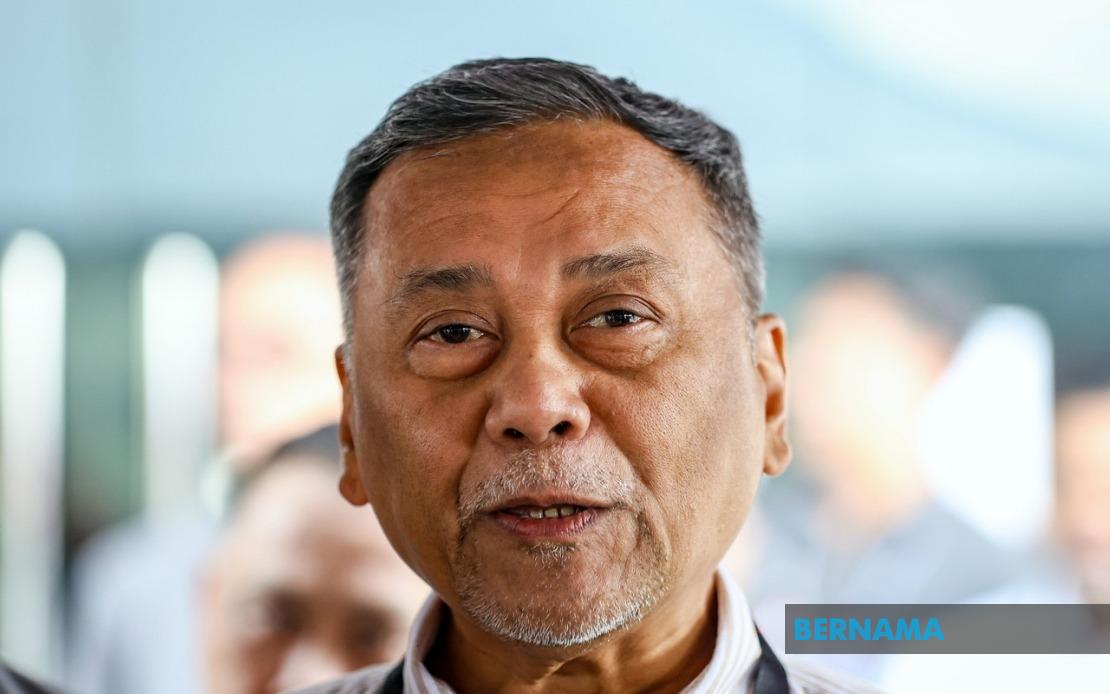
The Election Commission has forecast a substantial turnout for Johor's upcoming state election, with Datuk Seri Ramlan Harun, the EC chairman, anticipating that around 70 per cent of eligible voters will cast their ballots. This optimistic projection emerges from observable patterns during the campaign period, which have demonstrated considerable public appetite for participating in electoral affairs. The forecasted participation rate represents a meaningful engagement level for a state election, suggesting that voters view the contest as significant to their political interests and future governance.
Ramlan attributed the anticipated high turnout to multiple reinforcing factors operating across Johor society. The intensity of campaigning by contesting parties has maintained voter awareness and interest throughout the electoral period. Beyond mere campaign visibility, however, the EC chairman identified a deeper shift in public consciousness regarding the importance of elections themselves. He noted that Malaysians appear increasingly cognisant of their civic responsibilities and the weight their votes carry in shaping state government. This heightened awareness, combined with the dynamic nature of the current campaign, has created conditions favourable to robust participation.
The electoral register for this contest encompasses approximately 2.7 million registered voters across Johor, a substantial electorate whose mobilisation requires considerable administrative machinery. The sheer scale of voter mobilisation for a 70 per cent turnout projection would translate into nearly 1.9 million citizens participating in the voting process. This magnitude underscores the logistical complexity inherent in administering state-level elections in Malaysia's second-largest state by population.
Voting logistics have been structured to accommodate Johor's geographic diversity. Polling stations will commence operations at 8 am, though closure times vary significantly depending on location. Island constituencies present particular challenges; Pulau Besar near Mersing will close voting at 11 am, with island locations Pulau Aur and Pulau Pemanggil shutting down at noon. These staggered closures account for transportation difficulties and isolation factors affecting remote electoral areas. The majority of polling centres—1,114 locations—will operate until 6 pm, with another 42 centres closing at 4 pm and 17 at 2 pm. This tiered approach reflects considered planning to ensure accessibility whilst accommodating geographic realities.
The Election Commission has mobilised 43,036 election workers to manage the voting process across all constituencies and polling stations. This substantial workforce ensures adequate staffing for voter registration verification, ballot distribution, and security arrangements at each location. The deployment of such personnel numbers represents a significant operational undertaking, requiring training, coordination, and deployment across a wide geographic area. Their presence at polling stations is essential to maintaining electoral integrity and ensuring smooth voting procedures.
Postal voting arrangements have also been implemented for eligible voters unable to participate in person. The EC has issued 24,677 postal ballot papers, which must arrive at the commission's offices before 6 pm on election day. This mechanism provides flexibility for voters such as those on overseas assignment, in institutional care, or otherwise immobilised, allowing them to exercise franchise rights despite physical absence from their constituencies. The deadline for receiving completed postal ballots ensures votes can be appropriately processed and counted alongside in-person voting tallies.
Logistical contingency planning has received particular attention, especially regarding the transportation of ballot boxes from island polling stations. The EC has coordinated extensively with the police and the Malaysian Armed Forces to establish reliable transport mechanisms for ballot security and delivery. These arrangements must account for sea conditions, weather variability, and the inherent delays in island transportation. By incorporating contingency measures and securing inter-agency cooperation, election officials have sought to mitigate risks that could otherwise compromise voting integrity or cause administrative delays in result compilation.
The 70 per cent turnout projection, if realised, would position this Johor election as a high-engagement democratic event. For Malaysian political observers, this figure carries significance beyond simple participation statistics. Turnout levels often reflect voter sentiment regarding election competitiveness, perceived stakes, and faith in democratic processes. A 70 per cent turnout would indicate that Johor voters perceive genuine choice in the outcome and view their participation as consequential—neither accepting results as predetermined nor withdrawing in political apathy. This suggests a functioning electoral system where choices matter to electoral prospects.
The strong anticipated participation also reflects broader patterns in Malaysian electoral behaviour. Over recent years, significant polling contests have attracted substantial voter engagement, particularly when contests are perceived as competitive or consequential to state governance. The Johor projection aligns with this trend, suggesting the state's voters regard tomorrow's election as determining meaningful policy direction and resource allocation at the state level. This represents a healthy democratic indicator, even if particular political outcomes remain uncertain.

