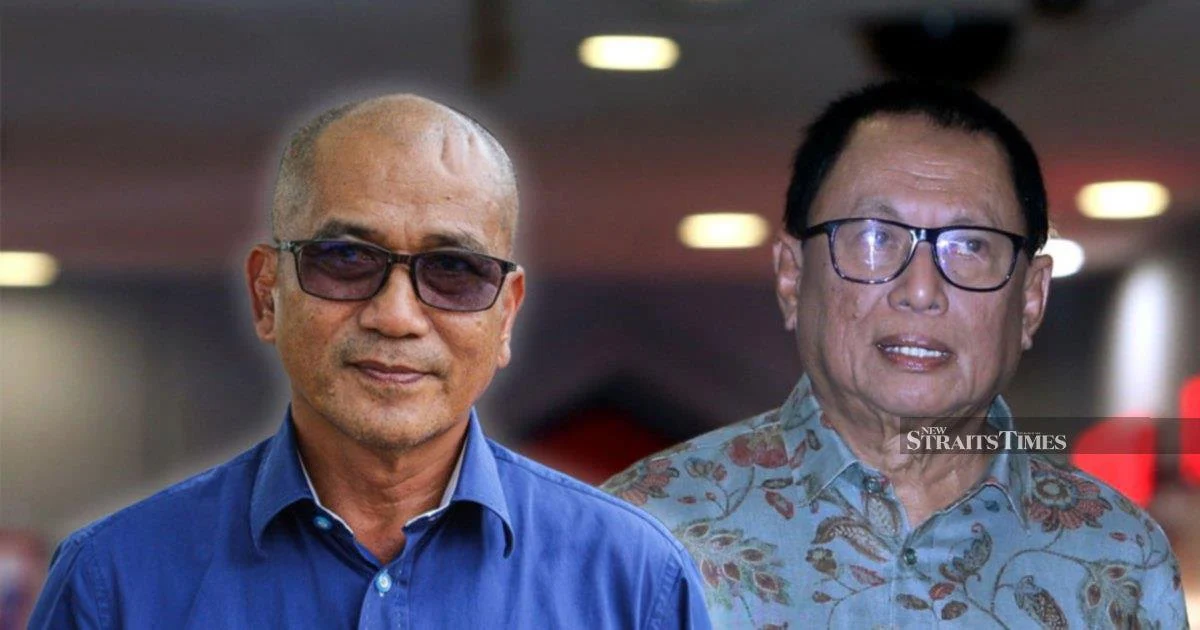
Johor's Umno leadership has launched a forceful counterattack against former Johor legislative assembly speaker Datuk Dr Mohd Puad Zarkashi, dismissing his recent public statements regarding the dissolution of the state assembly on June 1 as malicious falsehoods intended to damage party members' reputations.
The dispute represents a significant intra-party clash, highlighting lingering tensions within Umno's Johor operations following the contested assembly dissolution that triggered snap elections in the state. Party leaders in Johor have characterised Puad Zarkashi's accusations as extraordinarily serious defamatory statements, suggesting they view his intervention as a direct assault on their integrity and decision-making processes during a crucial political moment.
The June 1 dissolution of the Johor assembly had proven contentious within political circles. The move, which required the dissolution recommendation to proceed through official channels, became a flashpoint for competing narratives about leadership, political legitimacy, and constitutional processes. Puad Zarkashi, as the former speaker, occupied a position that gave his statements particular weight regarding procedural matters surrounding the assembly's dissolution, lending credibility to his ability to speak authoritatively on what occurred behind closed doors.
However, current Johor Umno leaders are evidently unwilling to grant Puad Zarkashi such interpretive authority. Their unified rejection of his claims suggests coordinated messaging designed to undermine the former speaker's credibility and prevent his narrative from gaining traction within party ranks or with the broader Malaysian electorate. The vigour of their response indicates anxiety about potential damage to party unity and public perception during what remains a sensitive period for Johor Umno's political standing.
The context of this dispute involves deeper structural questions about decision-making authority within Umno's Johor hierarchy. The assembly's dissolution required approval through proper constitutional and party mechanisms, meaning decisions made during that period involved multiple stakeholders. Puad Zarkashi's willingness to challenge the dominant party narrative suggests he may believe the dissolution process was flawed, improperly motivated, or executed without sufficient consensus among party decision-makers.
From a broader Malaysian political perspective, such internal party disputes carry significance beyond Johor. Umno remains the dominant component of the federal ruling coalition, and factional disagreements at the state level can reverberate through the party's national structures. When former office-holders like Puad Zarkashi break public solidarity to air grievances, it signals potential fractures within the party's leadership consensus that opposition parties will inevitably exploit for political advantage.
Puad Zarkashi's decision to speak publicly rather than through private party channels represents an escalation in intra-party conflict. Former speakers occupy visible public positions, and when they take contrary positions to sitting leadership, their statements carry media visibility and symbolic weight. The fact that multiple Johor Umno leaders felt compelled to issue public refutations suggests they recognised the potential damage to party narrative if Puad Zarkashi's claims went unanswered in public forums.
The characterisation of Puad Zarkashi's statements as "grave slander" indicates Johor Umno leadership views the allegations as potentially actionable defamation. This legal framing suggests the former speaker may have made specific, verifiable claims about individuals' conduct, rather than offering mere opinion or political critique. Such language also signals that Johor Umno is prepared to pursue institutional or legal remedies rather than dismissing the matter as routine political theatre.
Malaysian political observers note that state assembly dissolutions have become increasingly controversial under Malaysia's current electoral dynamics. Opposition parties gained significant representation in Johor during recent elections, making snap polls a strategic tool for administrations seeking to consolidate power before losing legislative majorities. The June 1 dissolution occurred within this context of heightened partisan sensitivity around assembly management and timing of elections.
The dispute also reflects evolving standards around public accountability within Umno. Historically, party discipline discouraged senior members from airing internal disagreements publicly, maintaining united party fronts regardless of private disputes. Puad Zarkashi's public intervention suggests shifting norms where former office-holders feel empowered to challenge leadership narratives directly rather than accepting hierarchical restraint on public speech.
For Malaysian political stability, such internal party disputes merit monitoring. When ruling coalition component parties experience significant factional conflict, the stability of broader governing arrangements can be affected. Johor Umno's demonstrated unity in rejecting Puad Zarkashi's claims suggests current leadership remains cohesive, but the underlying grievances he represents may persist beneath the surface, potentially erupting during future political transitions or leadership contests.
The incident ultimately illustrates ongoing tensions within Umno between hierarchy and accountability, between party discipline and individual integrity. Puad Zarkashi's willingness to challenge the official narrative and Johor leadership's forceful response together reveal a party grappling with modernising demands for transparency while maintaining traditional structures that historically relied on internal deference to leadership authority.

