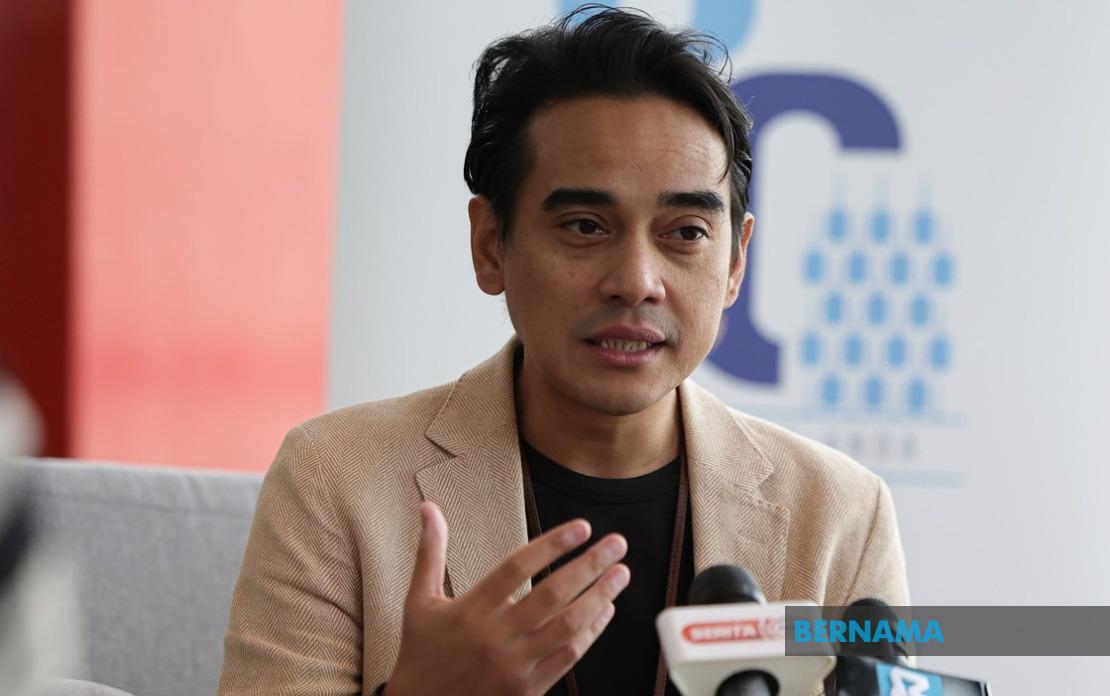
Malaysia's Director-General of Broadcasting Ashwad Ismail has issued a stark message to the country's journalism community: those who fail to master artificial intelligence risk being outpaced by peers who do. Speaking during an appearance on Bernama TV's The Nation programme in Kuala Lumpur on June 17, Ismail reframed the AI debate in newsrooms from one centred on job displacement to one focused on professional evolution and competitive advantage within an industry undergoing rapid technological transformation.
Ismail's perspective challenges the prevailing anxiety among journalists worldwide about automation replacing human reporters. Rather than suggesting that AI will eliminate journalism roles entirely, he contends that the threat comes from the gap between those who adapt and those who do not. The illustration he offered was revealing: robots will not displace journalists, but journalists equipped with AI competency will inevitably supersede those without such skills. This framing shifts responsibility onto individual practitioners to acquire new capabilities and understand how emerging tools can augment rather than eliminate their work.
The broadcasting chief emphasized that media organisations should view AI as a complementary asset that strengthens journalistic output rather than a disruptive force fundamentally altering the profession. This stance reflects a growing consensus among media leaders globally that technology, when properly integrated, can enhance reporting quality, accelerate research processes, and free journalists from routine tasks to focus on investigation and storytelling. For Malaysian newsrooms grappling with resource constraints and competing digital demands, this argument holds particular weight as outlets seek efficiency gains without sacrificing editorial standards.
However, Ismail acknowledged that embracing AI technology cannot proceed without guardrails. He stressed the necessity of establishing clear guidelines within newsrooms to ensure that artificial intelligence deployment enhances rather than compromises journalistic integrity. Such frameworks become increasingly critical as newsroom leaders contemplate applications ranging from automated content generation and data analysis to personalised news distribution and predictive reporting. Without ethical parameters, the technology risks creating new vulnerabilities to misinformation or algorithmic bias that could further erode public confidence in media institutions already struggling with trust deficits across Southeast Asia.
The concern about industry adaptation extends beyond individual skill gaps. Ismail identified the inability of media practitioners broadly to keep pace with technological change as a significant worry, alongside the tangible prospect of job losses as newsrooms potentially streamline operations following automation. This dual anxiety reflects a real tension in the industry: while AI might theoretically augment human capabilities, organisations implementing the technology often simultaneously reduce staff, displacing workers whose roles become redundant or consolidated. Malaysian journalists, many already working under budget pressures at smaller regional outlets, face genuine uncertainty about how technological adoption will affect employment stability.
Beyond technology, Ismail articulated a broader strategy for rebuilding eroded public confidence in journalism. He advocated for news organisations to return to foundational journalistic practices, particularly strengthening hyperlocal reporting and cultivating direct relationships with communities. This approach recognises a critical vulnerability in modern media: as outlets chase scale and digital metrics, they often retreat from the granular, community-focused journalism that historically built reader trust. In Malaysia, where local newspapers have declined and community reporting infrastructure has weakened, this call resonates with emerging recognition that digital transformation alone cannot solve the profession's credibility challenges.
The human dimension Ismail highlighted represents an essential counterbalance to AI adoption rhetoric. Acknowledging that personal connection and authentic engagement matter profoundly, he suggested that technology cannot replace the trust-building function of newsrooms genuinely attuned to local audiences' concerns and community dynamics. For Malaysian readers increasingly sceptical of media institutions and susceptible to misinformation, the presence of journalists who understand local contexts and maintain visible community presence offers a buffer against algorithmic news feeds and disconnected digital-first outlets.
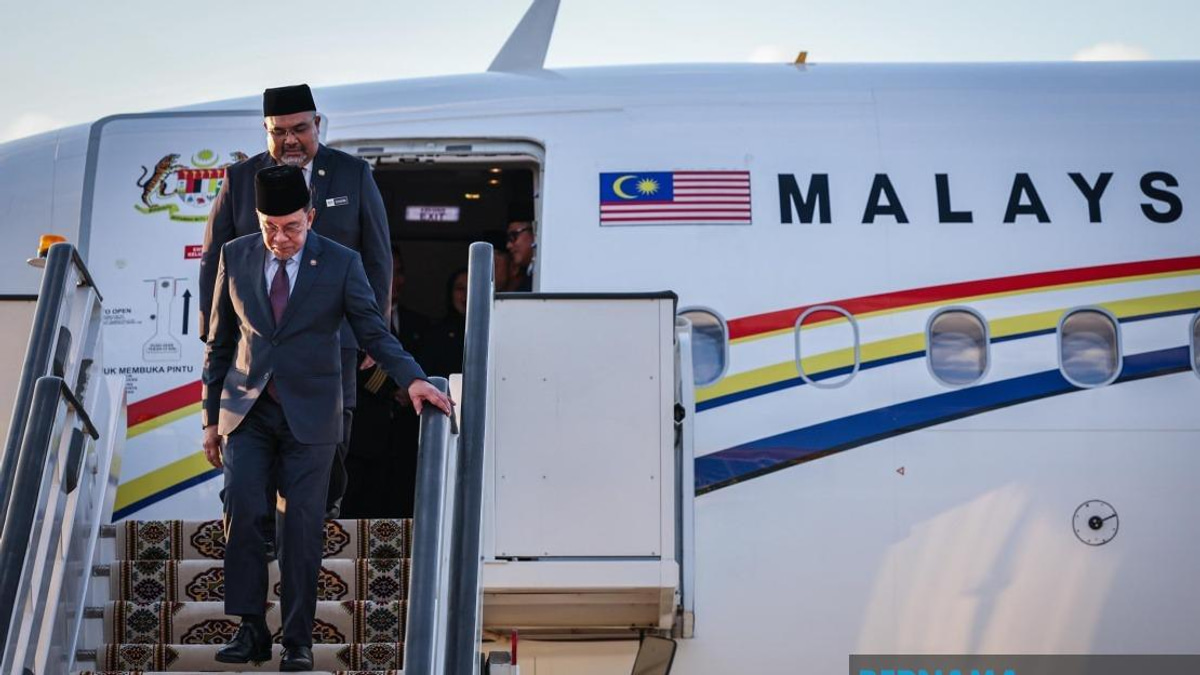
Ismail's comments arrive as the media industry prepares for HAWANA 2026, a significant regional gathering of journalism professionals and policymakers scheduled for June 20 at PICCA Convention Centre @ Arena Butterworth in Penang. Prime Minister Datuk Seri Anwar Ibrahim will officiate the event, which expects to draw more than 1,200 attendees including media practitioners, ASEAN delegates, and official representatives. The conference serves as a platform for articulating the industry's strategic direction during a period of profound technological and business model disruption.
The convergence of these themes—AI adoption, ethical deployment, trust rebuilding, and community engagement—reflects the complex navigation required of journalists and media organisations across Southeast Asia. For Malaysia specifically, where media concentration, political sensitivities, and audience fragmentation create a challenging operating environment, the balance between embracing transformative technology and maintaining foundational journalistic values becomes particularly consequential. Ismail's message suggests that the path forward requires simultaneous innovation in tools and deepening of traditional professional commitments rather than viewing these as competing imperatives.