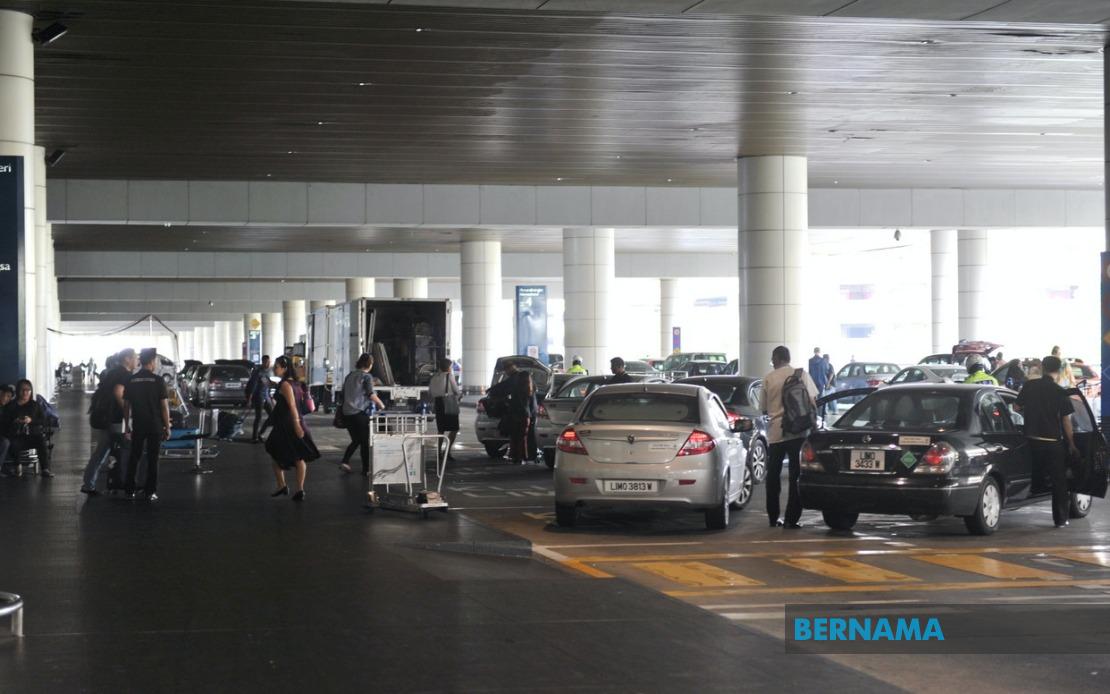
The Road Transport Department (JPJ) is mounting a comprehensive crackdown on illegal taxi operators—colloquially known as 'ulat'—at Kuala Lumpur International Airport, signalling a significant escalation in enforcement efforts across both terminal facilities. Acting on directives from the Ministry of Transport, the department plans to implement enhanced surveillance and patrol operations starting the following week, with a particular emphasis on extending coverage throughout all operating hours. This coordinated response reflects growing concern among authorities that the persistence of unlicensed transport services undermines Malaysia's reputation as a professional gateway and exposes arriving visitors to potential safety and financial risks.
Currently, the situation at KLIA remains understaffed and inadequately monitored. JPJ director-general Datuk Aedy Fadly Ramli disclosed during a press conference that only 17 personnel are deployed across KLIA Terminal 1, working split shifts from 7 am until midnight, while Terminal 2 operates without dedicated transport enforcement officers. This skeletal presence means significant gaps exist during peak arrival times, particularly in the early morning hours when aircraft begin landing and passengers are most vulnerable to approaches by unlicensed operators. The absence of continuous monitoring has effectively allowed 'ulat' activities to proliferate during late-night and early-morning periods when vulnerable international travellers are less aware of legitimate transport alternatives.
The department's remedial strategy involves a substantive redeployment of human resources. The Selangor JPJ deputy director, Datuk Ahmad Kamarunzaman Mehat, has received instructions to substantially increase personnel stationed at both terminals. The revised operational framework will introduce a three-shift rotation system ensuring round-the-clock presence at KLIA T1 and T2, fundamentally altering the enforcement landscape. This shift from limited daytime coverage to comprehensive 24-hour operations addresses a critical vulnerability that illegal operators have exploited. By positioning enforcement teams continuously, the department aims to disrupt the transactional environments where touts typically target arriving passengers who are disoriented, fatigued, and unfamiliar with airport procedures.
Beyond simple numerical increases, JPJ intends to strengthen operational quality by stationing higher-ranking officers at both terminals to oversee enforcement units. This supervisory enhancement ensures that patrol activities maintain consistent standards and that decision-making authority resides with experienced personnel capable of coordinating complex interventions. The promotion of senior officers to frontline terminal positions signals institutional commitment to treating airport-based transport violations as a serious compliance issue rather than a minor nuisance. Such structural improvements typically yield better tactical coordination and faster response times when illegal operators are identified.
The illegal airport taxi phenomenon represents a persistent challenge across Southeast Asian aviation hubs, and Malaysia faces particular pressure to maintain international standards given KLIA's status as a premier regional airport. Unlicensed operators not only defraud passengers through inflated fares and substandard vehicles but also create security concerns and tarnish the nation's image among international visitors. The economic cost extends beyond individual passengers to encompass broader tourism and investment considerations, as poor airport experiences often colour subsequent perceptions of the entire destination. Addressing this problem therefore carries implications beyond transport regulation.
JPJ's enforcement strategy incorporates technological and informational components alongside personnel deployment. The department is collaborating with Malaysia Airports Holdings Bhd (MAHB) to enhance passenger awareness through expanded signage and announcements within terminal facilities. Strategic communication emphasizing the availability of licensed transportation services aims to reduce the receptiveness of arriving passengers to illegal operators. Digital displays positioned throughout terminals can reach diverse audiences in multiple languages, while regular public address announcements reinforce compliance messaging. This multi-channel approach recognizes that many travellers simply lack awareness of which services are legitimate and which represent illicit operations.
The intensification at KLIA must be contextualized within Malaysia's broader transport sector challenges. Illegal ride-hailing and unlicensed taxi operations have expanded across multiple entry points and urban centres, suggesting systemic issues with enforcement capacity and regulatory oversight. The KLIA initiative, while significant, represents one component of a wider struggle to maintain transport sector integrity. As international travel volumes recover and airport activity increases, the gap between legitimate operator capacity and passenger demand creates openings for illegal alternatives to flourish. Addressing this imbalance requires sustained commitment beyond individual enforcement operations.
Datuk Aedy Fadly emphasized that JPJ will maintain an uncompromising stance toward all parties facilitating illegal transport services. This declarative commitment suggests that enforcement will extend beyond apprehending touts to include investigation of enabling networks and coordination mechanisms. Breaking the organizational structures that sustain systematic illegal operations requires identifying middle-management figures and operators who coordinate activities, not merely intercepting individual transactions. The department's stated willingness to pursue such comprehensive enforcement indicates understanding that surface-level interventions prove insufficient without addressing underlying organizational factors.
The practical implementation of these measures will face various obstacles. Enforcement officers require adequate training to identify fraudulent operators and legitimate passengers, necessitating investment in personnel development. KLIA's physical layout and high passenger volumes create operational challenges for maintaining visible security presence without disrupting normal airport functions. Coordination between JPJ and airport authorities demands clear communication protocols and shared objectives. Moreover, illegal operators typically adapt tactics in response to enforcement, potentially shifting activities to less-monitored locations or employing subtler recruitment methods. Successful implementation therefore requires sustained effort and periodic tactical adjustments.
For Malaysian travellers and international visitors, these enforcement enhancements promise improved airport experiences and protection against exploitation. The increased likelihood of interception discourages illegal operators and pushes legitimate customers toward regulated services. Over time, such consistent enforcement shapes market dynamics, gradually reducing the viability of illicit operations and strengthening legitimate transport providers' competitive position. The broader ecosystem—including airlines, hotels, and tourism operators—benefits from passengers arriving without negative initial experiences shaped by fraudulent interactions.
The KLIA initiative also reflects evolving attitudes toward ground transportation regulation across Southeast Asia. Several regional aviation hubs have implemented comparable enforcement strategies, recognizing that airport environments require specialized security and transport oversight. Malaysia's commitment to expanding JPJ presence at KLIA aligns with international best practices for protecting airport passengers and maintaining facility integrity. As the region experiences increased air travel demand, competition among hubs intensifies, making service quality and passenger experience increasingly central to competitive positioning.

