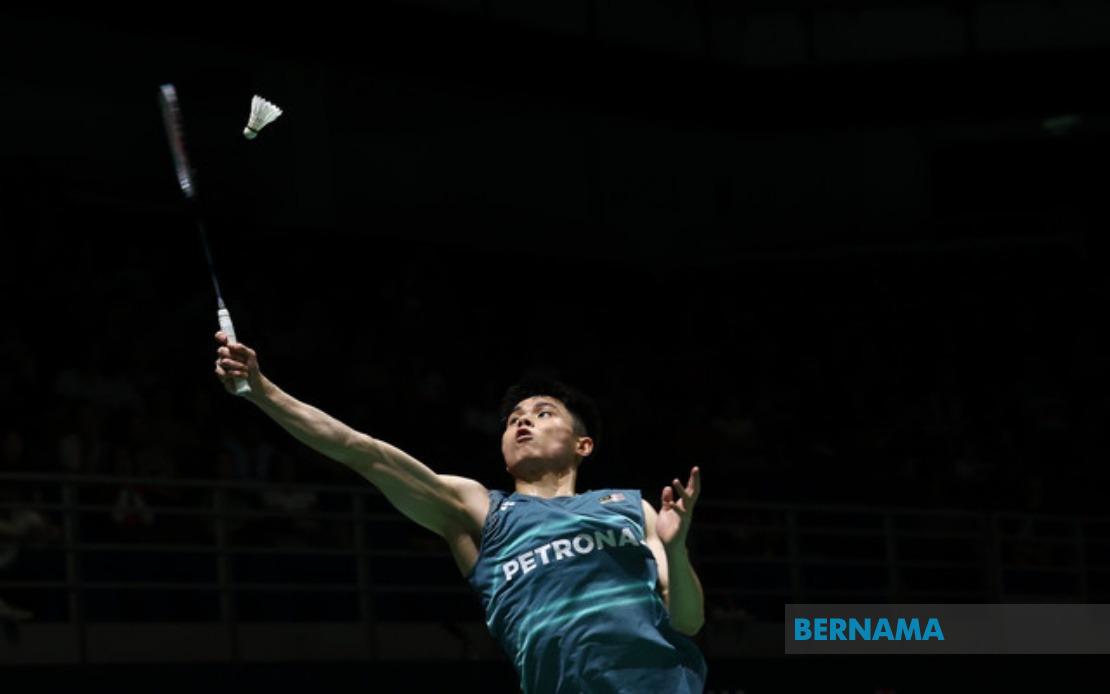
Twenty-two-year-old badminton star Justin Hoh is taking a measured approach as he readies himself for his maiden appearance at the 2026 BWF World Championships in New Delhi from August 17 to 23, focusing his efforts on thorough preparation rather than worrying about the host venue's infrastructure. Speaking after a training session at the Academy Badminton Malaysia here, the Kuala Lumpur-born shuttler emphasised his commitment to arriving in peak competitive condition, treating the logistical realities of competing in India as something to plan around rather than something that should undermine his performance.
For players making the journey to India, the practical considerations extend well beyond standard match preparation. Justin's experience competing in Indian tournaments has taught him that self-sufficiency is paramount, particularly when it comes to nutrition. He flagged the importance of bringing personal food supplies to insulate himself from potential hygiene complications that could disrupt his tournament campaign. This pragmatic stance reflects a broader challenge faced by international athletes competing at Indian venues, where infrastructure inconsistencies have sometimes affected competition standards.
The backdrop to these preparations includes the January India Open badminton tournament, which faced significant criticism over sanitation shortcomings at the Indira Gandhi Sports Complex. Reports highlighted concerning conditions including bird droppings on practice courts and monkeys freely roaming the facility. While such circumstances might deter some competitors, Justin views them as manageable obstacles requiring advance planning. He expressed cautious optimism that the World Championships organisers would implement improvements, though he remained realistic about the possibility that conditions might still fall short of what Malaysian athletes are accustomed to at home.
Despite the logistical uncertainties surrounding his first World Championships appearance, Justin's mindset reflects a mature perspective on competition. He declined to express anxiety about potential opening-round opponents who might rank higher in the world standings, instead framing his participation as fundamentally a learning experience. This approach suggests he is setting realistic expectations for himself while remaining open to exceeding them should circumstances align favourably.
The Malaysian men's singles contingent operates under considerable domestic scrutiny, a pressure that Justin acknowledges regularly. Public commentary on national male shuttlers ranges from supportive to critical, creating an environment where players must develop psychological resilience alongside technical excellence. Rather than viewing this attention as burden, Justin has reframed it as motivational fuel, a challenge that compels him to demonstrate his capabilities on the world stage. This perspective is particularly significant given Malaysia's historical prominence in badminton and the weight of expectations that comes with representing the nation in a sport where Malaysian athletes have consistently achieved international success.
Justin's stated objectives for New Delhi are deliberately circumscribed. While a medal would represent an outstanding achievement for his inaugural World Championships outing, he has explicitly avoided setting that as a prerequisite for success. Instead, he is positioning this tournament as a foundational experience within what he likely expects will be a longer career arc competing at elite international levels. This balanced approach—hopeful but not grandiose—suggests a player who understands both his current standing in global rankings and the potential trajectory available to him with continued development.
The preparation regimen at Academy Badminton Malaysia will be crucial in the weeks leading up to his departure. Malaysian badminton programmes have developed sophisticated systems for acclimatising athletes to diverse competition conditions, and Justin will benefit from coaching expertise refined through decades of international competition. His training partners and coaching staff will likely incorporate elements designed to simulate the specific challenges he might encounter in New Delhi, from altitude and humidity adjustments to tactical preparation against potential opponents.
Malaysia's badminton ecosystem has long prided itself on producing technically accomplished players capable of competing effectively regardless of venue circumstances. Justin's measured approach to the New Delhi championships reflects this institutional philosophy—acknowledging external variables while maintaining focus on controllable elements. His willingness to draw lessons from previous Indian competitions demonstrates the kind of adaptability that has characterised successful Malaysian shuttlers across generations.
The 2026 World Championships will represent a significant marker in Justin's career trajectory. For a 22-year-old competing at the sport's pinnacle, the experience itself—navigating the emotional intensity, tactical complexity, and physical demands of elite international badminton—holds value beyond any single tournament result. His comments suggest he understands this distinction, viewing New Delhi not as a destination but as a waypoint in longer-term development.
As the tournament approaches, Justin's emphasis on practical preparation and psychological readiness underscores what separates competitive athletes from casual participants. Rather than allowing logistical uncertainties to create mental distraction, he is channelling that awareness into concrete preparation measures. This approach—taking Indian venue challenges seriously while refusing to be diminished by them—may ultimately prove as important to his performance as any technical adjustment to his game.

