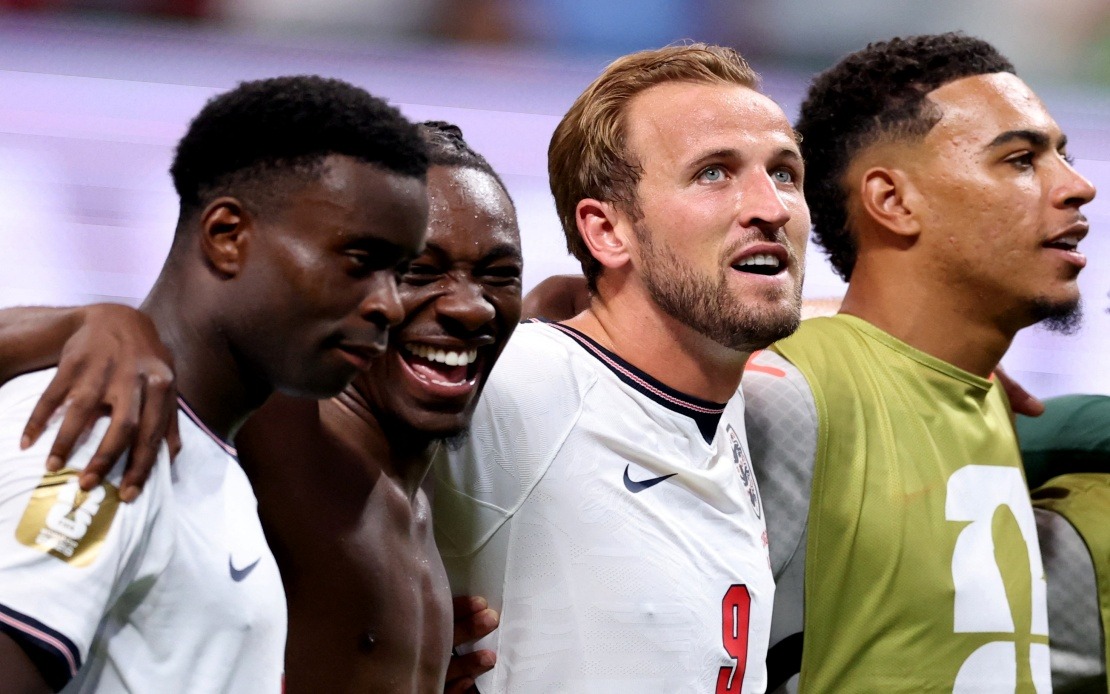
England's World Cup campaign hung by a thread in Atlanta on Wednesday before Harry Kane delivered two crucial second-half goals to salvage a precarious 2-1 victory against the Democratic Republic of the Congo. Thomas Tuchel's side faced the prospect of an early tournament exit after falling behind to Brian Cipenga's early strike, but Kane's decisive brace completed an improbable comeback that sets up a tantalizing encounter with co-hosts Mexico in the round of 32.
The result will do little to ease concerns about England's defensive vulnerabilities and composure under pressure. For long stretches of the match, the Three Lions appeared vulnerable to a genuine upset, providing an uncomfortable echo of their humiliating Euro exit to Iceland a decade earlier. Wednesday's performance demonstrates that despite their status as tournament favourites, Tuchel's squad remains capable of struggling against determined underdogs who are willing to press aggressively and exploit gaps in the English backline.
Congo's inspired performance showcased the danger posed by smaller nations in knockout football. Playing their first-ever World Cup elimination match, they refused to be intimidated by England's pedigree and attacking talent. Their goalkeeper Lionel Mpasi produced several outstanding saves to keep his team in the contest, while their defence repeatedly caught England's defenders in possession, creating dangerous counter-attacking opportunities that could have extended their lead.
England's attacking play lacked the precision and fluidity expected from one of the tournament's stronger sides. Despite dominating large portions of possession, they struggled to break down Congo's organized defensive shape, suggesting that opponents willing to defend deep and remain compact pose a genuine tactical challenge. The team's rhythm felt disrupted, with attacking movements often breaking down before reaching dangerous areas.
Kane's ability to strike when it mattered most showcased his value as a tournament finisher, yet the fact that England required a comeback against Congo raises legitimate questions about their capacity to navigate a potentially difficult path towards the final. The midfielder's clinical finishing in the second half, assisted twice by substitute Anthony Gordon, proved the difference between humiliation and progression.
This represented the first time England had won a World Cup match after conceding first since their legendary 1966 triumph at home, marking an unusual statistic for a side accustomed to controlling matches. The manner of the victory, relying on individual brilliance rather than systemic dominance, contrasts sharply with the controlled performances expected from Tuchel's tactically-astute squads.
Congo's performance, while ultimately unsuccessful, provided genuine evidence of their football's development and the closing gap between established powers and emerging nations. Their willingness to attack in transition and organize defensively suggests that smaller confederations can compete effectively when they maintain discipline and confidence. For African football more broadly, their display demonstrated that knockout football offers opportunities regardless of ranking disparity.
The upcoming Mexico fixture presents a different challenge altogether. The North Americans will be buoyed by home support at the Azteca, though they remain beatable for a England side capable of better performances than Wednesday's laboured display. Mexico's attacking tradition and familiarity with high-pressure knockout environments could test England's concentration and defensive organization further.
For Southeast Asian observers, England's near-miss against Congo carries important lessons about tournament football's unpredictability. The assumption that superior-ranked sides will progress comfortably has been repeatedly challenged at this World Cup, suggesting that emerging football nations can implement tactical sophistication and mental resilience to trouble established powers. Congo's performance demonstrated that organization, intensity, and clinical finishing matter more than reputation when matches reach decisive moments.
Tuchel's post-match perspective will likely focus on his team's character in recovering from adversity rather than celebrating the quality of their football. The coaching staff clearly identified necessary adjustments at half-time, with Gordon's introduction providing the spark that unlocked Congo's defence through direct running and delivery. This flexibility suggests Tuchel possesses the tactical acumen to adjust when initial approaches prove ineffective.
England's journey continues forward, but Wednesday's scare serves as a timely reminder that World Cup success demands consistency, defensive solidity, and mental resilience across multiple matches. Kane's heroics papered over significant cracks in their defensive structure and general cohesion, issues that must be addressed before facing stiffer opposition in advancing stages.

