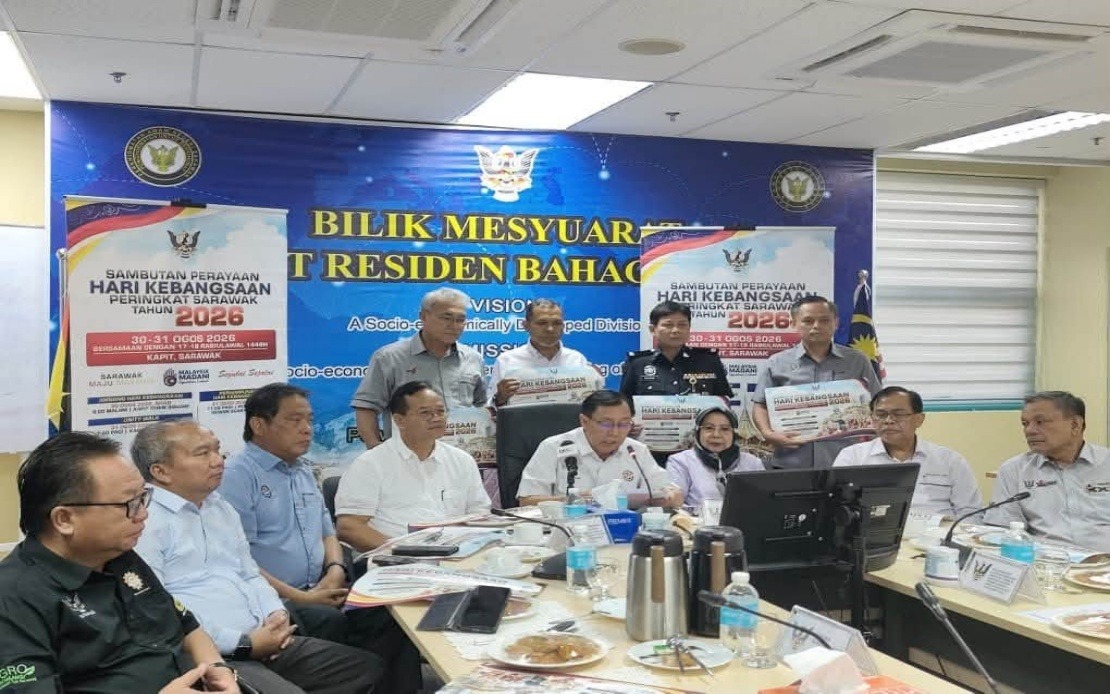
Kapit, a riverside town in central Sarawak, has been selected to host the state's official National Day commemoration on August 30 and 31. The two-day observance represents a significant occasion for the division and surrounding communities, with organisers planning a comprehensive programme intended to cultivate patriotic sentiment, reinforce social cohesion, and deepen residents' connection to the nation.
Datak Seri Dr Stephen Rundi Utom, the Sarawak Food Industry, Commodity and Regional Development Minister and official overseer of the celebrations, outlined the significance of hosting the event in Kapit. The minister emphasised that the commemoration transcends mere ceremonial acknowledgement of Malaysia's independence, instead serving as a tangible opportunity for citizens to express solidarity with one another and acknowledge the sacrifices of previous political leaders who shaped the nation's trajectory. This emphasis on commemorative reflection and collective identity reflects broader trends across Malaysia's states in utilising National Day as a vehicle for national conversation and introspection.
The celebration will draw high-level political participation, with Sarawak Governor Tun Dr Wan Junaidi Tuanku Jaafar and Sarawak Premier Tan Sri Abang Johari Tun Openg expected to grace the proceedings. The presence of these prominent figures underscores the state government's commitment to the event and signals to residents the importance placed on national observance at the highest echelons of Sarawak's political hierarchy. Such participation also provides opportunities for state leaders to connect directly with constituents outside the capital, Kuching, and demonstrate responsiveness to divisional concerns.
Three principal activities have been scheduled across the two days. The National Day Eve celebration will open proceedings at Kapit Town Square on the evening of August 30, establishing the festive atmosphere and anticipation for the following day's main events. This evening programme represents a deliberate choice to involve residents who may be working during daylight hours, maximising participation across different sectors of Kapit's population. The sequencing demonstrates thoughtful event planning that accommodates the rhythms of daily life in a working town.
On August 31 itself, the schedule commences with an early morning Unity Walk at 7 am, a participation-focused activity designed to embody the celebration's central theme of national togetherness. Early morning events of this nature have become popular across Malaysian cities and towns during National Day, offering residents—particularly families and youth groups—an accessible way to engage actively in commemoration rather than merely observing as spectators. The physical act of walking together symbolically reinforces the interconnectedness that national unity celebrates.
Following the Unity Walk, the National Day Gathering will convene at 11 am at the grounds of Dewan Suarah Kapit, serving as the formal centrepiece of the state-level celebration. This venue choice locates the primary ceremony within Kapit's civic infrastructure, anchoring the national occasion within the local community and affirming Kapit's significance within Sarawak's political geography. The morning timing allows for broad participation before typical working hours conclude and enables families to attend before afternoon commitments.
Governor Wan Junaidi has confirmed his attendance at both the Unity Walk and the National Day Gathering, while Premier Abang Johari will participate in the National Day Gathering. This differentiated attendance reflects practical considerations regarding the governors' schedules while ensuring state leadership presence at the primary ceremonial moment. The commitment to attend multiple events demonstrates the seriousness with which Sarawak's political establishment views the occasion.
Public participation remains central to the event's success and messaging. Organisers have extended an invitation to residents of Kapit Division and adjacent areas, creating the expectation of substantial community turnout. The inclusive framing acknowledges that national commemoration derives meaning from widespread citizen engagement rather than elite ceremony alone. By explicitly inviting the public and emphasising inclusivity, organisers signal that the celebration belongs to ordinary residents as much as to political leadership.
Recognising that logistical or personal constraints may prevent some residents from attending in person, organisers have arranged live broadcasting through TVS, Sarawak's state television service, and via official social media channels maintained by the Sarawak Public Communications Unit, known as UKAS. This technological provision democratises access to the celebration, enabling geographically dispersed or mobility-limited individuals to participate from home. The multi-platform broadcasting strategy reflects contemporary expectations regarding government event accessibility and engagement.
The selection of Kapit for hosting Sarawak's state-level National Day celebration carries particular symbolic significance. Kapit, located on the Rajang River in the interior, represents communities somewhat distant from Kuching's urban corridors. Rotating state-level celebrations across different divisions ensures that commemorative moments reach beyond the capital and affirm the importance of regional towns within Sarawak's broader political and social fabric. For Kapit residents, hosting this celebration elevates the town's profile and provides tangible investment in local infrastructure and programming.
From a Malaysian perspective, the planned celebration reflects how individual states orchestrate national observances within their unique political and cultural contexts. Sarawak's devolved systems of governance mean state governments exercise considerable autonomy in shaping how federal occasions are commemorated regionally. The Kapit celebration demonstrates this flexibility, with state ministers directing programming that aligns with local priorities and demographics.
The emphasis on unity, reinforcement of national identity, and honoring historical contributions reflects thematic consistency across Malaysian National Day commemorations. However, the specific programming—the riverside town venue, the early morning walk format, the inclusion of surrounding divisional areas—demonstrates how universal themes adapt to particular local circumstances. Such calibration helps ensure that national occasions resonate authentically with regional communities rather than appearing as generic, top-down impositions.
Looking ahead to late August, Kapit will occupy the centre of Sarawak's national commemoration calendar, with residents and leaders from across the region converging to participate in activities designed to strengthen affective bonds to nation and fellow citizens. The multi-day format, high-level political participation, technological accessibility arrangements, and emphasis on active community involvement suggest that organisers have carefully constructed an occasion intended to be both ceremonially significant and meaningfully participatory for ordinary residents.

