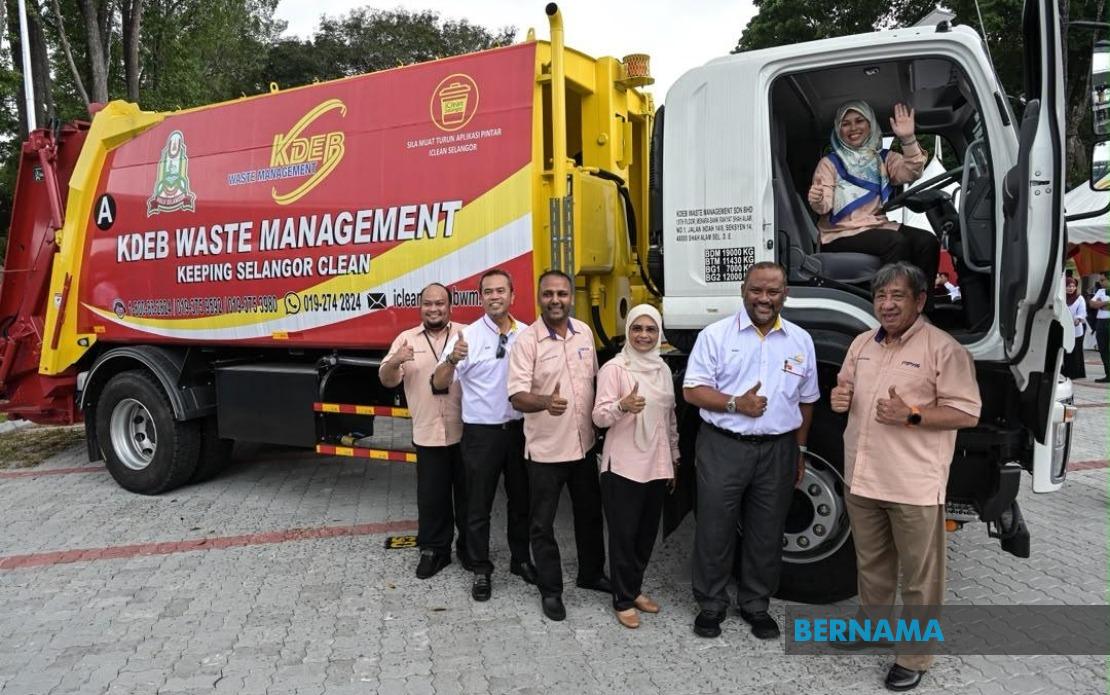
KDEB Waste Management has bolstered its waste collection infrastructure across Hulu Selangor by introducing a fresh fleet of 33 compactor lorries, marking the beginning of a new seven-year operational partnership with the Hulu Selangor Municipal Council (MPHS). The vehicle handover ceremony, held in the district, signals the company's expanded commitment to managing domestic waste as it enters the second decade of its engagement with the local authority, having previously served the municipality since 2018.
The newly deployed fleet comprises a diverse mix of commercial vehicles selected for their capacity and performance specifications. The acquisition includes 18 Isuzu lorries, five Mitsubishi Fuso lorries, and 10 UD Trucks, each equipped with modern compaction technology designed to maximise collection efficiency. According to Datuk Ramli Mohd Tahir, managing director of KDEBWM, this investment reflects the company's strategic approach to meeting the escalating waste management demands of the municipality. The modern specifications built into each vehicle aim to ensure systematic collection operations while maintaining stringent safety protocols and minimising environmental impact throughout the contract period, which extends until June 30, 2033.
The quantifiable increase in waste volumes demonstrates the growing urbanisation and population density within Hulu Selangor. During the previous contract cycle spanning seven years, the municipality's daily waste collection averaged between 100 and 150 tonnes. Following the commencement of the new arrangement, these figures have surged to a range of 150 to 250 tonnes daily, with projections suggesting capacity for 300 tonnes should demand continue its upward trajectory. This expansion underscores the importance of having proportionally scaled infrastructure and capabilities to prevent service degradation or environmental concerns from inadequate collection systems.
The financial arrangement underpinning this partnership reflects a substantial investment in municipal infrastructure. The comprehensive seven-year contract carries a total value of RM117.2 million, translating to annual expenditure of approximately RM16.7 million by MPHS. For Malaysian municipalities, such multi-year waste management contracts represent one of the more significant operational expenditures, yet they remain critical to maintaining public health standards and environmental cleanliness in rapidly growing areas. The scale of investment demonstrates MPHS's prioritisation of waste management as a core municipal function requiring adequate resourcing and professional management.
A significant operational innovation introduced alongside the new fleet is the transition to a door-to-door collection system that commenced on July 1. This systematic approach represents a departure from previous informal or inconsistently scheduled arrangements. Under this new protocol, KDEBWM contractors directly collect refuse from the front of residential properties and business premises according to predetermined schedules. The shift addresses inefficiencies that commonly plague waste collection in developing Asian municipalities, where irregular or unpredictable service schedules can result in accumulation of refuse and associated health hazards.
To support this transition, residents and business operators throughout Hulu Selangor must now comply with standardised waste containment requirements. The municipal authority has phased out the previously used leach bins, replacing them with a requirement that residents procure covered waste bins with a minimum capacity of 120 litres. Each bin must bear identification through house or lot number labelling, reducing confusion during collection and enabling contractors to verify proper placement. These specifications, whilst potentially requiring initial household expenditure, establish uniformity that benefits both collection efficiency and public health outcomes.
Proper waste segregation and containment practices form the cornerstone of the new collection regime. All domestic refuse must be placed in plastic garbage bags, securely tied before disposal into the standardised bins. Critically, bin lids must remain closed at all times, a requirement designed to prevent multiple secondary problems including access by stray animals—a common source of litter dispersal and localised contamination—and water ingress during rain, which creates leachate and generates odour complaints. These seemingly simple protocols, when consistently enforced, substantially reduce environmental degradation and public nuisance typical of inadequately managed waste collection systems.
Beyond residential waste management, MPHS and KDEBWM have established collaborative mechanisms to address industrial waste streams from small and medium enterprises distributed throughout the municipality. Rather than attempting centralised collection of commercial refuse, the authorities have engaged concession panel companies to manage industrial waste removal. This decentralised approach recognises that SME waste streams often differ substantially from household refuse in terms of volume, composition, and regulatory requirements, necessitating specialised handling capabilities that dedicated concession operators can more effectively provide than general municipal services.
The expansion of Hulu Selangor's waste management capacity arrives during a period of significant growth for the municipality. The district, located within Selangor state, has experienced residential and commercial development that has placed increasing strain on historical infrastructure systems. For Malaysian readers and observers across Southeast Asia, the investment in waste management capacity exemplifies how municipalities must anticipate and proactively accommodate growth to prevent service degradation. Cities and towns that fail to upgrade waste infrastructure proportionally to population expansion frequently encounter cascading problems including environmental contamination, public health deterioration, and resident dissatisfaction with municipal governance.
MPHS President Julaiahah Jamaludin's oversight of the new arrangement reflects the municipal authority's direct accountability for service delivery standards. The involvement of senior leadership in publicising the contract commencement and fleet deployment indicates organisational commitment to establishing public awareness regarding changed collection procedures and compliance expectations. For residents unaccustomed to systematic scheduling, clear communication from municipal authorities regarding collection days and proper waste preparation becomes essential to ensuring successful implementation of the new door-to-door system.
The success of this waste management overhaul will ultimately depend on sustained coordination between municipal administrators, the contracted service provider, and resident compliance with prescribed practices. Hulu Selangor's experience provides a instructive case study for other Malaysian municipalities contemplating modernisation of waste collection systems. The integration of modern fleet technology with systematic operational protocols and clear resident communication represents best-practice methodology for scaling waste services in growth areas. As Southeast Asian cities continue rapid urbanisation, replicating elements of this model—standardised containment, scheduled collection, and adequate resourcing—offers pathways to preventing the waste management crises that periodically afflict major regional urban centres.

