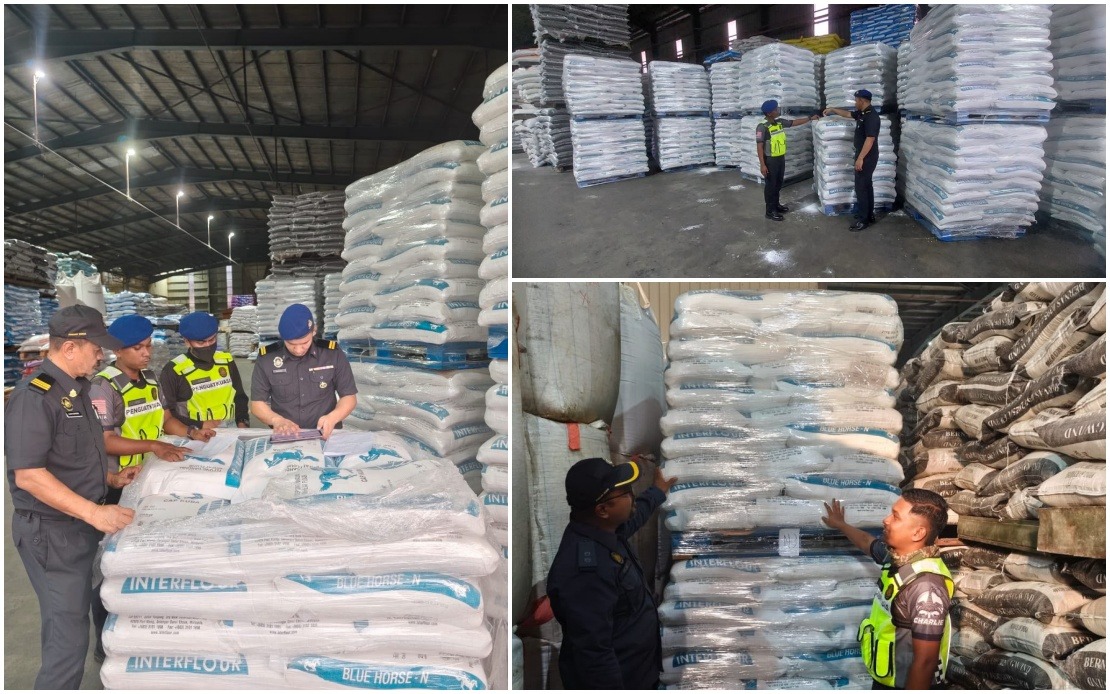
The Ministry of Domestic Trade and Cost of Living's Kedah division has seized a substantial quantity of wheat flour following an enforcement operation at an animal feed processing facility in the Kuala Ketil Industrial Area. The raid, conducted on June 15 at approximately 4.30 pm, targeted what officials suspected was unlicensed storage of the commodity, a restricted activity under Malaysian supply control legislation.
According to Kedah KPDN director Muhammad Nizam Jamaludin, four enforcement officers from the Baling branch executed the inspection, which revealed wheat flour being held at the premises. The investigation uncovered 53,325 kilogrammes of the commodity, with an estimated market value of RM100,251, all of which has been seized pending further investigation. The substantial quantity suggests either significant operational scale or extended storage duration at the facility.
The 25-year-old individual identified as the factory manager was unable to furnish any permit or approval documentation from the Supply Controller, a prerequisite for storing flour in Malaysia. This absence of authorisation forms the crux of the alleged violation, indicating the operation was conducted without compliance to regulatory frameworks governing flour distribution and storage. The manager's failure to produce such documentation during the inspection triggered the enforcement action and subsequent seizure.
The case now falls under investigation pursuant to Section 21 of the Control of Supplies Act 1961, legislation designed to regulate the distribution, storage, and usage of essential commodities. This statutory framework exists to prevent diversion of subsidised goods and maintain supply chain integrity for critical materials. The specific invocation of this act underscores authorities' concerns that the stored flour may have been intended for purposes other than declared animal feed production, or that subsidised supplies were being misappropriated.
For Malaysian businesses operating in food processing, feed manufacturing, and related sectors, this enforcement action carries significant implications. The incident demonstrates that regulators are actively monitoring industrial facilities for compliance with storage and licensing requirements, particularly regarding subsidised commodities. Companies handling flour or similar controlled materials must ensure they possess valid permits from the Supply Controller before maintaining stocks, regardless of intended end-use in manufacturing processes.
The flour subsidy system, while designed to support domestic food production and keep costs manageable for manufacturers, relies on supply chain discipline to function effectively. When authorised permits are absent, authorities cannot verify whether supplies are being diverted to black markets, exported without permission, or otherwise misused. The substantial quantity seized suggests this breach could have had meaningful impacts on intended supply allocation and market pricing if the diversion had continued undetected.
Kedah's KPDN branch has signalled that enforcement will intensify against parties found abusing or diverting subsidised goods. This represents a broader government commitment to protecting the integrity of price control mechanisms and subsidy programmes, which remain economically significant policy tools in Malaysia. As living costs remain a public concern, preventing leakage from these systems becomes increasingly important for policymakers seeking to demonstrate that subsidies reach intended beneficiaries.
The industrial area where this facility operates, Kuala Ketil, hosts numerous manufacturing operations. This enforcement action may prompt other businesses in the vicinity to audit their own compliance with supply control regulations, particularly those handling flour, cooking oil, and other subsidised materials. The visibility of regulatory action serves as a deterrent against similar violations and reinforces expectations for legal compliance across the sector.
For regional context, Malaysia's approach to protecting subsidised commodities reflects broader Southeast Asian patterns of using price controls and supply restrictions to manage inflation and protect consumer purchasing power. However, such mechanisms create opportunities for diversion and black-market activities if enforcement is insufficient. The Kedah operation illustrates how regulators are attempting to close these vulnerabilities through periodic inspections and swift seizures.
The investigation outcome may establish important precedent regarding how authorities treat flour storage violations in feed manufacturing contexts. If the factory operator can demonstrate legitimate production requirements for the stored flour, penalties might be mitigated; conversely, if evidence suggests intentional circumvention of supply controls, sanctions could be severe. The distinction matters for how other manufacturers interpret regulatory expectations and risk assessments around licensing compliance.