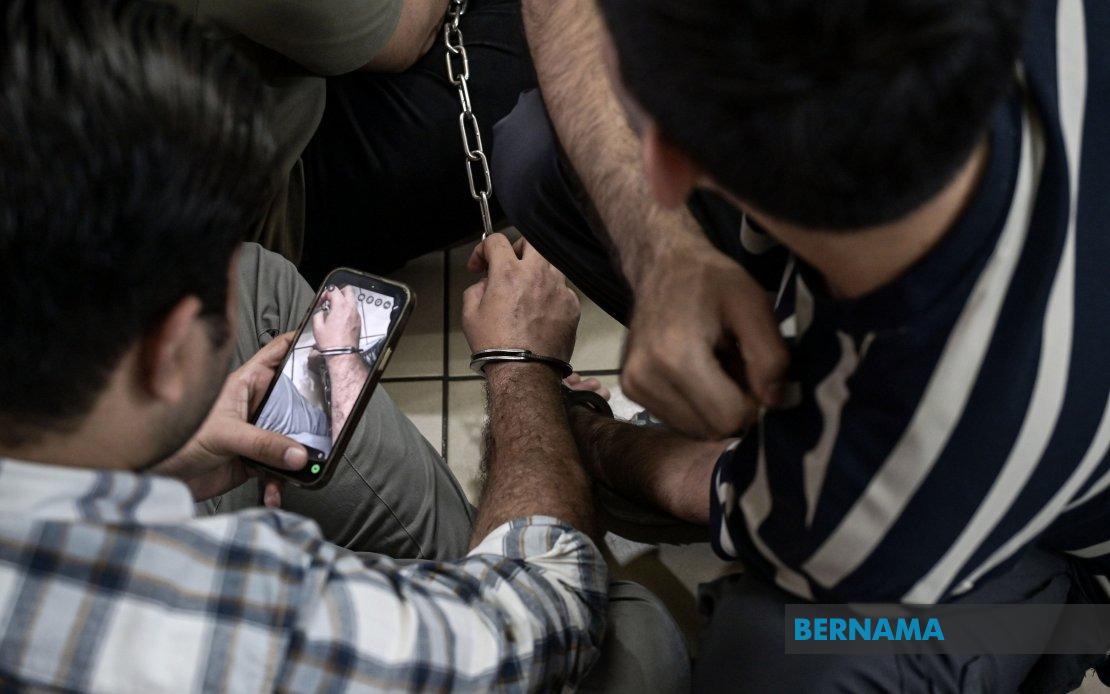
The Kedah Immigration Department has concluded a series of enforcement sweeps that resulted in the detention of 94 foreign nationals suspected of breaching Malaysia's immigration laws. The operations, which spanned multiple locations across the northern state, represent part of ongoing efforts by authorities to identify and apprehend individuals residing in the country without proper documentation or valid travel permits.
According to a statement released by the Kedah Immigration Department, the crackdown was mounted on the strength of gathered intelligence and reports lodged by members of the public. This combination of proactive investigation and community vigilance reflects a broader strategy employed by immigration authorities to maintain border security and enforce compliance with Malaysia's immigration framework. The reliance on public tip-offs underscores the role that ordinary citizens can play in supporting official enforcement efforts.
Across the sweep, immigration officials inspected a total of 22 different premises, encountering approximately 227 individuals in total—a mixture of Malaysian citizens and foreign nationals. Of this broader group, authorities identified 94 foreign nationals deemed to be in violation of immigration statutes. The detainees comprised 84 men and 10 women, indicating that the overwhelming majority of undocumented migrants encountered during the operation were male. This gender imbalance is common in Southeast Asian labour migration, where men predominantly undertake temporary work in construction, manufacturing, and related sectors.
The nationality breakdown of those detained reveals patterns typical of regional labour migration to Malaysia. Among the 94 apprehended individuals, 45 were Bangladeshi nationals, 26 were from Myanmar, 18 were Indonesian citizens, and five held Pakistani passports. This distribution reflects the established migration corridors that feed workers into Malaysia's informal economy, particularly from poorer regions of South and Southeast Asia where employment opportunities and wage differentials create powerful incentives for risky border crossings and undocumented work.
The premises subjected to inspection encompassed diverse locations commonly associated with undocumented labour in Malaysia. Construction sites, worker housing known locally as kongsi houses, commercial establishments, and private residences across five districts—Sungai Petani, Kepala Batas, Jitra, Bukit Kayu Hitam, and Langkawi—were targeted. These localities represent both urban areas with active development and more rural regions where construction activity and agricultural work attract migrant labour. Langkawi's inclusion suggests authorities are also addressing undocumented migration in tourism-related zones.
The detainees ranged in age from 18 to 59 years old, indicating that the enforcement action captured migrants at various stages of their working lives. Immigration authorities alleged that those detained had committed offences under the Immigration Act 1959/63 and associated regulations, with specific violations including unauthorised entry or remaining in Malaysia without valid travel documents, residence permits, or work passes, as well as breaching the conditions attached to any permits they may have held. Such violations form the legal basis for detention and potential deportation under Malaysian immigration law.
Beyond the 94 detentions, immigration officials also issued six Notices to Appear as a Witness, formally designated as Form IMM.29, to individuals encountered during the operations. These notices suggest that certain individuals possess information relevant to ongoing investigations into immigration offences or smuggling networks. The issuance of witness notices indicates that authorities view the enforcement action as part of a broader investigative effort rather than a one-off roundup, potentially opening avenues to dismantle organised networks facilitating undocumented migration.
Following their apprehension, all detainees were transported to two processing facilities: the Belantik Immigration Depot in Sik and the Langkawi Immigration Depot. At these facilities, the migrants underwent standard documentation procedures, additional investigation, and assessment to determine appropriate follow-up action. Such processing typically includes identity verification, determination of immigration status, and consideration of whether individuals will face prosecution, payment of fines, or deportation. For some detainees, the process may result in temporary detention pending the outcome of legal proceedings or arrangement of transport to their home countries.
The enforcement operation highlights the persistent challenge Malaysia faces in managing undocumented migration across its porous borders and through its ports of entry. Despite regular crackdowns and the threat of legal consequences, economic disparities between Malaysia and its poorer neighbours continue to draw migrants seeking employment and improved livelihoods. The concentration of detainees from Bangladesh, Myanmar, and Indonesia reflects how proximity and established migration networks create pathways for labour movement that existing border controls have struggled to fully arrest.
For Malaysian policymakers and enforcement agencies, such operations represent necessary but ultimately reactive responses to migration pressures. The reliance on intelligence and public reports indicates that traditional enforcement methods—physical inspections of suspected employment locations—remain the primary mechanism for identifying undocumented migrants. More comprehensive approaches addressing root causes of migration, improving work permit accessibility, and enhancing coordination with source countries may offer longer-term solutions, though such measures remain contentious given Malaysia's economic dependence on migrant labour and the political sensitivities surrounding immigration policy.

