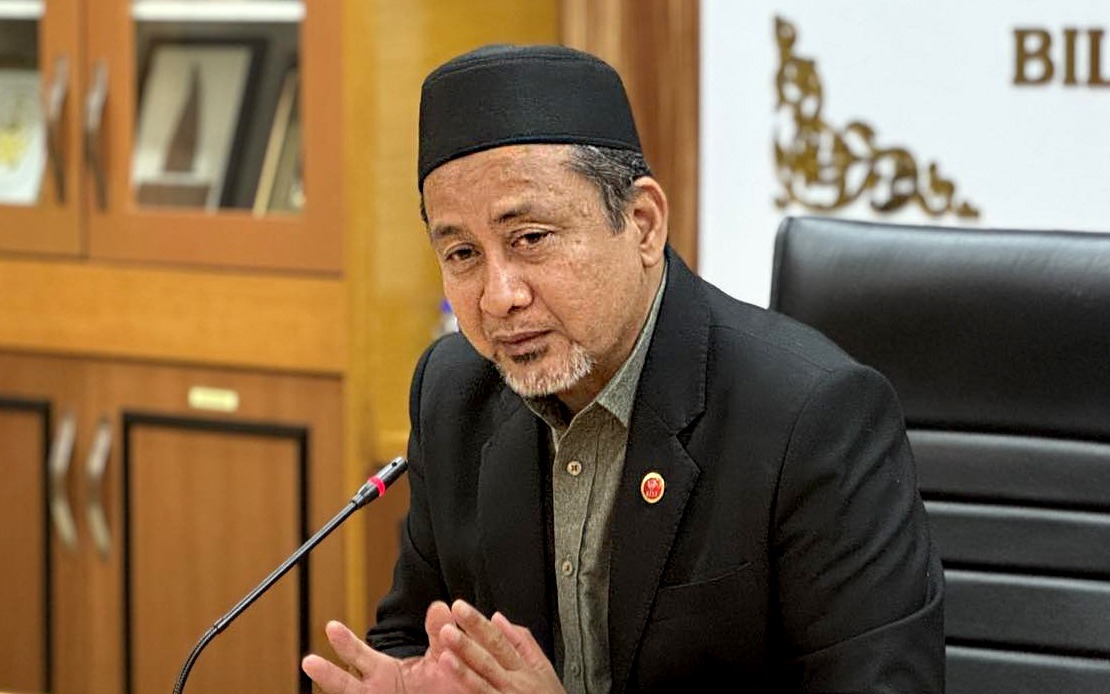
Kelantan has rolled out a comprehensive support system combining educational finance and athletic development, with the state's sports council coordinating education loans and scholarships through Yayasan Kelantan Darulnaim (YAKIN) for athletes enrolled at public universities. The initiative represents a policy pivot toward recognising that sustained sporting achievement requires parallel academic progression, reflecting broader Southeast Asian trends in athlete welfare and career longevity.
Zamakhshari Muhamad, chairman of the state's Youth, Sports, NGOs and Community Unity Committee, framed the initiative as integral to the Kelantan government's long-term vision of athletic development. Rather than treating sport and education as competing priorities, the programme acknowledges that academic credentials provide essential security for athletes whose competitive careers may be curtailed by injury, age, or shifting performance levels. This dual-track approach positions Kelantan ahead of many Malaysian states that have traditionally separated athletic and educational investment.
The financial architecture includes direct scholarships for students demonstrating academic excellence at the SPM and STPM levels, rewarding those who combine sporting talent with classroom performance. By incentivising strong examination results, the scheme encourages athletes to maintain rigorous study habits even during intense training schedules. Educational loans administered through YAKIN extend access beyond top-performing students, ensuring that financial constraints do not force athletes to choose between higher education and sports commitment.
Beyond tuition support, the Kelantan Sports Council operates a multi-layered welfare system designed to address athletes' holistic needs. Monthly allowances distributed through the Imtiyaz programme provide income security during training phases when competition earnings remain uncertain. Dedicated funding for domestic and international competition participation ensures that financial barriers do not prevent athletes from accessing competitive opportunities that build experience and reputation. The provision of sports equipment and nutritional supplements recognises that performance optimisation requires investment in physical resources that extend beyond coaching expertise.
The programme's risk mitigation components distinguish it from purely performance-focused sports funding. Coverage for costs arising from natural disasters, accidents, marriage, and bereavement acknowledges that athletes' lives extend beyond their sporting roles. This welfare dimension reduces economic vulnerability during personal crises, a consideration particularly important in a state where many athletes come from modest backgrounds. Such provisions lower the psychological burden athletes carry, potentially improving both sporting performance and academic focus.
Kelantan's approach reflects collaborative governance, with implementation involving the National Sports Council, state-level education and youth departments, and both public and private tertiary institutions. This multi-stakeholder structure creates multiple accountability points and ensures that athlete welfare concerns are integrated into broader educational and youth development policy frameworks. The inclusion of private institutions alongside public universities expands pathways for athletes whose competitive schedules might complicate attendance at traditional government universities.
For Malaysian athletes generally, the Kelantan model offers a template addressing a persistent structural challenge: the shortage of sustainable career pathways beyond elite professional sport. Most Malaysian athletes compete in sports with limited professional infrastructure, making education-backed career planning essential. By institutionalising support for educational advancement, Kelantan reduces the precarity that often forces athletes to abandon studies during peak competitive years, decisions that leave them educationally disadvantaged when athletic careers conclude.
The timing of the initiative reflects evolving attitudes toward athlete development across Southeast Asia. Regional competitors including Thailand and Vietnam have expanded educational provisions for promising sports talent, creating competitive pressure for Malaysian states to match these investments or risk talent migration. Kelantan's proactive stance helps retain local athletic talent while signalling commitment to athlete welfare standards increasingly expected by international sports organisations and athlete advocacy groups.
Implementation challenges will test the programme's effectiveness. Coordination between sports councils and educational institutions requires sustained administrative effort, as do individual assessments of athlete eligibility and loan repayment capacity. Athletes must navigate dual demands of academic study and training schedules, and the programme's success ultimately depends on institutional flexibility from universities in accommodating athletes' competition calendars. Tracking long-term outcomes—whether supported athletes successfully complete degrees and transition into stable careers—will reveal whether the investment achieves its stated goals.
Zamakhshari's expressed hope that the facilities will catalyse excellence across sports, education, and personal development encapsulates an ambitious vision of athlete development transcending narrow performance metrics. This perspective recognises that athletes who feel genuinely supported and invested in as whole persons likely demonstrate greater resilience, focus, and commitment than those experiencing purely transactional relationships with sporting organisations. The psychological and motivational dimensions of comprehensive support programmes deserve equal weight to financial and logistical considerations.
For Kelantan specifically, the initiative positions the state as an emerging centre of athlete welfare innovation within Malaysia. This distinction carries economic and reputational value, potentially attracting talented young athletes from other states seeking superior support structures. As Malaysian states compete for athletic talent and sporting success, the quality of support extended to athletes increasingly functions as a competitive advantage comparable to coaching expertise or facilities quality.
The programme's success will ultimately be measured not merely by the number of athletes receiving loans and scholarships, but by longer-term indicators: graduation rates, employment outcomes, and whether supported athletes feel genuinely valued as developing individuals rather than mere performance assets. If implemented with genuine commitment to athlete welfare, the Kelantan initiative could establish benchmarks that influence national sports policy development and shift conversations about athlete support from peripheral budget considerations to central strategic priorities across Malaysian sports governance.

