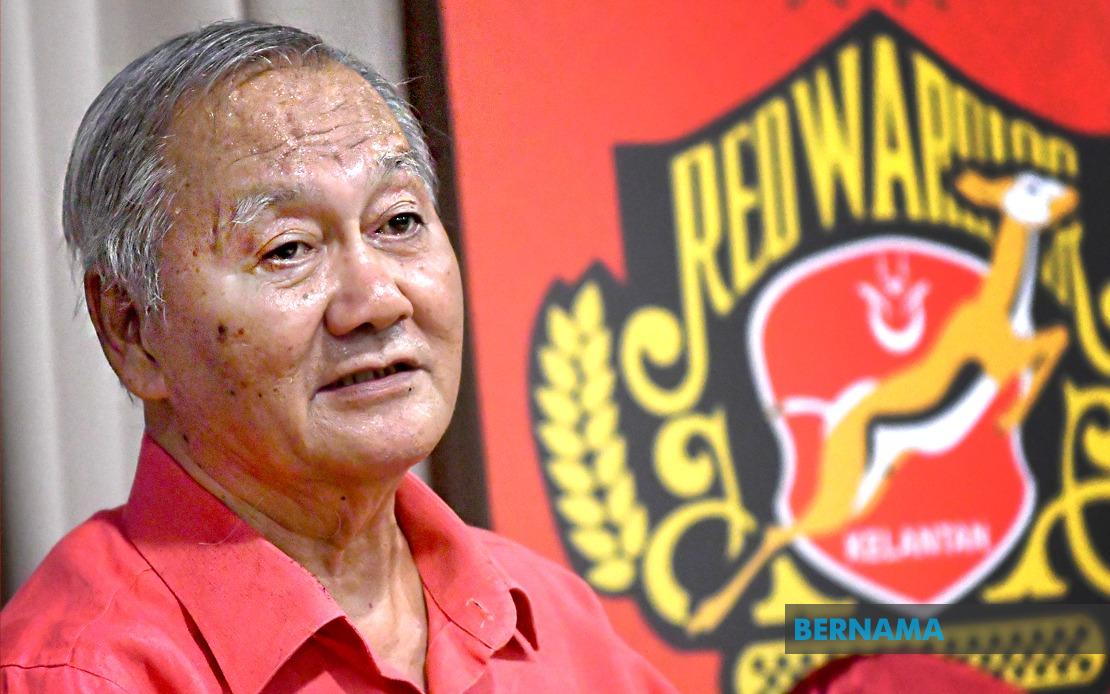
Kelantan Red Warriors (KRW) FC have put their recruitment plans on temporary hold as the newly promoted side grapples with unresolved administrative and technical issues that must be cleared before the club can strengthen its squad for the upcoming Super League campaign. Speaking in Kota Bharu, head coach Irfan Bakti Abu Salim acknowledged that while the team's overall preparations were progressing satisfactorily, the inability to register new players represented a significant constraint on preparations for the significantly more demanding competition ahead.
The club's ascent to the Super League, achieved through merit-based promotion from the A1 Semi-Pro League, marks a milestone moment for the Kelantan-based outfit. However, this achievement has been tempered by the emergence of internal obstacles that have forced management to reassess its immediate priorities. Rather than rushing into a flurry of signings that could distract from resolving underlying structural issues, the club has elected to address these matters comprehensively first, a decision that reflects strategic thinking about long-term stability.
Irfan Bakti emphasised that the club remains committed to mounting a competitive challenge in the Super League but acknowledged that certain prerequisites must be satisfied before progress can be made on the player acquisition front. The technical impediments have proven sufficiently complex that they cannot be resolved in parallel with the transfer window, necessitating a sequential approach to problem-solving. This pragmatic stance, while frustrating in the short term, may ultimately serve the club better than attempting simultaneous overhauls.
The coaching staff is continuing to work with the existing roster of 18 to 20 players currently on the books, using this period constructively to evaluate squad capabilities and identify precisely where reinforcements will be needed once the registration restrictions are lifted. This approach transforms what could be viewed as idle time into a productive diagnostic phase, allowing the technical team to develop a more targeted and efficient recruitment strategy when circumstances permit.
According to the coach, the management structure is devoting considerable effort to resolving the outstanding matters that have precipitated the recruitment freeze. The club's commitment to fulfilling all regulatory requirements for Super League participation underscores the seriousness with which these issues are being treated. Competition in Malaysia's top division carries significantly higher standards for club infrastructure, governance, and compliance compared to the semi-professional tier from which KRW has just ascended.
The transition to the Super League represents a qualitative jump that extends beyond the quality of opponents faced on the pitch. Clubs must demonstrate financial stability, proper administrative systems, and comprehensive compliance with league regulations to maintain their status. For KRW, ensuring these foundational elements are solid before embarking on expensive player acquisitions demonstrates mature management thinking, even if supporters might be eager for immediate squad enhancement.
Irfan Bakti expressed optimism that the issues would be resolved in the near term, suggesting that management has a clear timeline and action plan for addressing the problems. This confidence, shared publicly, indicates that the obstacles are not insurmountable and that club leadership has identified concrete pathways to resolution. The coach's willingness to discuss these challenges transparently also reflects a culture of accountability within the organisation.
For Malaysian football observers, the KRW situation exemplifies the growing pains that characterise clubs achieving promotion through competitive merit rather than established institutional advantage. The Kelantan side has proven they can compete at a higher level on the field, but administrative capacity must now match playing capability. This is a common pattern in Southeast Asian football, where rapidly ascending clubs frequently encounter governance bottlenecks that can hinder their progression.
The suspension of recruitment activity creates uncertainty for the coaching staff regarding the final squad composition for the season, but it also provides an opportunity to assess existing talent more thoroughly. Some established clubs use pre-season periods to gradually build understanding among squad members, and KRW can leverage their recruitment pause to develop cohesion and tactical synchronicity with current players. When new signings eventually arrive, they will join a better-integrated unit.
Once the management issues are resolved and the player registration ban is lifted, KRW's recruitment department will face a crowded marketplace with numerous other clubs also seeking to strengthen their squads. The delay in entering this market could mean that certain target players have already been claimed by competitors, necessitating strategic flexibility in the club's acquisition plans. This dynamic could ultimately shape the composition and balance of the squad that takes the pitch next season.
The broader context of KRW's situation reflects the structural challenges facing Malaysian football clubs operating outside the established powerhouse institutions. Smaller clubs that achieve promotion face the dual challenge of upgrading their infrastructure and competitive capabilities simultaneously, straining limited resources and management capacity. The transparency with which Irfan Bakti has articulated these challenges may serve as a catalyst for industry-wide discussions about better supporting newly promoted clubs through their transition phases.

