%22%2F%3E%3C%2Fpattern%3E%3C%2Fdefs%3E%3Crect%20width%3D%22100%25%22%20height%3D%22100%25%22%20fill%3D%22url(%23ph405a3g)%22%2F%3E%3Crect%20width%3D%22100%25%22%20height%3D%22100%25%22%20fill%3D%22url(%23ph405a3p)%22%2F%3E%3Ctext%20x%3D%2250%25%22%20y%3D%2250%25%22%20text-anchor%3D%22middle%22%20dominant-baseline%3D%22central%22%20fill%3D%22rgba(255%2C255%2C255%2C0.95)%22%20font-family%3D%22Georgia%2C%20'Times%20New%20Roman'%2C%20serif%22%20font-weight%3D%22700%22%20font-size%3D%22170%22%20letter-spacing%3D%22-0.02em%22%3EKelantan%3C%2Ftext%3E%3C%2Fsvg%3E)
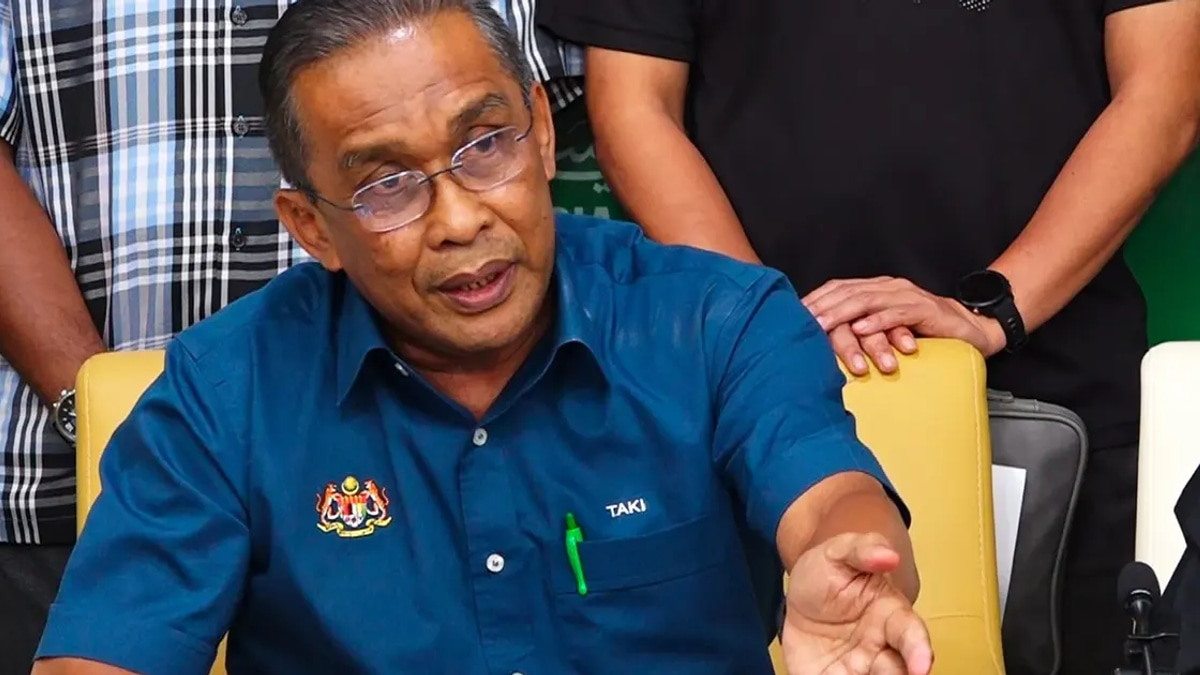
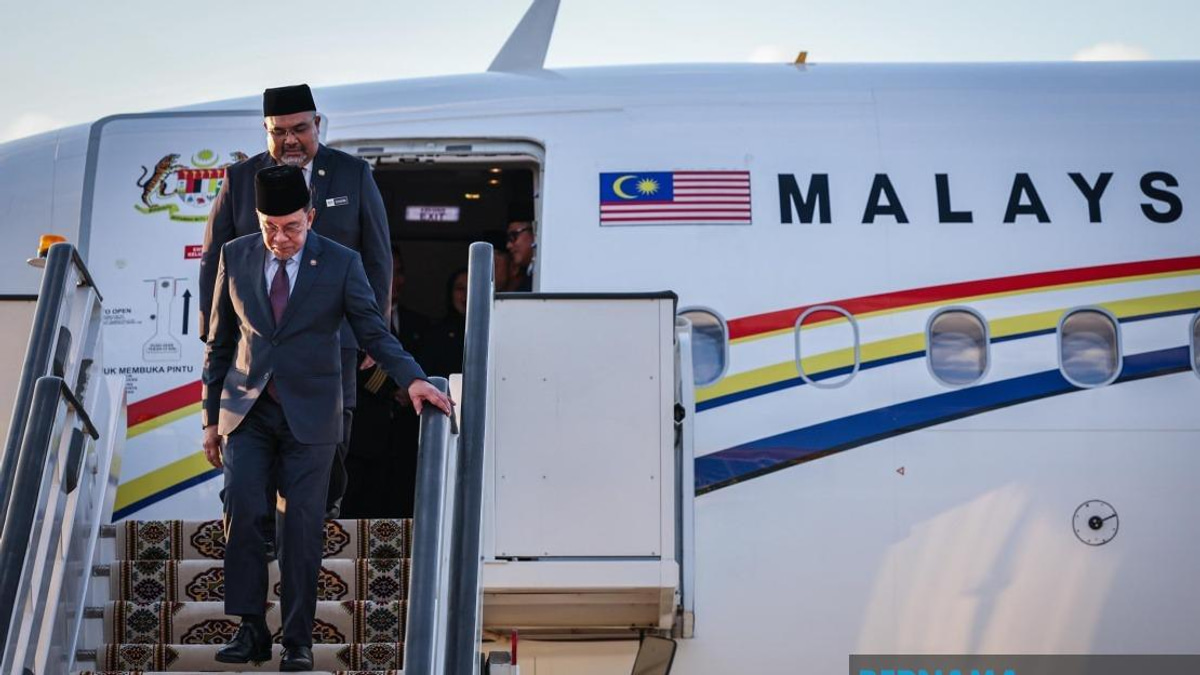
The Regent of Kelantan, Tengku Muhammad Fakhry Petra, received Minister of Foreign Affairs Zahid Hamidi during an official visit to Kota Bharu on June 17, marking a significant engagement between state leadership and the federal government. The bilateral meeting brought together two senior officials at a time when Malaysia's northern states face mounting challenges from digital misinformation and social governance issues that increasingly shape public discourse and administrative effectiveness.
Among the principal matters on the agenda was the growing menace of fake social media accounts operating in Kelantan's digital sphere. The proliferation of fraudulent online identities has become a regional concern across Malaysia, with state governments grappling to verify legitimate channels of communication and distinguish official pronouncements from fabricated content. Kelantan, as a politically significant state with active grassroots engagement, has experienced particular difficulties in maintaining information integrity across platforms where residents seek news and government updates.
The discussion reflected broader anxieties within Malaysian governance structures regarding digital authenticity and online governance. Fake accounts impersonating government officials, public institutions, and community leaders have undermined public trust and created confusion about authentic policy announcements. For Kelantan specifically, where state-federal dynamics carry historical and political weight, the ability to communicate clearly through verified channels carries heightened importance for both resident assurance and intergovernmental coordination.
Beyond the digital realm, the meeting encompassed wider current issues confronting Kelantan's administration and society. Though specific details of these broader discussions remained undisclosed, such high-level engagements typically address infrastructure development, economic initiatives, federal-state relations, and social welfare matters. The visit underscored the importance of direct dialogue between Putrajaya and state capitals in resolving longstanding concerns and aligning policy objectives.
The reception itself carried symbolic weight, demonstrating the Regent's commitment to maintaining institutional channels of communication with federal leadership despite any underlying political dynamics. Tengku Muhammad Fakhry Petra's willingness to engage directly with the Foreign Affairs Ministry signals a pragmatic approach to governance that prioritizes practical problem-solving over political positioning.
For Malaysian readers and observers in the region, this meeting exemplifies how state-level governance now incorporates digital governance as a core administrative concern. The rise of misinformation has forced traditionally hierarchical institutions to adopt new communication strategies and collaborate across levels to combat false narratives. Kelantan's experience reflects patterns emerging throughout Southeast Asia, where rapid social media adoption has created governance gaps.
The involvement of the Foreign Affairs Ministry in domestic governance matters also hints at the increasingly interconnected nature of modern statecraft. Digital security, information integrity, and online governance now intersect with external relations considerations, particularly as misinformation sometimes carries cross-border dimensions or international implications.
For Kelantan specifically, addressing fake accounts requires coordinated efforts involving state information technology resources, federal cybersecurity expertise, and cooperation with social media platforms. The meeting likely explored mechanisms for enhanced cooperation and resource-sharing in verification systems and content moderation frameworks.
The discussion between Fahmi and Tengku Muhammad Fakhry Petra also reflected the broader Malaysian challenge of maintaining coherent messaging in an increasingly fragmented information environment. Government bodies at all levels compete with non-official sources for audience attention and credibility, making verified communication channels essential infrastructure for effective governance.
Looking forward, such engagements may catalyze broader institutional reforms in how Malaysian states approach digital governance. Kelantan's proactive engagement with federal authorities on this matter could establish precedents for other states facing similar challenges, potentially leading to standardized protocols for account verification and misinformation response across Malaysia.
The meeting also underscored the reality that contemporary governance extends beyond traditional policy domains into the digital sphere, requiring elected officials and institutional leaders to develop new competencies and strategic frameworks. As Malaysia continues navigating rapid technological change, high-level discussions like those between the Kelantan Regent and the Foreign Affairs Minister represent essential institutional adaptation to emerging governance challenges in the digital age.