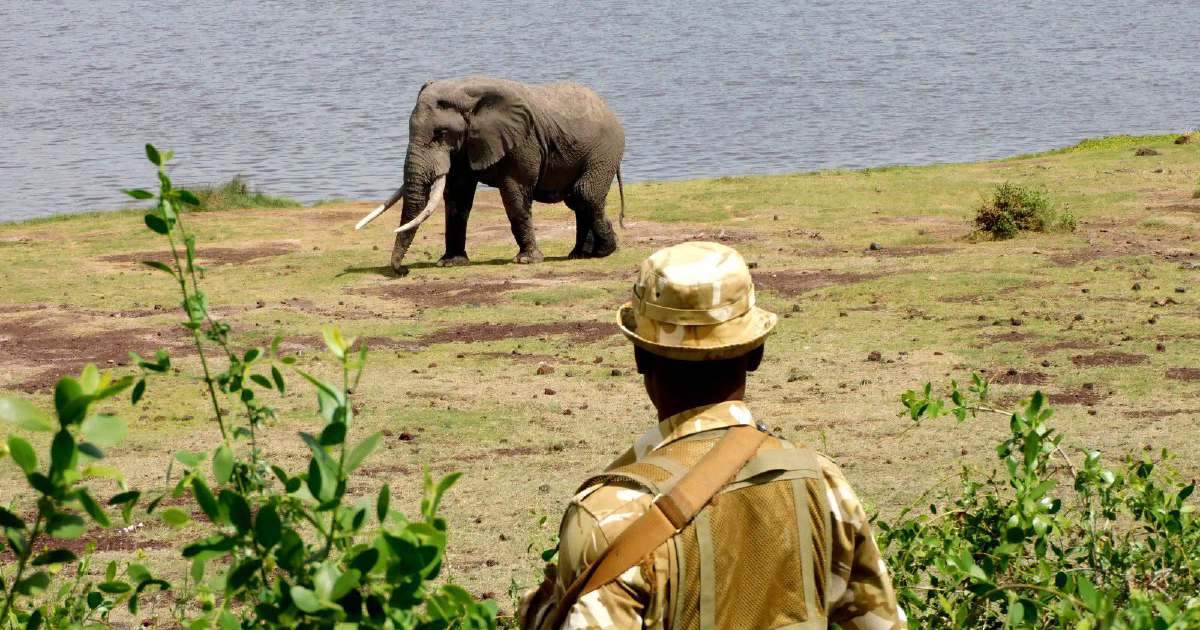
Kenya's wildlife authorities have initiated a formal inquiry into a disturbing surge in elephant mortality at Amboseli National Park, where 15 of the animals died within a single month. The Kenyan Wildlife Service confirmed the investigation on Tuesday, signalling deep concern over the unexplained nature of the deaths and their potential implications for the park's elephant population.
Amboseli National Park, situated in southeastern Kenya near the border with Tanzania, ranks among Africa's most significant elephant habitats and serves as a crucial stronghold for the species across the continent. The park's elephant population has long been monitored by researchers and conservationists, making any sudden mortality event particularly alarming. The loss of 15 individuals represents a substantial depletion from what is already a vulnerable population contending with habitat pressures and human-wildlife conflict in the broader region.
The timing of these deaths within a compressed timeframe suggests a common underlying cause rather than isolated incidents. Authorities are exploring multiple hypotheses, which typically include disease outbreaks—such as anthrax or herpes virus—poisoning, contaminated water sources, or other environmental factors. Understanding the root cause is essential not only for the immediate management of Amboseli's elephant herds but also for broader conservation efforts across Kenya and neighbouring countries in the East African region.
This mortality event underscores the persistent vulnerabilities facing elephant populations even within protected areas. While poaching remains a substantial threat to African elephants, natural causes and disease can pose equally devastating impacts on concentrated populations. The investigation's findings could have wider resonance for wildlife managers across Southeast Asia and Africa who oversee elephant sanctuaries and national parks, as mortality patterns in one location often signal emerging threats elsewhere.
Amboseli's significance extends beyond its ecological value. The park attracts international tourists and contributes substantially to Kenya's conservation revenue, making economic stability contingent on maintaining healthy wildlife populations. A severe decline in elephant numbers could undermine both the park's biodiversity credentials and its financial viability, affecting the local communities whose livelihoods depend on tourism activities.
The investigation will likely involve necropsy examinations of deceased animals to determine cause of death, water quality testing, forage analysis, and review of recent veterinary records. Coordination between the Kenyan Wildlife Service and international conservation partners with expertise in elephant pathology may prove crucial to reaching a swift diagnosis. Time is of particular importance, as identifying the cause quickly could prevent further losses and inform emergency interventions.
For Malaysian and Southeast Asian observers, this incident carries instructive value regarding wildlife management challenges. While Asian elephant populations face distinct pressures—including habitat fragmentation and human-elephant conflict in agricultural regions—disease management and environmental monitoring are universal conservation concerns. Malaysia's own elephant herds, particularly in Peninsular Malaysia and Borneo, could benefit from lessons learned from Kenya's investigation, especially regarding early detection systems and rapid response protocols.
The incident also highlights the importance of long-term monitoring programmes and baseline health data for elephant populations. Parks with established research partnerships and comprehensive record-keeping are better positioned to detect anomalies and respond appropriately. This underscores why countries with significant elephant populations should invest in scientific infrastructure and wildlife surveillance systems that can identify emerging threats before they become catastrophic.
Beyond the immediate investigation, this event raises broader questions about the capacity of protected areas to safeguard wildlife against emerging environmental and biological challenges. As climate change alters rainfall patterns and grazing conditions, and as human populations encroach further on wildlife habitats, elephants face mounting pressures that extend beyond traditional conservation threats. Amboseli's investigation may reveal whether these novel challenges are now materialising on the ground.
The Kenyan Wildlife Service's prompt acknowledgement and investigation of the deaths reflects a professional approach to wildlife crisis management. Transparency about such incidents, even when causes remain unclear, builds public confidence and enables collaborative problem-solving. For Malaysia's Department of Wildlife and National Parks, such openness represents a model worth emulating when confronting wildlife mortality events affecting elephants or other protected species.
Results from the Amboseli investigation are expected to inform wildlife management strategies not only in Kenya but potentially across the broader East African region. Should the deaths prove attributable to disease, other parks may implement prophylactic measures. If poisoning or contamination is confirmed, authorities can pursue targeted interventions. The investigation's outcome will thus extend far beyond Amboseli itself, shaping how parks across Africa and Asia approach elephant population health and security in the years ahead.

