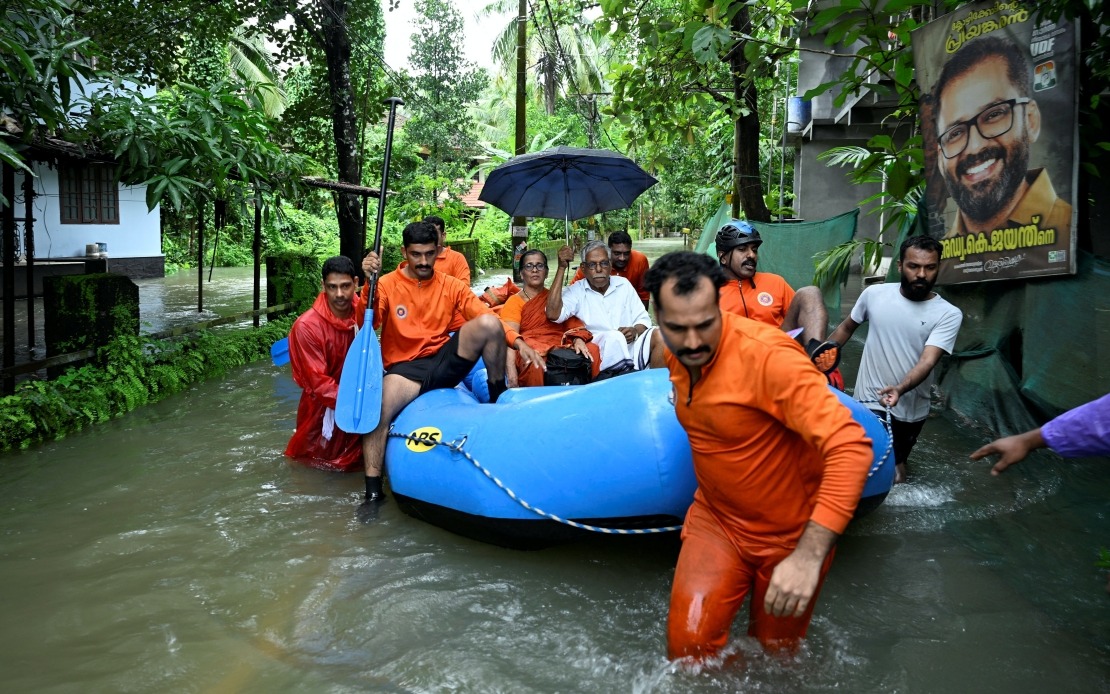
The monsoon crisis engulfing Kerala has deepened significantly, with authorities confirming 26 fatalities linked to rainfall-related disasters across the southern Indian state. Chief Minister V D Satheesan disclosed the grim toll during a media address on Wednesday following discussions on the unfolding emergency, underscoring the scale of devastation unleashed by unusually intense downpours that have pummelled the region since early August.
Beyond the confirmed deaths, the disaster has touched thousands more. Medical facilities across Kerala are treating 11 injured individuals, while rescue teams continue searching for four missing persons believed to be caught in flooding or landslide zones. The human cost extends far beyond casualty figures, as entire communities have been uprooted from their homes and livelihoods disrupted across multiple districts.
The displacement figures paint a sobering picture of the monsoon's destructive reach. Approximately 27,048 residents have been forced from their homes, transforming Kerala's disaster management infrastructure into a massive humanitarian operation. To accommodate this displaced population, state authorities have activated 462 relief camps functioning simultaneously across different regions, providing emergency shelter, food, and medical assistance to those left homeless by the deluge.
Chief Minister Satheesan unveiled a comprehensive relief package targeting families bearing the brunt of this natural calamity. The compensation scheme offers enhanced payments for deceased family members, destroyed dwellings, and damaged personal property, representing the government's attempt to ease the financial burden on affected households during the recovery phase. Such measures acknowledge the long-term economic hardship monsoon disasters inflict on ordinary citizens already struggling with seasonal vulnerability.
The agricultural sector has sustained particularly severe damage in a region where farming communities depend heavily on seasonal rainfall for cultivation. Official surveys reveal crop destruction across 1,882 hectares of farmland, directly impacting 23,537 farming families whose annual harvests constitute their primary income source. This agricultural devastation threatens food security in affected areas and will likely ripple through rural economies for months as farmers assess losses and plan recovery strategies.
Meteorological forecasts suggest the crisis will persist through mid-August. The India Meteorological Department elevated its alert status to orange for Wednesday, indicating heavy rainfall remained imminent across multiple regions. The departmental bulletin predicted widespread precipitation would continue affecting Kerala, coastal Karnataka, and Telangana from August 5 through August 11, meaning relief operations cannot yet wind down and communities should anticipate further disruptions.
Northern Kerala bore the initial brunt of this monsoon system. The high-range areas of Kozhikode and Kannur districts experienced relentless downpours beginning August 1, triggering cascading natural hazards including flash floods and mountainside collapses. The mountainous terrain characteristic of these northern districts amplifies rainfall hazards, as water accumulating on elevated slopes generates dangerous debris flows and floods that sweep through valleys with tremendous force.
Two major complications continue hampering recovery efforts across the state. Floodwaters have not yet receded from most low-lying districts and urban areas, maintaining conditions that restrict movement, contaminate water supplies, and complicate relief distribution. Simultaneously, numerous houses remain partially or fully inundated, trapping residents in unsafe conditions and preventing families from salvaging possessions or returning to normal routines. This prolonged waterlogging extends the acute emergency phase and heightens disease risks through waterborne illness outbreaks.
For Malaysian observers monitoring regional disaster management, Kerala's crisis demonstrates the escalating monsoon risks confronting South Asian regions sharing similar tropical climates and geographical vulnerabilities. The scale of displacement—over 27,000 people—and the rapid activation of 462 simultaneous relief camps underscores how contemporary monsoon events can overwhelm even well-resourced state administrations. Similar meteorological patterns periodically threaten Malaysian states, particularly those experiencing inter-monsoon conditions, making Kerala's experience instructive for examining warning systems, evacuation protocols, and relief coordination mechanisms.
The agricultural impact warrants particular attention for Southeast Asian policymakers. The documented destruction of crops across nearly 1,900 hectares, affecting nearly 24,000 farming families, illustrates how climate-driven weather extremes increasingly jeopardise food systems in agricultural communities. This pattern mirrors vulnerabilities affecting farming regions throughout Malaysia and neighbouring countries, where seasonal weather fluctuations can trigger rapid shifts from irrigation benefits to catastrophic losses.
The immediate trajectory remains uncertain, contingent on whether the forecast heavy rainfall materializes as predicted through mid-August. Continued precipitation would sustain flooding, prevent floodwater recession, and potentially trigger additional landslides in saturated mountainous terrain. Conversely, if rainfall diminishes below forecasted levels, water levels should gradually decline, enabling displaced persons to return home and normalcy to gradually resume, though recovery infrastructure needs will persist for months.
Keeper's coordination of relief operations—involving 462 camps, emergency medical services, and compensation frameworks—demonstrates the institutional capacity required for managing contemporary mega-disasters affecting tens of thousands simultaneously. Yet this response also reveals how even well-administered states struggle when natural hazards exceed certain thresholds, suggesting that adaptation and risk reduction investments deserve heightened priority across the monsoon-prone regions of South and Southeast Asia.

