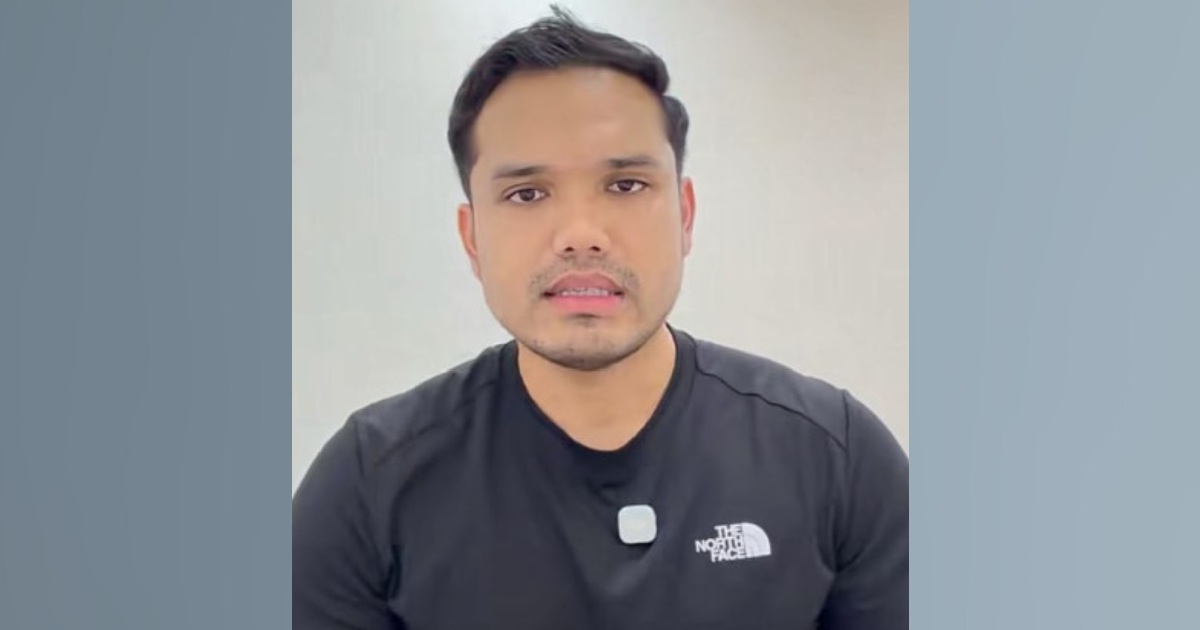
Khairul Aming, a high-profile influencer and successful business entrepreneur in Malaysia, has voiced serious concern following the unauthorised disclosure of his private phone bill information on the internet. The digital exposure has left him unsettled, as personal financial communications typically remain confidential between customers and their service providers.
The incident represents a troubling erosion of privacy boundaries for content creators and entrepreneurs who maintain substantial public profiles. Unlike traditional celebrities whose personal lives have long been subject to public scrutiny, digital influencers often operate in a grey zone where their online presence and offline privacy should remain distinctly separate. The breach of such fundamental personal data challenges this fragile equilibrium and raises uncomfortable questions about how accessible sensitive consumer information has become.
Malaysia's digital landscape has seen repeated instances of data leaks affecting both ordinary citizens and prominent figures. These breaches typically occur through multiple vectors including compromised databases, insider threats within service provider companies, or social engineering tactics employed by individuals with malicious intent. The telecommunications sector, which manages vast repositories of customer billing information, remains particularly vulnerable to such security lapses despite regulatory expectations for data protection.
The timing and mechanism of how Khairul Aming's phone bill details surfaced remain unclear, with authorities and the relevant service provider presumably investigating the source of the leak. The identity of the individual or group responsible for releasing this information has not been disclosed, though such incidents sometimes stem from disgruntled employees, opportunistic hackers, or individuals engaged in corporate espionage or personal harassment campaigns.
For Malaysian influencers and celebrities, this incident underscores the asymmetrical risks they face in an interconnected digital economy. Their prominence makes them attractive targets for various forms of cyberattacks, data theft, and privacy violations. Unlike conventional privacy concerns that might affect the general population, public figures attract heightened attention from malicious actors seeking leverage, information for blackmail purposes, or simply notoriety through compromising a recognisable name.
The breach carries implications beyond Khairul Aming's individual circumstances, signalling systemic vulnerabilities within Malaysia's telecommunications infrastructure and data handling practices. Companies entrusted with sensitive customer information face ongoing pressure to strengthen security protocols, implement encryption standards, and conduct regular security audits. The regulatory framework governing data protection, while present, must be sufficiently robust and enforced to deter both external attackers and internal misconduct.
Malaysian regulatory bodies including the Personal Data Protection Act enforcement mechanisms and the Malaysian Communications and Multimedia Commission should intensify efforts to establish clearer accountability standards for telecommunications providers. Service providers must demonstrate proactive measures rather than reactive responses once breaches occur. This includes staff training on data handling, rigorous access controls, and transparent incident reporting procedures that inform affected customers promptly and comprehensively.
The psychological toll on individuals whose private information becomes public knowledge should not be underestimated. Privacy violations extend beyond the tangible risk of information misuse; they constitute a violation of personal boundaries and dignity. For a public figure like Khairul Aming, the exposure of financial communication details feels particularly invasive, as such information could potentially be weaponised for reputational damage or used to construct false narratives about his business dealings and personal circumstances.
Consumers across Malaysia might reflect on their own data exposure risks in light of this incident. Many service providers collect extensive information about billing patterns, call histories, data usage, and payment methods. This aggregated data becomes increasingly valuable and therefore increasingly targeted by those seeking to exploit it. Individuals should remain vigilant about securing their personal accounts through strong authentication methods and regularly monitoring their financial records for suspicious activity.
The incident also highlights the responsibility that platforms and publishers bear when handling potentially sensitive or leaked information. Editorial decisions about whether to amplify, investigate, or suppress leaked data involve ethical considerations beyond mere newsworthiness. Balancing the public interest against individual privacy rights remains a persistent challenge for media organisations in Malaysia and throughout Southeast Asia.
Moving forward, the telecommunications sector must recognise that safeguarding customer data is not merely a technical obligation but a fundamental business responsibility that affects consumer trust and confidence. Enhanced transparency regarding security measures, faster breach notification timelines, and genuine investment in cybersecurity infrastructure should become industry standards rather than exceptions.
The broader ecosystem surrounding digital influencers and entrepreneurs must also evolve to acknowledge and address unique vulnerabilities faced by these individuals. Platform providers, telecommunications companies, and relevant government agencies should collaborate on frameworks that protect public figures from targeted attacks without compromising legitimate transparency or accountability. Until such protections materialise, incidents like Khairul Aming's phone bill leak will continue exposing the precarious state of personal data security in Malaysia's digital economy.

