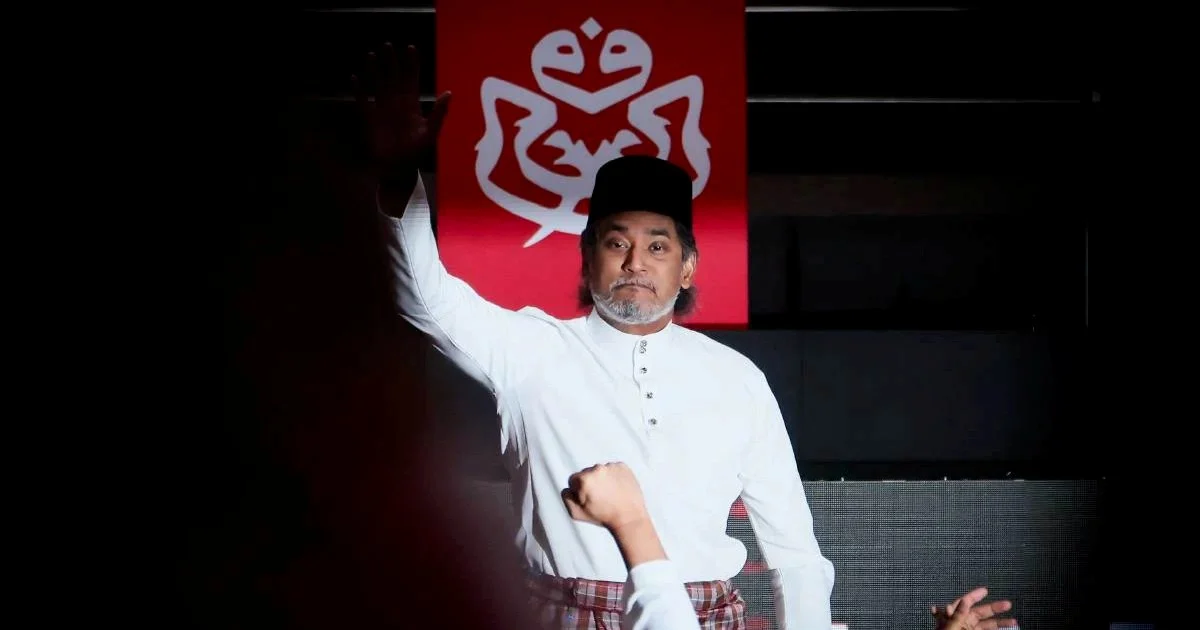
Khairy Jamaluddin, who previously represented Rembau in parliament, has chosen to step back from personally determining his political future in the upcoming Negri Sembilan state election scheduled for August 1. The decision to delegate this choice to Umno's senior leadership reflects broader patterns within Malaysia's largest Malay-Muslim political party as it navigates complex internal dynamics and state-level electoral calculations ahead of the contest.
This move by the former federal politician underscores the intricate interplay between individual political ambitions and party machinery that characterises Malaysian electoral politics. For Khairy, who has previously held prominent positions within Umno and the federal government, deferring to party leadership could be interpreted as either a strategic positioning manoeuvre or an acknowledgement of the party's authority over candidate selection processes at the state level. The timing of such a decision, with elections now imminent, suggests that senior party figures remain in active deliberation about how to optimally deploy their available candidates across contested seats.
Negri Sembilan, a state that has historically been politically competitive, presents particular strategic importance for Umno as the party seeks to maintain or strengthen its position ahead of the August 1 polling day. The composition of Umno's candidate slate across the state will significantly influence the party's performance and potentially its bargaining power in any post-election coalition negotiations. Khairy's background as a former parliamentarian and his public profile could make him an asset in either a high-profile constituency contest or potentially in other party strategic roles during the campaign period.
The deferential approach taken by Khairy also reflects evolving protocols within Umno regarding candidate selection following various internal reforms and attempts to streamline decision-making processes. By explicitly leaving the matter to party leadership rather than announcing his candidacy or withdrawal independently, he avoids potential friction with party hierarchy while maintaining his political viability. This calculated restraint suggests awareness that unilateral candidate announcements have occasionally created tensions within Umno's ranks, leading to complications during campaign periods.
For Malaysian political observers, this development carries implications for understanding how traditional political parties balance individual member aspirations with institutional needs. Khairy's willingness to cede this decision to party leadership contrasts with more aggressive candidate pursuit strategies sometimes seen in Malaysian politics, where aspiring politicians occasionally force their nominations through grassroots pressure or direct appeals to voters. His approach represents a more institutionalist perspective on party hierarchy and discipline.
The Negri Sembilan election itself carries significance beyond the state's borders. As one of Malaysia's smaller states by population, electoral outcomes here can influence broader perceptions of Umno's organisational strength and appeal to Malay-majority constituencies. The party's candidate selection strategy will therefore reflect not merely local considerations but also national political positioning as Umno competes with rival coalitions and manages its position within the Barisan Nasional framework.
Umno's leadership, now tasked with deciding Khairy's electoral fate, faces competing pressures. They must balance maintaining party unity, deploying candidates efficiently across competitive seats, and managing relationships with other Barisan Nasional parties who may have their own claims on certain constituencies. Any decision regarding Khairy will inevitably signal messages about the party's current priorities and the relative standing of different factional interests within Umno's structure.
The August 1 election date itself has been the subject of discussion within Malaysian political circles, with questions about timing, campaign duration, and voter readiness all factoring into broader state political calculations. For candidates and parties alike, this timeline has compressed decision-making processes, leaving less room for extended deliberation about candidate strategies. Khairy's decision to defer therefore arrives at a moment when the party leadership requires clarity to finalise nomination papers and campaign planning.
For Negri Sembilan voters and observers tracking state-level politics, Khairy's potential participation or absence could influence electoral dynamics in ways that extend beyond his specific candidacy. Former parliamentarians often bring voter recognition and organisational experience to state contests, resources that smaller states particularly value. His eventual placement—whether as a state candidate, campaign surrogate, or in some other role—will affect how various constituencies and demographic groups perceive Umno's commitment to the August 1 contest.
This development also reflects broader Malaysian political realities where individual politicians frequently navigate between federal and state political spheres, with their trajectory in one arena affecting opportunities and constraints in others. Khairy's transition from federal parliament to potentially entering state politics, should party leadership approve, represents the kind of career navigation common among Malaysian politicians seeking to remain politically active across different governance levels.