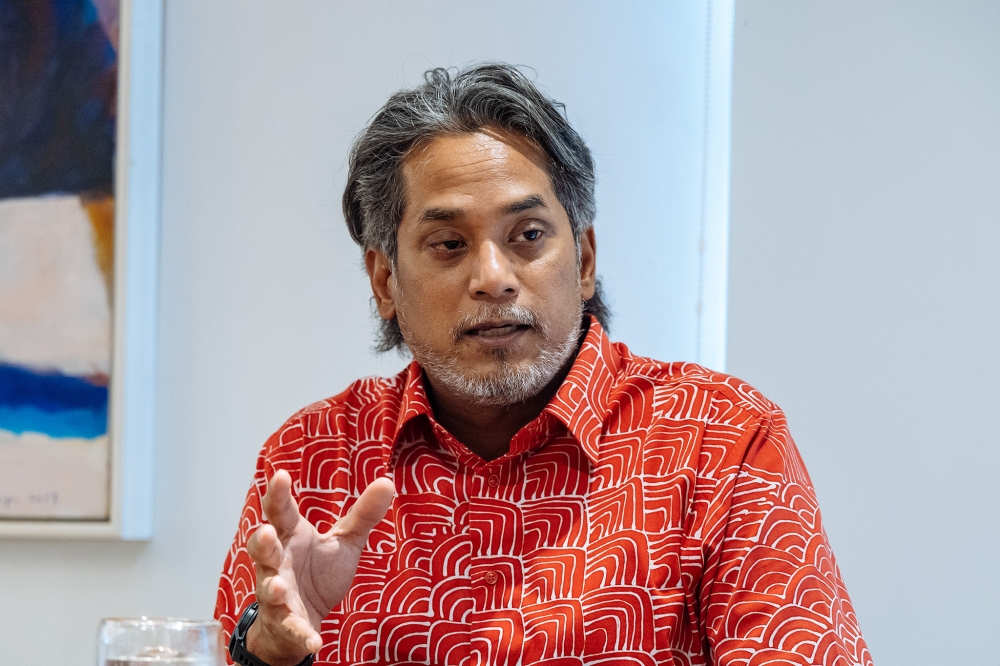
Khairy Jamaluddin, the former Umno Youth chief who stepped away from frontline politics following the party's electoral losses, is being actively considered by Barisan Nasional for a state assembly seat in Rembau, Negeri Sembilan, according to political sources. The move represents a significant shift in his political trajectory and could mark a substantial comeback for one of Umno's younger generation leaders who had previously maintained a lower public profile in recent years.
Rembau, a traditional Umno stronghold in the state, presents a strategic platform for Jamaluddin's re-entry into electoral politics. The constituency has historically been contested between Barisan Nasional and opposition parties, and securing it would provide the former youth movement leader with a clear pathway into the Negeri Sembilan state assembly. Such a position would position him within the political structures that determine state-level leadership, where executive authority and legislative influence converge.
What makes this development particularly significant is the emerging suggestion that Jamaluddin could be positioned not merely as a state assemblyman, but as Barisan Nasional's candidate for the Menteri Besar position itself. This progression would represent a notable leap in ambition, transforming what might otherwise be a conventional comeback into a bid for the highest executive office in Negeri Sembilan. The Menteri Besar role carries substantial influence over state resources, policy direction, and patronage networks that extend beyond the legislature.
The timing of these discussions aligns with Barisan Nasional's broader efforts to strengthen its hold on Negeri Sembilan and to consolidate its position across peninsular Malaysia. The coalition has been actively strategising ahead of the next state elections, and the selection of candidates has become increasingly important to demonstrate renewed energy and appeal to voters. Jamaluddin's profile as an educated, English-speaking political figure with established connections within Umno could address the coalition's broader messaging challenges in an increasingly competitive electoral landscape.
Jamaluddin's potential candidacy also reflects internal Umno recalibrations following its electoral reversals. The party has been attempting to project a renewed image, and his involvement in electoral contests could signal to the party's base that established leaders remain committed to electoral competition rather than remaining sidelined. His academic credentials and relatively young political profile differentiate him from some traditional regional power brokers, potentially offering Barisan Nasional a different appeal to urban and younger voters who might otherwise default to opposition parties.
The Rembau constituency itself deserves careful consideration in understanding why it has been selected for this possible candidacy. Located within Seremban district, the area encompasses both urban and rural populations, giving any successful candidate considerable influence over diverse voter interests. The seat's historical alignment with Barisan Nasional provides a solid foundation, though opposition parties have successfully mobilised support there in recent election cycles, creating genuine competition that would require a figure with established credentials and organisational capacity to defend.
For Negeri Sembilan specifically, the political implications are substantial. The state has experienced shifts in coalition strength, and the Menteri Besar position carries responsibility for a state with significant economic importance, including manufacturing, palm oil production, and tourism. A Jamaluddin-led administration would potentially bring different priorities and management styles compared to previous administrations, particularly given his background in youth politics and advocacy work prior to his parliamentary career.
The broader Southeast Asian context matters here as well. Malaysia's political system remains fluid, with coalitions shifting and reforming based on electoral outcomes and intra-party developments. Jamaluddin's potential return from political dormancy reflects the uncertainty in Malaysian political dynamics, where former significant figures occasionally re-emerge to contest for power through alternative constituencies or approaches. His move, if confirmed, would represent one data point among many tracking how Malaysian politics continues to evolve post-2018 and beyond.
However, several factors remain uncertain. Barisan Nasional has not formally announced its candidate slate for the forthcoming Negeri Sembilan elections, and internal discussions about candidate selection are often subject to last-minute adjustments based on local considerations, demographic shifts, or emerging political circumstances. The candidacy would also need to be validated through Umno's internal selection processes, which can themselves be sites of significant factional competition and negotiation.
The potential appointment of Jamaluddin as a Menteri Besar candidate would also require consensus within Barisan Nasional's broader coalition structure. While Umno typically dominates state politics in Negeri Sembilan, other coalition partners maintain positions and expectations within any governing arrangement. Ensuring broader coalition backing would be essential to any formal announcement of Jamaluddin's candidacy for the top state post.
For Malaysian political observers and voters in Negeri Sembilan, the Jamaluddin development signals that Barisan Nasional is actively recruiting from its bench of established figures to address electoral vulnerabilities. Whether this translates into actual candidate nomination and electoral success remains to be determined, but the consideration itself demonstrates the coalition's continuing effort to refresh its political offerings while drawing on familiar party names and established networks.

