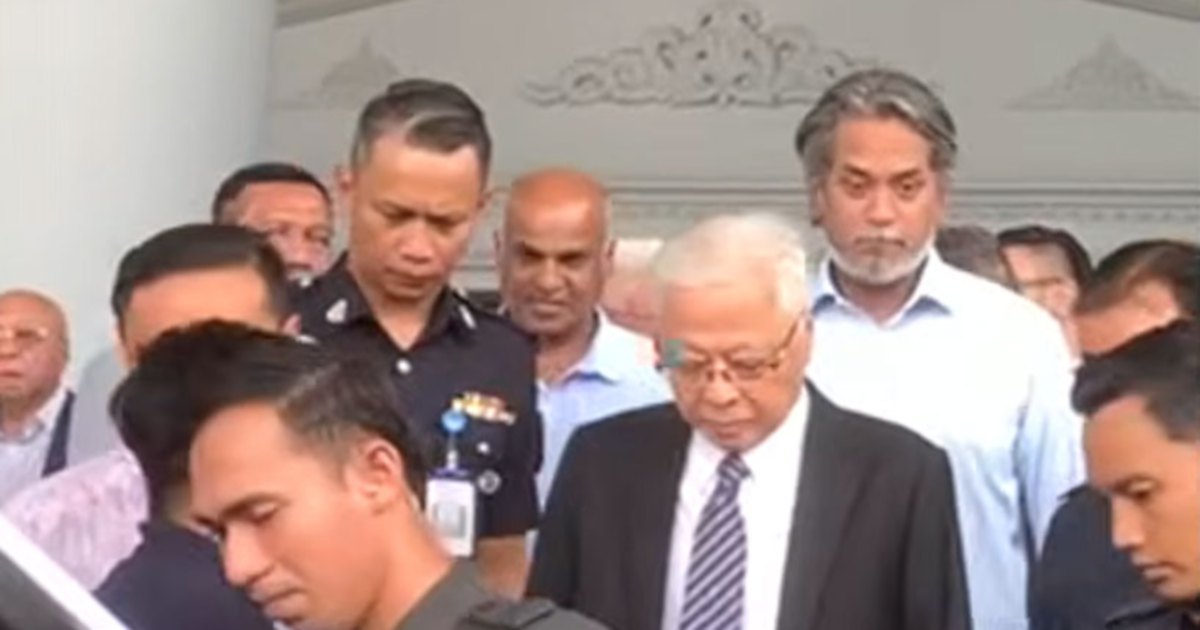
Former Umno Youth chief Khairy Jamaluddin's appearance at the Kuala Lumpur Court Complex today during charge proceedings involving Datuk Seri Ismail Sabri Yaakob has become a focal point of discussion among political observers, underscoring the significance of high-level party solidarity in Malaysia's current political landscape.
The sight of Khairy in the courthouse corridors represents more than mere attendance at a legal proceeding—it carries symbolic weight within Umno's internal dynamics at a moment when the party's leadership and direction remain subjects of intense scrutiny. His decision to be present during the former premier's court appearance reflects the intricate web of relationships and alliances that continue to define Malaysian politics, particularly within the country's largest Malay-Muslim political party.
Ismail Sabri's legal challenges have drawn significant attention given his former position as Prime Minister, a role he held from August 2021 to November 2022. The court appearance marks another chapter in what has proven to be a challenging period for the former leader, whose tenure concluded amid shifting political coalitions and internal party maneuvering. The specifics of the charges being heard would typically dominate headlines, yet the presence of prominent party figures has equally captured public interest.
Khairy's attendance carries particular resonance given his own trajectory within Umno and the broader Malaysian political ecosystem. As a former Youth leader and noted party intellectual, his positioning has evolved considerably through successive administrations and factional realignments. His choice to publicly demonstrate support at such a visible venue sends signals about his stance on current party matters and potential divisions that may persist within Umno's ranks.
The optics of senior figures appearing together at court proceedings have become increasingly significant in Malaysia's political culture, where public statements and gestures often communicate as much as formal announcements. Such appearances can indicate factional unity, signal future political alignments, or demonstrate personal loyalty that transcends current organizational structures. For observers tracking Umno's internal coherence, Khairy's presence provides tangible evidence of how various party heavyweights are positioning themselves during periods of legal and political stress affecting senior members.
The court complex itself has become a regular venue for high-profile political proceedings, reflecting the intersection of Malaysia's legal system with its political dynamics. These public judicial moments, witnessed by media representatives and political observers, inevitably become part of the broader political narrative rather than purely legal matters confined to the judicial sphere.
Ismail Sabri's continued legal proceedings remain part of larger conversations about accountability, governance, and how Malaysian political transitions have unfolded in recent years. Multiple former leaders and senior figures have faced legal scrutiny as administrations have changed, creating a complex backdrop against which current political moves are evaluated. The question of who appears to support whom at such moments becomes analytically relevant for understanding coalition-building and factional dynamics within the country's major political parties.
For Umno specifically, managing perceptions of party unity while individual members navigate the legal system represents an ongoing challenge. The party must balance its institutional identity and public messaging with the reality that senior figures may face various legal proceedings. How prominent members respond through visible acts of solidarity—or their absence—communicates subtle but meaningful messages about party direction and personal allegiances.
The attendance of figures like Khairy also reflects practical realities in Malaysian politics, where social hierarchies and networks of obligation continue to function regardless of official positions. Former roles, generational connections, and mentor-protégé relationships often transcend formal organizational boundaries, particularly within established political structures like Umno that have deep historical roots and complex internal traditions.
Moving forward, observers will likely continue scrutinizing which political figures attend such proceedings and what their presence or absence might signify. These courtroom appearances, while serving the legal purpose of addressing specific charges, simultaneously function as moments of political theater where alliances are demonstrated and positions are staked. For Malaysian political analysts, understanding these undercurrents remains essential to deciphering the country's increasingly intricate political architecture and the networks that bind its leadership together despite periodic tensions and transitions.

