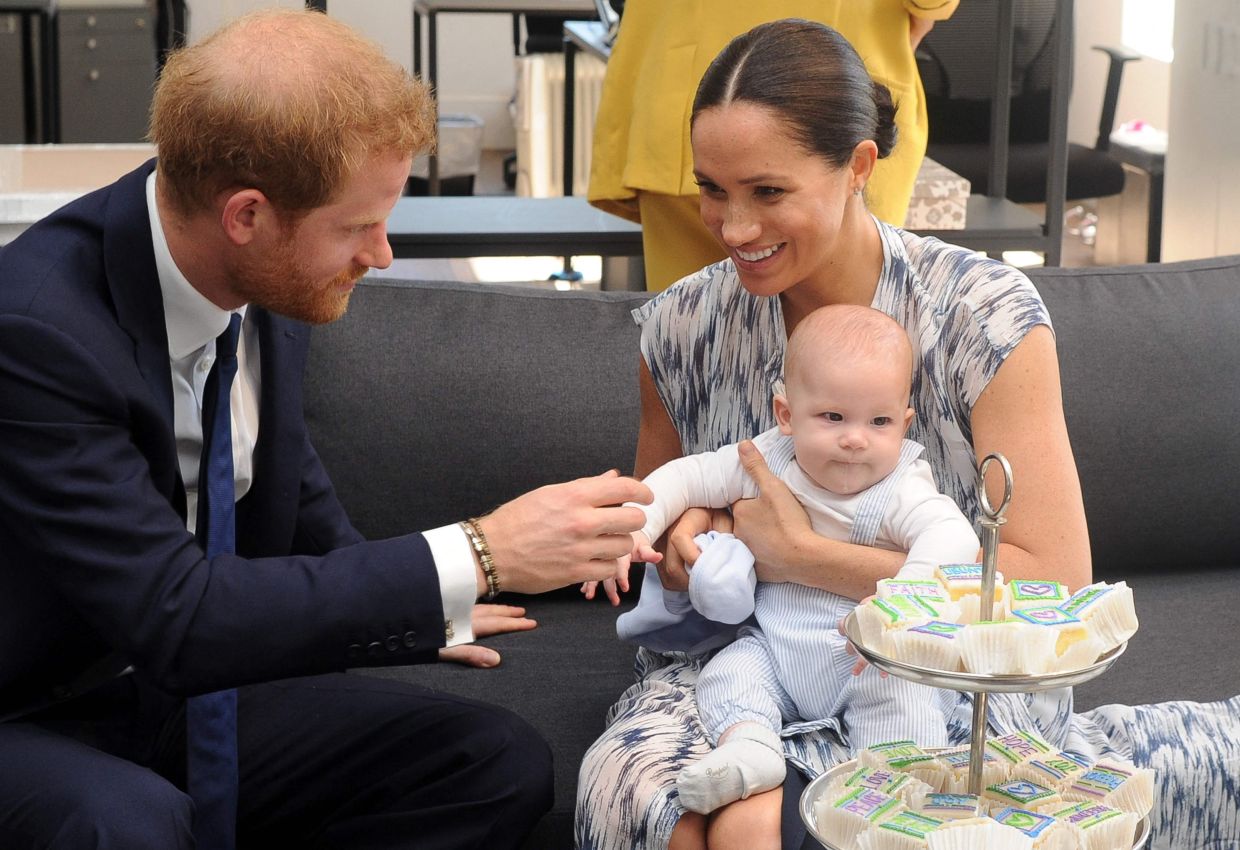
The British Royal Family moved closer to healing a deep rift when King Charles III received Prince Harry, Meghan and their children at Highgrove House, a private country estate west of London. The gathering marked a notable turning point in relations between the monarch and his youngest son, coming six years after Harry and Meghan departed the royal court and relocated to California to establish independent careers away from the scrutiny of the British press and public life.
The meeting brought together four generations under one roof for the first time in years. Joining King Charles and Queen Camilla were Prince Archie, aged seven, and Princess Lilibet, aged five, the two children born to the Duke and Duchess of Sussex during their California years. Buckingham Palace's confirmation of the visit signalled an official acknowledgement that dialogue between the warring branches of the House of Windsor had resumed, despite years of acrimony that had played out across international media coverage and legal proceedings.
Prince Harry had travelled to Britain on July 6 ostensibly to participate in various charitable engagements, though the prospect of a family reunion quickly dominated public discourse. The British media spent weeks speculating whether Harry would secure an audience with his father, and whether Meghan and the children would make the transatlantic journey. Such conjecture reflected the genuine uncertainty that had characterised royal-Sussex relations, with previous meetings between Harry and Charles occurring only briefly and requiring considerable diplomatic effort to arrange.
The timing constraints surrounding the reunion underscored the logistical complexities involved in reuniting a fractured family divided by geography and estrangement. The royal household operates according to schedules planned years in advance, leaving little flexibility for spontaneous family gatherings. Meanwhile, Prince Archie and Princess Lilibet faced the imminent return to their California school term in autumn, creating a narrow window for the visit to occur. These practical limitations had heightened the urgency of the moment and intensified behind-the-scenes negotiations between Harry's representatives and royal officials.
Tension had erupted just days before the successful meeting when palace officials initially extended an invitation for Harry to lodge at Buckingham Palace, only to withdraw the offer when the prince failed to confirm his acceptance within the expected timeframe. The episode illuminated the fragility of recently restored communications channels and the procedural rigidity that sometimes characterises palace operations. Such bureaucratic friction would have appeared almost trivial were it not emblematic of deeper wounds that had accumulated over years of recrimination and hurt feelings.
The family estrangement had deepened considerably following Harry and Meghan's exit from royal duties in 2020 and their subsequent relocation to California. The couple pursued lucrative agreements with streaming platforms and publishers, developing media ventures that afforded them financial independence from the Crown. However, this transition away from institutional constraints also created opportunities for the couple to articulate their grievances against the monarchy in ways previously unimaginable for serving members of the royal family.
Harry's 2023 memoir became a flashpoint for family tensions, containing unflattering portrayals of various royals alongside serious allegations regarding the monarchy's relationship with the tabloid press. The prince specifically accused Queen Camilla of leaking private family conversations to journalists in exchange for positive media coverage of herself during her rehabilitation period following her decades-long relationship with Charles before he became king. These revelations strained the King's patience and created lasting resentment among other family members who felt betrayed by Harry's willingness to air internal matters publicly.
Paralleling the literary controversy, Harry had pursued an extensive legal campaign against British tabloid publishers whom he accused of systematic privacy violations and invasive newsgathering practices. His determination to confront these media organisations through the courts reflected a personal crusade that had alienated him from family members who viewed his litigation strategy as counterproductive to reconciliation efforts. Just days before his visit to Highgrove, Harry suffered a significant judicial setback when a judge rejected his privacy claims against a major newspaper publisher, further complicating the emotional landscape surrounding the family reunion.
Yet Harry had consistently expressed a desire to mend relations with his 77-year-old father, who was undergoing undisclosed cancer treatment. The prince's public statements acknowledged the finitude of life and the futility of perpetual conflict. In interviews with the BBC, Harry had declared his openness to reconciliation while expressing uncertainty about the duration of his father's remaining years. This acknowledgment of mortality appeared to temper his combative stance and create psychological space for genuine dialogue.
Previous contact between Harry and Charles had been minimal and formal. A brief tea meeting in September during a London visit marked their first encounter in more than a year, suggesting that opportunities for substantive conversation remained severely limited. The Highgrove gathering represented a significant escalation in the nature and depth of interaction, incorporating not just the two men but their respective families, signalling a more comprehensive attempt at family healing.
Prince Archie and Princess Lilibet held particular significance in the reconciliation narrative. The children had previously encountered their grandfather only during celebrations marking the late Queen Elizabeth II's Platinum Jubilee in 2022, when the youngsters were barely cognisant of the occasion. At their current ages, Archie and Lilibet possessed sufficient maturity to develop meaningful memories of King Charles and potentially cultivate genuine relationships with him. The palace treated the reunion as a private affair, declining to release official photographs or detailed accounts of proceedings, allowing the family genuine space for authentic interaction without the distraction of public scrutiny.
The broader context of royal dysfunction in Britain cannot be ignored when assessing the significance of this meeting. The House of Windsor has endured considerable reputational challenges in recent years, with Harry and Meghan's departure and subsequent media ventures casting the institution in unflattering light. For Malaysian and Southeast Asian observers, the family drama reflects broader questions about institutional power, media relations and the tension between individual autonomy and inherited obligation that resonate across diverse cultural contexts in the region.
This meeting represents merely an opening gesture rather than a comprehensive resolution of the profound disagreements that have separated Harry from his family. Whether sustained reconciliation can develop from this initial encounter depends on the capacity of all parties to move beyond entrenched positions and genuine grievances. Nevertheless, the fact that King Charles, Queen Camilla, Prince Harry and Meghan could gather together at Highgrove with their children marks a watershed moment in a family drama that has captivated global audiences and raised important questions about duty, autonomy and the possibility of redemption within hierarchical institutions.

