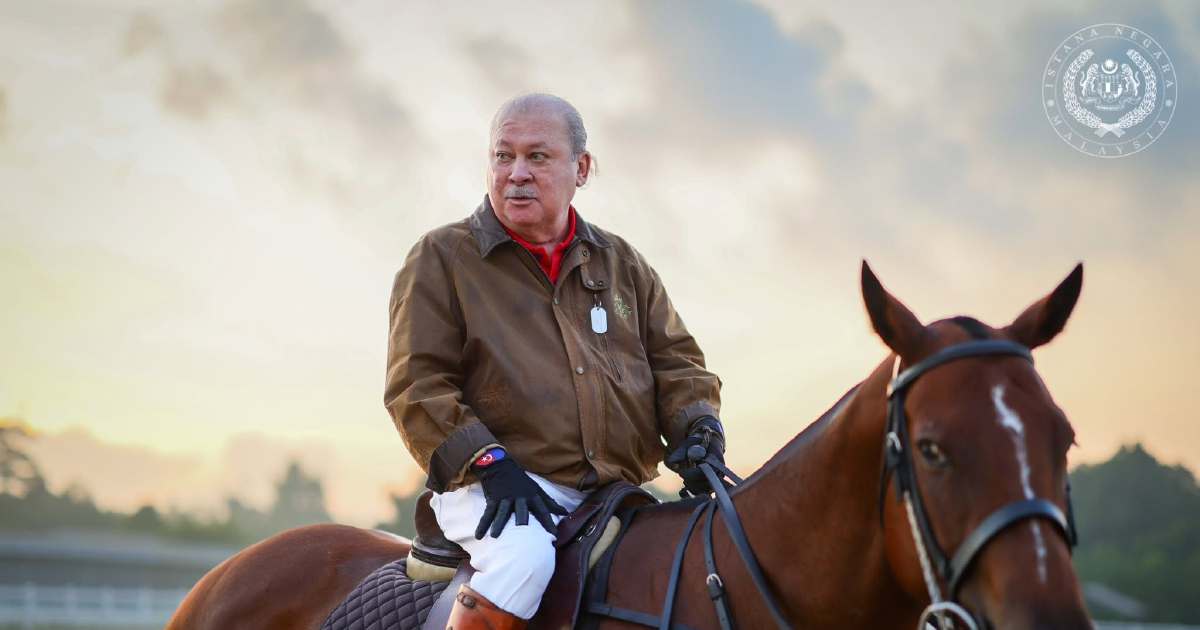
His Majesty Sultan Ibrahim, King of Malaysia, has sustained his established morning equestrian regimen at the Royal Johor Polo Club situated in Istana Pasir Pelangi, underscoring his dedication to consistent physical activity despite the demands of high office. The monarch engaged in his customary horse riding session in a composed and unhurried manner, reflecting the deliberate approach he takes towards his personal wellness.
The practice of maintaining a dedicated fitness routine is increasingly significant for public figures occupying the highest constitutional positions in Malaysia. The visibility of the King engaging in regular physical activity sends an important message about the value of personal discipline and health consciousness to the broader population. In particular, for a nation where sedentary lifestyles and obesity-related health concerns have become growing challenges, the symbolic importance of such conduct extends beyond mere personal habit into the realm of public leadership and national wellbeing discourse.
The Royal Johor Polo Club, housed within the historical Istana Pasir Pelangi estate, serves as more than merely a recreational facility for the royal household. The venue represents a significant institutional space where equestrian traditions meet modern sporting facilities, preserving Malaysia's cultural heritage while providing a controlled environment for the King's daily health activities. The polo grounds themselves carry considerable historical weight within Johor's aristocratic and sporting circles, having functioned as a meeting point for both local and international equestrian enthusiasts for generations.
The choice to engage in horse riding as a primary form of exercise is particularly reflective of the King's connection to the state of Johor, where the institution of the monarchy maintains deep roots and where equestrian culture holds particular cultural significance. This connection is not merely symbolic but extends into the practical governance and ceremonial responsibilities that define his constitutional role. By continuing his routine within Johor's royal precincts, the King reinforces the state's continued importance within the national framework while maintaining a visible presence within his home territory.
Consistency in such personal routines, despite the accompanying security requirements and logistical coordination that accompany any royal movement, demonstrates a commitment to normalcy within extraordinary circumstances. The deliberately measured and tranquil nature of the riding session, as described in the observation, suggests an approach that prioritises sustainable long-term health over intense or strenuous exertion. This methodical strategy aligns with contemporary understanding of effective lifetime fitness practices and reflects an understanding that durability of physical activity matters more than occasional intense engagement.
The significance of such activities extends to the broader question of how Malaysia's national leadership navigates the balance between ceremonial obligations and personal wellness. The maintenance of regular exercise routines by constitutional figures can influence national conversations around preventive health measures and the importance of allocating time for personal wellbeing even within demanding professional schedules. For many Malaysians watching their leaders manage competing priorities, such visible commitments to health establish important precedents about prioritisation and self-care.
Equestrian activities themselves carry particular resonance within Malaysia's royal and cultural context, with horse riding forming part of both historical tradition and contemporary ceremonial practice. The perpetuation of these activities by the current King connects present governance to historical continuity and affirms the continued relevance of traditional practices within a modernising society. The Royal Johor Polo Club thus functions both as a personal health venue and as an institution that preserves important aspects of Malaysian cultural identity.
The location of such activities within Istana Pasir Pelangi carries additional weight, as the Johor palace complex represents not merely personal royal residence but also functions as a symbolic and practical centre for state governance and royal engagement with Johor's affairs. The integration of daily health activities within palace precincts keeps the King accessible to governmental and administrative functions while ensuring that personal wellness does not require disengagement from his location-based responsibilities. This geographical continuity allows for the seamless movement between personal time and official duties that characterises modern constitutional monarchy.
For observers interested in patterns of royal conduct and public health signalling, the regularity and visibility of such activities merit attention. The documented nature of the King's morning routine at the polo club suggests an understanding that such actions carry public interest and that transparency around the health and vitality of national leadership remains important for maintaining public confidence in governmental institutions. This balance between privacy and public awareness in matters concerning the sovereign's wellbeing represents an important evolving aspect of constitutional monarchy in contemporary Malaysia.