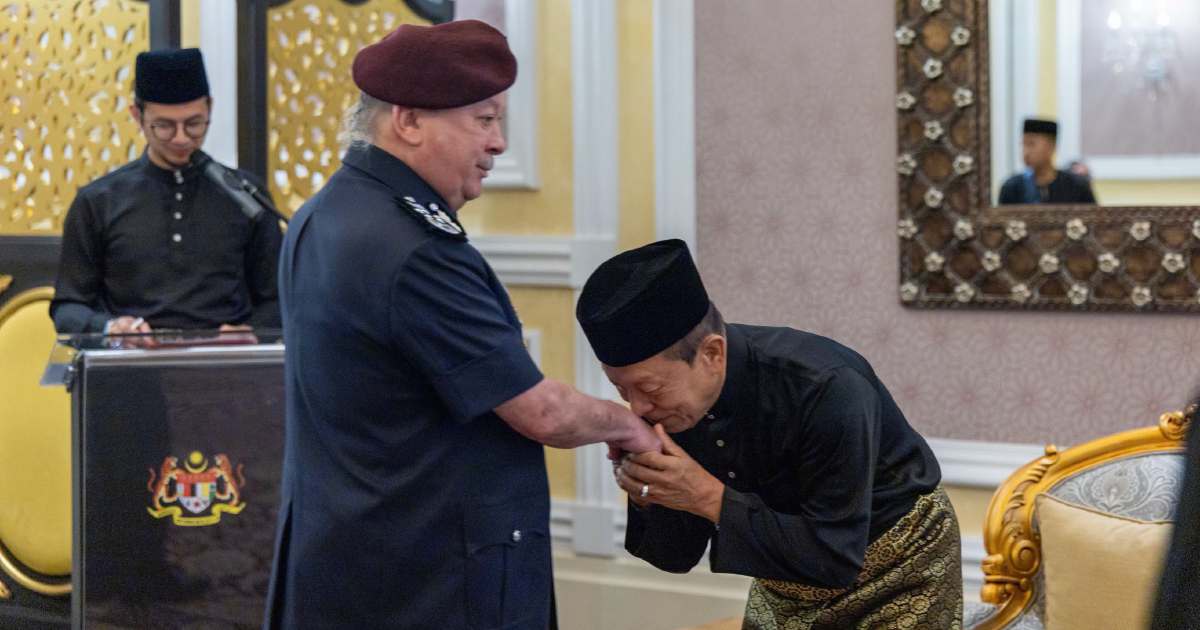
His Majesty Sultan Ibrahim, King of Malaysia, received Malaysian Anti-Corruption Commission (MACC) chief commissioner Datuk Seri Abdul Halim Aman during an official audience at Istana Negara in Kuala Lumpur. The formal meeting, held at the nation's royal seat of power, represents a significant moment of protocol as the country's top anti-corruption officer meets with the reigning monarch.
The audience underscores the institutional relationship between the constitutional monarchy and the independent anti-corruption agency tasked with maintaining public integrity across the federal structure. Such palace meetings typically involve discussions of matters pertaining to the agency's operations, ongoing investigations, or strategic priorities affecting the nation's anti-corruption framework. The timing and format of the audience reflects the formal channels through which Malaysia's key governance bodies communicate at the highest levels.
The MACC, established under the Malaysian Anti-Corruption Commission Act 2008, operates as Malaysia's primary enforcement body investigating allegations of graft, bribery, and abuse of power involving public officials and political figures. With operational independence and far-reaching investigative powers, the commission plays a crucial role in efforts to tackle systemic corruption that has long been identified as an impediment to Malaysia's economic competitiveness and institutional credibility. The agency's mandate extends across federal institutions, state governments, and statutory bodies nationwide.
Datuk Seri Abdul Halim Aman's position places him at the forefront of Malaysia's anti-corruption efforts during a period when public accountability has become increasingly central to political discourse. The chief commissioner directs the commission's investigative divisions, coordinates anti-corruption education initiatives, and represents the agency in matters of national importance. His direct engagement with the throne reflects the significance attributed to the anti-corruption mission within Malaysia's broader governance framework.
Palace audiences of this nature typically serve multiple purposes within Malaysia's constitutional system. They may involve briefings on the agency's performance metrics, updates on high-profile investigations, or coordination on matters where royal involvement adds institutional weight and credibility. The audience also demonstrates the monarchy's active interest in maintaining standards of public service and ethical governance—roles that have historically fallen within the purview of the constitutional head of state.
Malaysia's anti-corruption efforts have faced considerable scrutiny in international assessments and transparency indices. The Corruption Perceptions Index and similar global barometers routinely examine the effectiveness of domestic enforcement mechanisms, investigative independence, and prosecution outcomes. The MACC's operational capacity and performance therefore carry implications beyond national boundaries, affecting Malaysia's standing in regional and international governance rankings that influence foreign investment decisions and bilateral relationships.
The audience comes at a juncture when Malaysia's political landscape continues grappling with legacy issues from previous administrations alongside contemporary governance challenges. The MACC's investigative workload encompasses both historical cases and emerging matters, requiring sustained institutional capacity and strategic focus. The chief commissioner's interaction with the crown provides an opportunity to reaffirm the agency's operational mandate and underscore the importance placed on uncompromising anti-corruption standards at the highest levels of state.
From a structural perspective, Malaysia's independent agencies operate within a constitutional framework that reserves certain prerogatives for the monarch. Regular audience and consultation with the head of state represent customary practice for major institutional heads, ensuring that critical governance bodies maintain channels of communication with the throne. These interactions also reflect the ceremonial and substantive roles the monarchy plays in Malaysia's constitutional order, where the king functions as both symbolic figurehead and participant in governance processes.
The palace meeting takes on particular significance given public awareness of anti-corruption operations and their outcomes. Malaysian citizens and civil society organisations closely monitor the MACC's performance, examining prosecution rates, conviction outcomes, and the agency's capacity to investigate across all levels of government without undue political interference. Public confidence in the commission's independence and effectiveness remains essential to its ability to fulfil its mandate credibly and command respect within institutional hierarchies.
Looking forward, the MACC faces ongoing demands to enhance investigative capability, expand public engagement, and demonstrate measurable progress against corruption networks that often span multiple sectors and jurisdictions. The chief commissioner's access to senior state figures, including the reigning monarch, provides platforms to advocate for institutional resources and policy support necessary to meet these challenges. The audience at Istana Negara thus serves as both a ceremonial acknowledgment of the agency's importance and a practical engagement point within Malaysia's system of governance.

