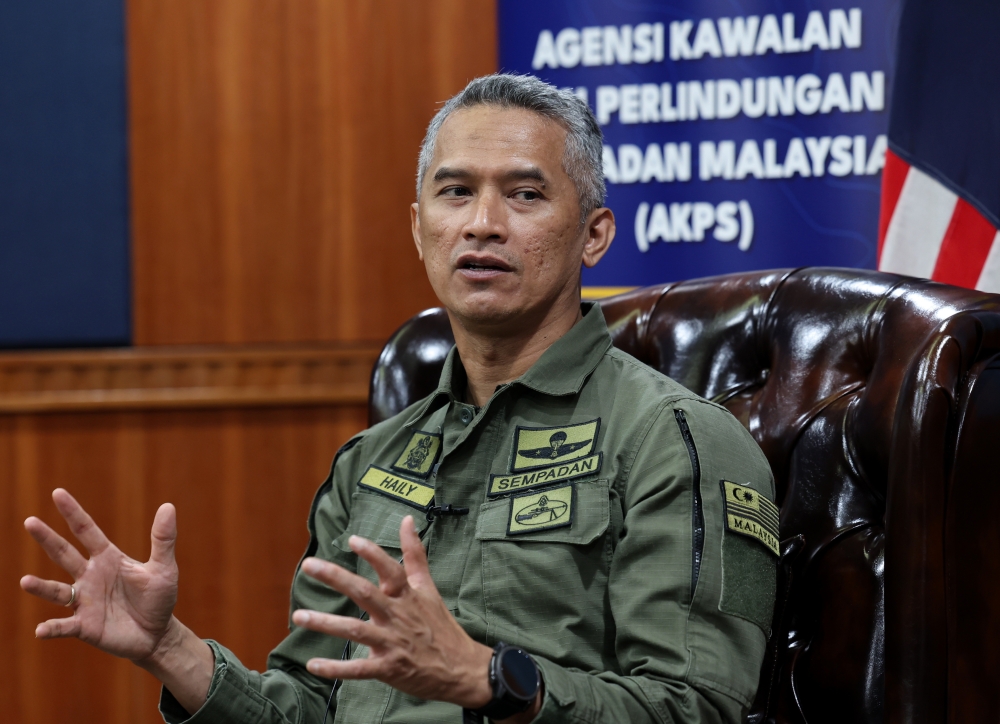
A Malaysia Airlines pilot arrested with narcotics at an Indonesian airport had his baggage cleared without incident during routine screening at Kuala Lumpur International Airport, according to the head of Malaysia's border control agency. The revelation has sparked fresh scrutiny into how airport security protocols operated at the moment of departure, and whether existing detection methods were adequate to intercept prohibited substances before they left Malaysian airspace.
The arrested pilot departed from KLIA carrying luggage that passed through standard X-ray scanning and physical inspection procedures without alerting border officials to any contraband. Only after the flight proceeded to Jakarta's Soekarno-Hatta International Airport was the pilot subsequently detained by Indonesian authorities in connection with drug possession charges. The timing of the arrest—occurring in Indonesian territory rather than at the Malaysian airport—has prompted Malaysian authorities to launch a comprehensive review of their screening protocols and equipment effectiveness.
Border agency officials have emphasized that their inspection procedures at KLIA operate in accordance with established international standards and Malaysian law. However, the incident highlights the persistent challenge airports across Southeast Asia face in preventing smuggling operations, particularly when individuals with legitimate employment at those facilities attempt to transport prohibited items. Malaysia Airlines, Southeast Asia's flagship carrier, has stated it is cooperating fully with both Malaysian and Indonesian authorities investigating the matter.
The case underscores broader vulnerabilities in airport security systems throughout the region. While major international airports like KLIA employ sophisticated screening technology including advanced X-ray machines, trace detection equipment, and trained personnel, the determination and ingenuity of those attempting to move contraband often remains a formidable obstacle. Aviation industry experts note that individuals with insider knowledge of security procedures and regular access to restricted zones represent a particular challenge for border authorities.
Indonesian authorities have not released comprehensive details regarding the quantity or type of drugs allegedly found in the pilot's possession, which would typically inform the severity of charges and potential sentencing. The arrest occurred during a routine arrival process at Jakarta's main international airport, one of the region's busiest hubs handling millions of passengers annually. Indonesian authorities' ability to detect the substances where Malaysian screening had not suggests either that the narcotics were concealed in a manner that evaded initial detection, or that they were added to the pilot's baggage after departure from Malaysia.
The incident raises important questions about coordination between Malaysian and Indonesian aviation security agencies. While both nations maintain bilateral agreements regarding law enforcement cooperation, instances such as this demonstrate how criminal activity can slip between jurisdictional cracks when detection does not occur at the point of origin. Malaysian authorities have indicated they will examine whether information-sharing protocols were followed and whether any intelligence existed regarding the pilot prior to his arrest.
Malaysia Airlines has long maintained rigorous crew screening and vetting procedures for its pilots and flight personnel. The airline conducts background checks, medical examinations, and periodic assessments throughout employees' tenures. The involvement of a pilot in alleged drug smuggling represents an exceptional breach of the trust and responsibility that commercial aviation places on those commanding aircraft. Airlines across the region have similarly expressed concerns about ensuring their employees, particularly flight crew, maintain the highest standards of conduct and integrity.
For Malaysian travelers and the aviation industry more broadly, the incident serves as a reminder of ongoing security challenges despite substantial investments in detection technology and personnel training. KLIA, consistently ranked among Asia's premier airports, operates multiple layers of security screening including passenger baggage checks, crew screening, and aircraft security measures. Yet as this case demonstrates, determined individuals with knowledge of procedures may attempt to exploit perceived weaknesses or rely on sophisticated concealment methods.
The investigation into how the pilot obtained the alleged narcotics and his intended purpose—whether for personal use, trafficking, or other purposes—remains ongoing. Malaysian authorities are reportedly examining whether the pilot had connections to organized smuggling networks, which would elevate the severity and implications of the case. Such networks occasionally attempt to exploit the legitimate travel patterns of crew members to move contraband across borders where fewer checks occur for airline personnel.
Both Malaysia and Indonesia have strengthened their drug enforcement efforts in recent years, particularly targeting transnational trafficking operations. The pilot's arrest contributes to broader law enforcement data that both nations use to refine detection strategies and identify trafficking routes. Cooperation between Malaysian and Indonesian agencies, while generally strong on maritime and air security matters, continues to evolve as criminal methods become increasingly sophisticated.
The incident may prompt Malaysian authorities to conduct an internal audit of KLIA's screening procedures, equipment calibration, and staff training protocols. Advanced X-ray technology requires regular maintenance and operator recertification to ensure optimal performance. Whether technical factors, human error, or intentional concealment methods contributed to the baggage passing through screening without detection remains part of the official investigation. Such reviews are standard practice following high-profile security breaches and reflect professional commitment to continuous improvement in aviation safety and security operations.

