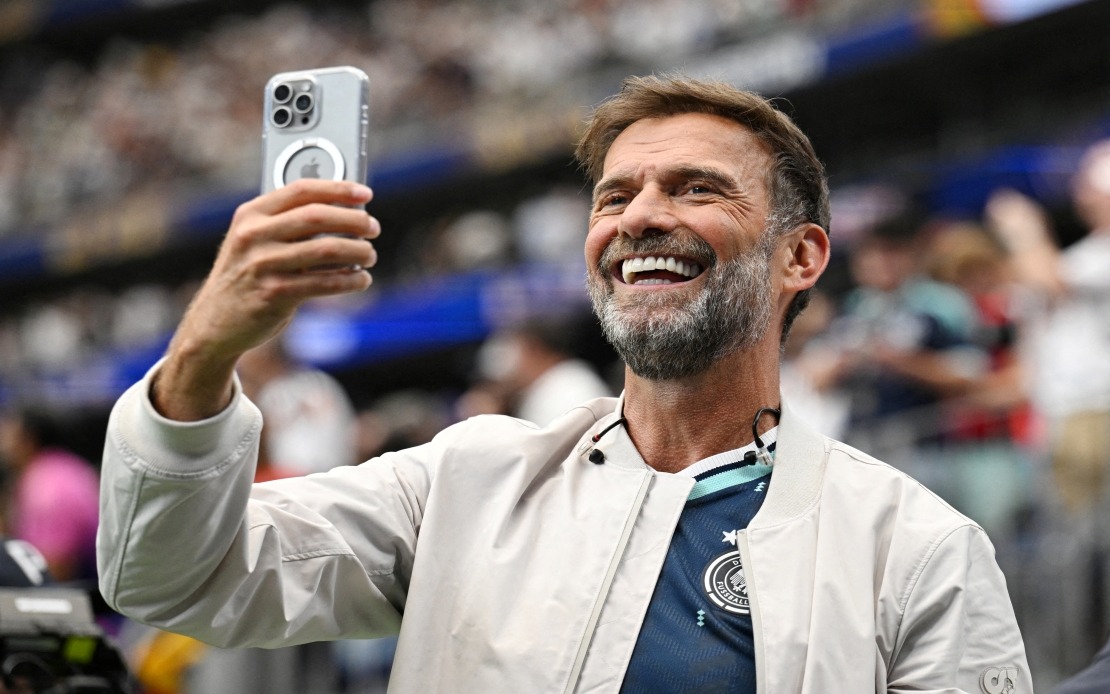
Jürgen Klopp has publicly acknowledged that he is in formal discussions with the German Football Federation (DFB) about assuming the role of national team coach, succeeding Julian Nagelsmann who stepped down following Germany's disappointing World Cup campaign. Speaking on MagentaTV from New York on July 4, the former Liverpool and Borussia Dortmund manager indicated that while he is prepared for the position, the process of finalizing any agreement will require considerable time and deliberation.
Nagelsmann's departure comes after nearly three years in charge, concluded by Germany's elimination from the World Cup in the last 32 stage when they fell to Paraguay on penalties. The manner of the exit has intensified scrutiny on the DFB's direction and raised questions about the structural challenges within German football that extend beyond individual coaching appointments. Klopp's measured response suggests he understands the complexity of the situation and the need for careful analysis before committing to a new chapter.
The 57-year-old explicitly stated that intensive negotiations lie ahead because the fundamental issues confronting German national football cannot be attributed solely to Nagelsmann's stewardship. This distinction is crucial as it reflects Klopp's pragmatic assessment that solving the team's performance problems will require systemic changes and a comprehensive strategy rather than a simple coaching swap. His willingness to engage in extensive dialogue with the federation demonstrates a desire to ensure proper foundations are laid before accepting the role.
Klopp emphasized his personal readiness for the challenge, noting that he has fully recharged since departing Liverpool in summer 2024. His stint at Red Bull as Head of Global Soccer has allowed him breathing space away from the day-to-day pressures of club management, providing perspective and renewed energy. This sabbatical period has positioned him well for a return to high-stakes international football, where mental fortitude and clarity of vision are paramount prerequisites.
Notably, Klopp offered diplomatic praise for Nagelsmann, characterizing him as an exceptional coach whose reputation might have remained untarnished had the Paraguay result gone differently. This magnanimous stance underscores Klopp's understanding that fine margins often determine perceptions of managerial competence at the international level. His refusal to blame Nagelsmann personally for Germany's struggles signals his intent to avoid the blame-shifting that sometimes accompanies coaching transitions in major football nations.
A significant hurdle remains Klopp's existing contractual obligation with Red Bull, which extends until 2029. The manager has already engaged in preliminary conversations with Red Bull supremo Oliver Mintzlaff to explore how a potential separation might be navigated. Klopp's commitment to ensuring Red Bull emerges from any arrangement with its reputation enhanced demonstrates his characteristic attention to relationships and institutional integrity. This consideration reflects his belief that all parties should benefit from any resolution.
The convergence of these factors places the DFB in a position of strength as it pursues one of world football's most accomplished contemporary coaches. Klopp's track record of transforming underperforming teams into competitive units is well established, most notably at Liverpool where he restored the club to European prominence. His tactical acumen, man-management skills, and ability to articulate a compelling vision make him precisely the type of figure German football requires at this juncture.
For Southeast Asian football observers, Klopp's potential appointment carries broader implications. The German national team's performance influences the sport's global hierarchy and competitiveness standards. Should Klopp successfully implement his philosophical approach to the international stage, it could reshape tactical and organizational thinking across Asian federations that often benchmark themselves against European models. Germany's football culture and developmental systems have historically served as reference points for emerging football nations throughout Asia.
The timeline for resolution remains uncertain, but Klopp's characterization of the process as requiring intensive discussion suggests weeks rather than months of negotiation. The DFB's interests in appointing a world-class successor, combined with Red Bull's corporate standing and potential flexibility regarding Klopp's availability, suggest a workable path forward exists. However, the complexity of untangling existing contractual arrangements while establishing new governance frameworks between Klopp and the federation necessitates patience and careful deliberation.
The broader context of German football's current challenges cannot be overlooked. Beyond the World Cup setback, the national team faces questions about squad regeneration, tactical evolution, and the balance between domestic competitive intensity and international performance. These systemic issues represent the substantive agenda that will occupy Klopp's attention should negotiations prove successful, extending far beyond the ceremonial aspects of a coaching appointment.

