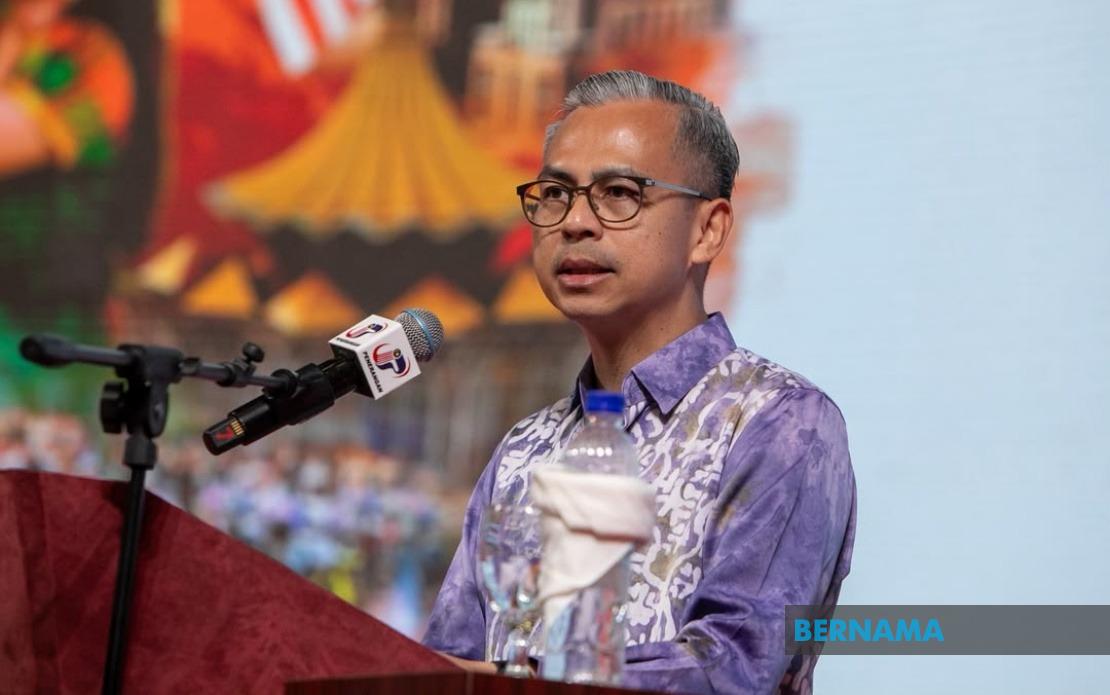
Communications Minister Datuk Seri Fahmi Fadzil has pledged to maintain the Kembara Merdeka Jalur Gemilang convoy as a cornerstone initiative for cultivating patriotic sentiment and strengthening social cohesion among Malaysians. Speaking at the launch of the 2026 National Month campaign in Ipoh, Fahmi underscored the government's commitment to leveraging the annual convoy journey as a meaningful channel through which citizens can deepen their connection to the nation and celebrate its achievements and heritage.
The convoy will feature prominently in Malaysia's 2026 National Month and Malaysia Day observances, which carry the overarching theme of 'Malaysia MADANI: Kesejahteraan Dinikmati' — translating the administration's broader development philosophy of shared prosperity into tangible public engagement. This thematic alignment reflects the government's strategic attempt to link patriotic expression with economic and social well-being, positioning flag-waving and national celebrations as integral to the nation's advancement narrative.
Although budget constraints necessitate a more measured approach to the upcoming festivities compared with previous years, Fahmi stressed that curtailed spending would not diminish the substantive goals underlying the commemoration. The administration intends to deploy existing resources more strategically, ensuring that messages of national pride and recognition of Malaysia's independence struggle remain potent despite financial limitations. This pragmatic stance signals broader budgetary pressures facing the government while attempting to maintain public momentum around national identity initiatives.
The 'One House, One Jalur Gemilang' campaign represents a centrepiece of this year's strategy, designed to inspire households across the country to display the national flag as an everyday emblem of sovereignty, collective identity, and pride. By democratising flag-flying beyond formal government ceremonies and official events, the initiative seeks to embed patriotic symbols into domestic spaces and ordinary life, potentially strengthening grassroots engagement with national symbols. Such initiatives gain particular significance in Malaysia's multicultural context, where inclusive expressions of patriotism serve both unifying and political functions.
Prime Minister Datuk Seri Anwar Ibrahim officially launched the campaign at the Sultan Azlan Shah Ministry of Health Training Institute in Tanjung Rambutan, lending senior government backing to the patriotism agenda. The presence of National Unity Minister Datuk Aaron Ago Dagang at the ceremony underscored the intertwined nature of patriotic expression and national cohesion in current government discourse, reflecting an integrated approach to social stability and national pride. Perak Menteri Besar Datuk Seri Saarani Mohamad's attendance further emphasised state-level alignment with the national initiative.
The convoy programme's continued prominence reflects official recognition of its effectiveness in reaching diverse audiences across Malaysia's varied regions and communities. By traversing the country, the mobile campaign can engage Malaysians at grassroots level, bridging urban-rural divides and creating spaces for collective national celebration that transcend purely ceremonial occasions. For many Malaysians, particularly those in remote or underserved areas, such initiatives provide tangible opportunities for active participation in national observances.
The 2026 campaign arrives during a period of complex political dynamics within Malaysia, where questions of national unity, identity, and inclusive development remain contested. By prioritising patriotism and flag-waving campaigns, the government signals its commitment to nation-building narratives, though such efforts inevitably carry political dimensions within Malaysia's competitive environment. The timing and emphasis reflect efforts to reinforce administrative legitimacy through appeals to shared national identity.
From a regional perspective, Malaysia's investment in patriotic campaigns and national identity initiatives mirrors broader Southeast Asian trends as nations navigate globalisation, migration, and evolving social cohesion challenges. The Malaysian approach of combining ceremonial patriotism with inclusive development messaging (Malaysia MADANI) illustrates how contemporary governments attempt to balance national sentiment with progressive governance narratives.
The initiative also demonstrates the government's strategic use of symbolic and cultural instruments for policy objectives. Rather than relying solely on legislative or enforcement mechanisms, the administration harnesses emotional and social dimensions of national identity to encourage desired behaviours and attitudes. This soft-power approach to governance, while potentially effective, raises considerations about authenticity and voluntary versus managed expressions of patriotism within democratic contexts.

