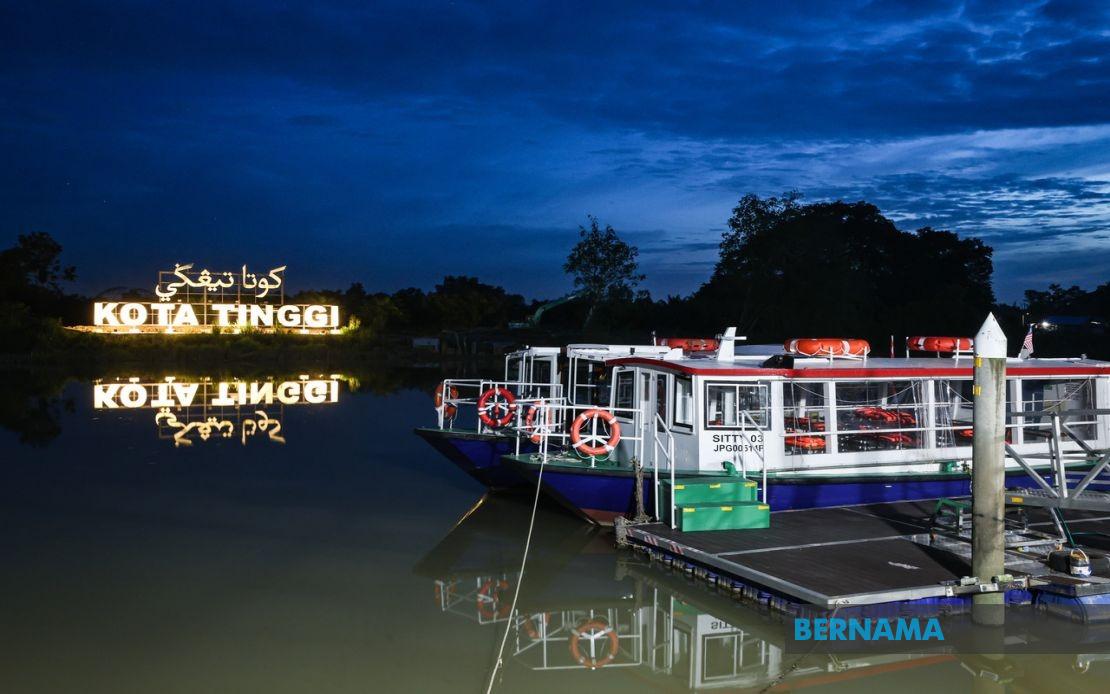
Tourism authorities in Johor are capitalizing on the region's rich maritime heritage through an innovative river-based attraction that has proven remarkably popular with both domestic and international visitors. The Kota Tinggi River Cruise, a 6.7-kilometre journey along Sungai Johor, represents a growing trend across Southeast Asia of leveraging natural waterways as platforms for cultural and ecological storytelling, particularly as destinations position themselves for the Visit Johor 2026 campaign.
The cruise departs from Pangkalan Kota Jetty, where passengers transition from the modern townscape into a landscape dominated by dense vegetation hugging both riverbanks. This geographical shift—from urban bustle to serene natural surroundings—constitutes the primary appeal for visitors seeking respite from contemporary life's accelerated rhythms. What distinguishes this offering from conventional boat tours is the deliberate integration of historical narration with scenic presentation, transforming the waterway into an open-air classroom of sorts.
Sungai Johor holds profound significance in Southeast Asian history as the crucial waterway that facilitated the establishment and flourishing of the Johor-Riau Sultanate following Malacca's collapse during the 16th century. According to Aiman Haikal Mohd Azmi, operations manager for Kota Tinggi River Cruise, the river functioned as the economic and administrative spine sustaining early settlements. Archaeological and historical sites along the corridor, notably Johor Lama and Kampung Makam, served as burial grounds for several sultanate rulers and remain visible from the water, providing tangible links to a sultanate that shaped the entire region's political trajectory.
The operational success of KTRC since its launch has exceeded initial projections. Within the first seven months of operation, the venture attracted more than 10,000 visitors, an achievement reflecting both pent-up demand for heritage-based tourism and effective marketing positioning. The visitor demographic extends beyond Malaysia's borders, with arrivals from Singapore, Indonesia, and Brunei indicating the attraction's regional appeal and its capacity to differentiate itself within a competitive Southeast Asian tourism market.
The daytime cruise experience emphasizes visual landmarks alongside historical narratives. Passengers encounter Titian Laksamana, a pedestrian suspension bridge that has become iconic among photography enthusiasts, and the Johor River Barrage, another photogenic installation. More significantly, the approximately one-hour journey incorporates onboard audio commentary and live narration recounting the exploits of historical figures including Sultan Mahmud Mangkat Dijulang and Laksamana Bentan. This interpretive approach transforms passive sightseeing into active historical engagement, allowing visitors to contextualize architectural remnants they observe against broader narratives of sultanate governance and maritime commerce.
As evening approaches, KTRC's operations shift toward nature-centric experiences. The Mesmerising Fireflies package capitalizes on a natural phenomenon unique to certain Southeast Asian riverine ecosystems. Thousands of bioluminescent fireflies emerge in darkness, creating ethereal illumination patterns that cannot be replicated through artificial means. This offering appeals to visitors seeking authentic natural experiences and complements the historical content with biological wonder, positioning the cruise as a multidimensional attraction rather than a single-purpose attraction.
For visitors prioritizing culinary experiences, KTRC offers a Dining Cruise package that merges gastronomy with landscape viewing. This tier of service addresses the growing global tendency among affluent tourists to integrate meals into tourism experiences, transforming dining from a utilitarian necessity into a curated experience component. The panoramic river views of Kota Tinggi from the boat create an atmospheric setting that enhances perceived value and generates social media content, amplifying the attraction's reach through organic digital promotion.
Operational logistics reflect professional tourism management standards. KTRC maintains daily schedules with extended evening hours on weekends, departing every hour to accommodate visitor flow. Weekday operations run from 9 am to 7 pm, while Friday through Sunday extends to 10 pm, optimizing for the firefly experience that requires darkness. This scheduling flexibility demonstrates responsiveness to market demand and recognition that nature-based tourism requires calibration with natural phenomena.
Pricing architecture segments the market across demographic categories and experience tiers. Day cruises cost RM20 for adults, RM15 for children, and RM10 for senior citizens and persons with disabilities, establishing accessibility across economic strata. Sunset and firefly cruises command modest premiums at RM23, RM17, and RM13 respectively, reflecting the enhanced experiential value and logistical complexity of evening operations. This tiered approach maximizes revenue while preventing price barriers that might alienate middle-income domestic visitors.
Management perspectives emphasize conservation and community benefit alongside commercial objectives. Aiman Haikal articulated the view that heritage and nature-based tourism products generate ecological stewardship incentives by creating economic constituencies invested in river preservation. This framing addresses growing global expectations that tourism enterprises demonstrate environmental responsibility, particularly in Southeast Asia where riverine ecosystems face mounting pressures from agricultural runoff, industrial discharge, and urban expansion.
The Kota Tinggi River Cruise exemplifies a broader strategic pivot within Malaysian tourism toward experiential attractions grounded in authentic cultural and natural assets rather than constructed entertainment venues. This positioning aligns with international tourist preferences, particularly among affluent demographics, favoring immersive experiences offering genuine encounters with heritage and ecology. For Malaysia and the broader region, such initiatives demonstrate how waterway infrastructure can be leveraged economically while simultaneously creating incentive structures for environmental protection.
The venture's success carries implications extending beyond Kota Tinggi. The model demonstrates feasibility for similar river-based tourism products throughout Malaysia, where major waterways including the Rajang, Kinabatangan, and Perak rivers possess comparable historical richness and ecological significance. As Southeast Asian nations compete for international tourist expenditure, such regionally-rooted, culturally-authentic offerings may prove more resilient than standardized resort-based tourism that faces increasing competition from comparable destinations across the globe.

