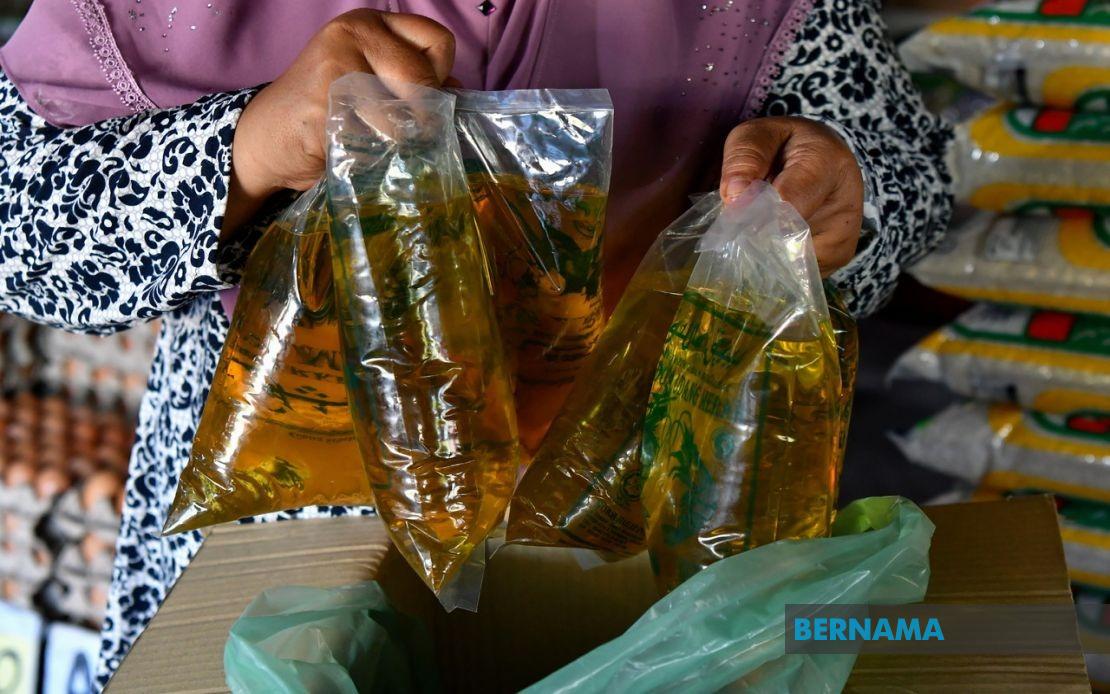
Malaysia's Domestic Trade and Cost of Living Ministry (KPDN) has committed to thoroughly examining recommendations from the Public Accounts Committee concerning the management of cooking oil price controls and government subsidies. The review comes as the government intensifies efforts to plug wastage in one of the nation's most significant subsidy programmes, which has long struggled with operational inefficiencies and unintended beneficiaries accessing cheap supplies meant for vulnerable households.
Minister Datuk Armizan Mohd Ali outlined the ministry's commitment to implementing findings from the PAC report presented to Parliament on July 16, signalling the government's determination to overhaul a scheme that has consumed billions of ringgit in annual expenditure. The PAC's intervention reflects growing parliamentary scrutiny of subsidy administration, particularly given Malaysia's fiscal constraints and the need to redirect resources toward more pressing development priorities. The recommendations represent a significant moment in the nation's efforts to modernise its approach to food assistance and consumer protection.
Central to the reform agenda is the accelerated deployment of the Cooking Oil Stabilisation Scheme System (eCOSS), a digital platform designed to replace manual record-keeping with automated tracking across the entire supply chain. Development of this system commenced in 2023, and the ministry is now executing implementation through two coordinated phases. The first involves systematically integrating eCOSS across all distribution networks, whilst the second focuses on expanding accessibility through a mobile application that has been undergoing pilot testing since May 2025. This technological shift addresses longstanding vulnerabilities where paper-based systems have enabled manipulation and diversion of subsidised supplies.
The rollout of the eCOSS Mobile Application represents a watershed moment in Malaysia's approach to targeted subsidies. By enabling citizens to access subsidised cooking oil through QR code scanning linked to their national identification, the system creates a transparent, tamper-resistant record of transactions. Armizan emphasised that this verification mechanism will prevent unauthorised purchases by foreign nationals and eliminate opportunities for black-market diversion. The integration of updated identity cards issued by the National Registration Department will further strengthen the system's integrity, ensuring that subsidy benefits flow exclusively to eligible Malaysian residents.
Beyond technological solutions, the PAC recommendations have prompted KPDN to reconsider the market structure of the cooking oil refining sector. The committee identified concerning levels of foreign ownership concentration among major suppliers, which the PAC views as reducing competitive pressures and limiting opportunities for local entrepreneurs. Currently, the Cooking Oil Stabilisation Scheme does not operate under fixed refinery quotas; instead, repackers independently select suppliers based on practical considerations including transportation expenses, credit terms, unit prices, supply reliability, and facility proximity. However, KPDN recognises the merit in strategically encouraging local refinery participation through phased intervention measures.
To support this shift toward local refineries, the ministry is introducing quota redistribution mechanisms and establishing formal business matching channels that connect repackers directly with domestically owned refining operations. These interventions aim to reduce the structural dependence on foreign-owned refineries whilst creating commercial opportunities for Malaysian firms. Such measures carry broader economic implications for Southeast Asia, where competing nations increasingly prioritise local supply chains and seek to reduce foreign control over critical commodity sectors. Malaysia's approach could serve as a model for other regional economies facing similar concentration issues.
The ministry has also implemented several complementary safeguards to enhance subsidy targeting and prevent leakage. One measure prohibits the sale of one-kilogramme cooking oil packets to non-citizens, recognising that smaller package sizes are primarily purchased by individual consumers rather than commercial users. Integration of eCOSS with the Sumbangan Asas Rahmah (SARA) assistance programme creates potential synergies between different government support mechanisms, allowing authorities to identify duplicate assistance or ineligible recipients across multiple programmes. Streamlined enforcement procedures aim to ensure consistent application of regulations and faster remedial action when violations are detected.
Armizan underscored that KPDN's reform strategy incorporates multiple oversight sources and seeks to build consensus among stakeholders. The ministry has considered findings from internal operational reviews, audit findings from the National Audit Department released in July 2025, and the latest PAC report. This layered approach to evidence-gathering reflects a recognition that subsidy leakage arises from multiple factors including system design, enforcement capacity, and market structure. By synthesising insights from different institutional perspectives, the ministry aims to develop comprehensive solutions rather than addressing isolated symptoms.
The enforcement dimension remains critical to the reform's success. Armizan indicated that KPDN will vigorously pursue violations across the entire supply chain, from refinery operators and repackers to wholesalers and retailers. This comprehensive enforcement posture signals that subsidy theft—regardless of where it occurs—will face legal consequences. The stern warning reflects frustration with past instances where supply-chain participants exploited regulatory gaps or collided with corrupt officials. For Malaysian consumers and taxpayers, effective enforcement offers reassurance that subsidies are reaching their intended beneficiaries rather than enriching unscrupulous traders.
The cooking oil subsidy programme remains economically significant for Malaysia, particularly given inflation pressures affecting household food budgets and the political sensitivity surrounding cost-of-living concerns. Between 2020 and 2023, cooking oil subsidies represented one of the government's largest commodity support commitments. Yet sustained high subsidy costs are fiscally unsustainable and may inadvertently encourage inefficient consumption patterns. The PAC and KPDN's shared focus on targeted, leakage-resistant subsidy administration reflects a broader policy maturation—moving beyond universalised price controls toward more sophisticated instruments that balance affordability for low-income households with fiscal responsibility.
KPDN's engagement with PAC recommendations also demonstrates Parliament's increasing capacity to hold the executive accountable on resource management. The Public Accounts Committee's investigative work, culminating in formal recommendations, provides elected representatives with concrete tools to influence policy implementation. For Malaysian democracy, such institutional checks are essential given the scale of subsidy expenditure and the government's fiduciary obligations. The ministry's stated willingness to study and act on parliamentary findings suggests that this accountability mechanism is functioning as intended.
Looking ahead, the success of these reforms will ultimately depend on implementation fidelity and adequate resource allocation. Technical systems like eCOSS require sustained IT investment, user training, and cybersecurity protections. Enforcement initiatives demand sufficient personnel and investigative capacity, particularly given Malaysia's complex supply chains and the sophistication of subsidy fraud schemes. The ministry will also need to monitor whether the reforms achieve intended outcomes—namely, reduced leakage, improved targeting, and sustained cost controls—whilst avoiding unintended consequences such as supply shortages or disproportionate burden on legitimate traders.

