Malaysia's Ministry of Housing and Local Government has unveiled a strategic maintenance approach targeting the nation's ageing stock of People's Housing Programme developments, focusing resources on the most vulnerable properties that have exceeded a decade in operation. The initiative reflects a pragmatic response to budgetary constraints that prevent the ministry from addressing every repair request simultaneously, requiring officials to adopt a systematic triage methodology that weighs competing needs against available funding.
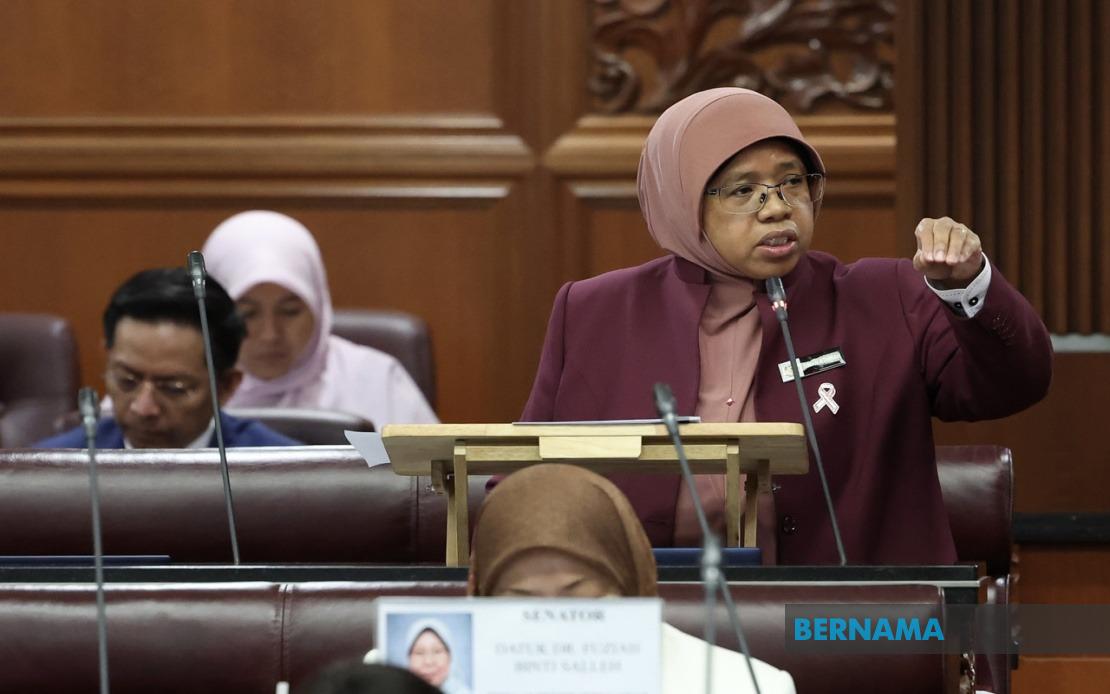
Deputy Minister Datuk Aiman Athirah Sabu outlined during a parliamentary session that the ministry concentrates its efforts on defects posing direct risks to occupant safety and wellbeing rather than attempting comprehensive renovations across all PPR complexes nationwide. This selective approach prioritises elevator systems, roof integrity, water storage and distribution infrastructure, internal plumbing networks, and electrical wiring—categories of repair that directly underpin the habitability and security of residential spaces occupied predominantly by lower-income households.
The financial reality underscores the magnitude of the maintenance challenge confronting Malaysia's social housing portfolio. Under the 12th Malaysia Plan framework, the ministry has channelled RM159.1 million across five rolling maintenance cycles directed toward high-rise PPR developments throughout the country. However, this allocation reveals a persistent funding gap: in 2026 alone, 226 separate maintenance applications totalling RM79.9 million in requested repairs were submitted, yet only RM44.6 million—representing 56 per cent of the total cost sought—received approval for funding.
This funding shortfall carries substantial implications for PPR residents, many of whom inhabit housing units in densely populated urban centres where maintenance failures cascade quickly through interconnected building systems. When lift breakdowns occur in high-rise PPR blocks, elderly residents and persons with mobility challenges face severe access restrictions. Similarly, compromised water systems or electrical infrastructure can render entire floors or buildings temporarily uninhabitable, forcing residents to seek alternative accommodation during repairs.
The bureaucratic pathway for maintenance requests reveals the procedural complexities that extend timelines from application to project commencement. Joint Management Bodies and Management Corporations representing individual PPR developments must first submit applications through the Commissioner of Buildings or relevant local authorities, who then forward documentation to the ministry. This multi-stage review process, combined with rigid acceptance windows, compresses the timeframe within which applications can progress through the system.
The ministry's published calendar structures the approval process across several distinct phases beginning in August when applications open. Selection working committees convene in November to evaluate submissions, followed by steering committee reviews in December. Final approval consideration by the Controlling Officer occurs in January, with local authorities receiving notification of decisions in the same month. Letters of Acceptance typically issue by April, representing the earliest point at which maintenance contractors can mobilise and commence repair work—a full eight months after the initial application deadline.
This extended timeline creates practical difficulties for residents experiencing deteriorating building conditions. A lift failure reported in summer may not receive approval until spring the following year, during which time residents endure mobility restrictions and potential safety hazards. For water system failures or electrical hazards, such delays could compound maintenance problems and elevate repair costs if initial defects worsen during the approval interval.
The maintenance crisis affecting PPR housing intersects with broader challenges confronting Malaysia's strata property sector. Many older low-cost housing developments share common characteristics with ageing condominium blocks: aging infrastructure, deferred maintenance costs accumulating faster than resources can address them, and resident populations with limited financial capacity to contribute to special maintenance levies. The PPR programme, designed to provide affordable shelter for lower-income households, faces particular strain because cost-sharing mechanisms that function in market-rate condominiums are less feasible when many residents already occupy units at near-maximum affordability thresholds.
The targeting approach emphasising safety-critical systems reflects necessary triage methodology but raises equity concerns for residents whose PPR buildings require maintenance in non-critical categories. Cosmetic deterioration, non-essential structural repairs, or amenity facility maintenance may languish unfunded despite degrading the residential environment. This calculus implicitly prioritises immediate habitability over broader quality-of-life considerations that residents might reasonably expect from housing designated as a social safety net.
From a Southeast Asian perspective, Malaysia's PPR maintenance challenges parallel difficulties affecting public housing programmes throughout the region. Ageing social housing stocks in urban centres across Thailand, Indonesia, and the Philippines similarly struggle with deferred maintenance, constrained budgets, and bureaucratic approval processes that delay repairs. The Malaysian government's articulated focus on safety-critical infrastructure represents a pragmatic but incomplete response to systemic underfunding affecting public housing maintenance across developing economies.
The funding gap between requested maintenance costs and approved allocations suggests that long-term PPR sustainability requires either substantially expanded budgetary commitments or structural reforms to how maintenance funding reaches deteriorating properties. Current mechanisms appear designed to manage decline rather than reverse it, allocating sufficient resources to prevent immediate crises while accepting ongoing property degradation as an inevitable consequence of limited public expenditure on housing for lower-income populations.
Malaysian policymakers examining these maintenance constraints must grapple with fundamental questions about social housing sustainability. Whether the current approach of prioritising safety-critical repairs while deferring other maintenance constitutes adequate stewardship of public assets designed for vulnerable populations remains contested. The transparent acknowledgement that only 56 per cent of requested maintenance funding receives approval at least permits residents and oversight bodies to understand the true extent of underfunding rather than creating false impressions that submitted applications will receive prompt comprehensive attention.

