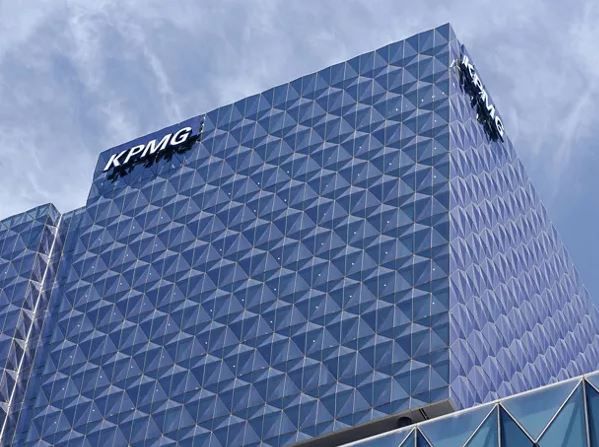
The Big Four accounting firm KPMG Australia is undergoing significant management restructuring following the fallout from a major corporate governance scandal involving the mishandling of confidential information. Chairman Martin Sheppard, along with senior audit partners Paul Rogers and Eileen Hoggett, have all stepped down from their positions, according to an announcement made on Tuesday. The trio's departures represent the latest wave of executive accountability stemming from allegations that the firm exploited privileged client documents to gain competitive advantage in pursuing lucrative audit contracts.
Interim Chief Executive Stan Stavros framed the resignations as necessary steps toward restoring institutional credibility and acknowledging the broader harm caused by the firm's conduct. In his statement, Stavros emphasised that KPMG had fallen short of professional standards and recognised the serious consequences the scandal had inflicted on multiple stakeholders, including the internal whistleblower who exposed the misconduct, staff members, institutional clients, and the wider business community that depends on auditors to maintain ethical boundaries.
The controversy centres on allegations that KPMG improperly obtained and deployed confidential board documents belonging to major Australian property developer Lendlease to buttress its competitive pitches for significant audit tenders. Such conduct represents a fundamental breach of the fiduciary relationship between auditors and their clients, as it transforms privileged strategic information into commercial leverage. This type of misconduct strikes at the core professional responsibility that audit firms are expected to uphold, particularly given their gatekeeping role in corporate financial transparency.
Rogers and Hoggett were specifically identified by the internal whistleblower as the principal partners who led the Lendlease audit engagement and orchestrated the questionable practices in question. The pair's central role in the alleged misconduct made their continued tenure in senior leadership positions increasingly untenable following the public emergence of the allegations in March. Both individuals are currently subject to formal investigations by Australia's corporate regulator, the Australian Securities and Investments Commission, which has the authority to pursue disciplinary action against individual practitioners.
This scandal has already claimed other senior figures at the firm. KPMG Australia's Chief Executive Officer and the head of its audit division departed previously due to their involvement or oversight responsibilities related to the same conduct. The cascading resignations underscore how serious corporate governance breaches can precipitate a domino effect of executive departures, as accountability mechanisms and reputational pressures compel successive layers of leadership to step aside.
For Malaysian and Southeast Asian business observers, this situation carries important implications regarding the trustworthiness and independence of multinational audit firms operating in the region. Audit integrity forms the foundation of cross-border investment confidence and financial market stability. When prominent global audit firms face credibility challenges in any major market, it naturally raises questions about governance standards and professional cultures across their entire international network. Malaysian companies relying on KPMG's audit services, along with investors evaluating corporate financial statements, must grapple with questions about whether similar governance lapses could compromise audit quality elsewhere.
KPMG's response framework includes appointing an independent chairman and recruiting independent board members to its Australian operations, structural changes designed to dilute insider control and create stronger governance oversight. These governance enhancements represent acknowledgment that previous internal structures and oversight mechanisms proved insufficient to prevent or immediately detect the misconduct. The firm hopes that introducing external independent perspective at board level will restore checks and balances that should have functioned to prevent confidentiality breaches.
The affair illustrates broader challenges confronting the global audit industry regarding conflicts of interest and competitive pressures. Audit firms simultaneously pursue lucrative service contracts for clients while maintaining independence to scrutinise those same clients' financial reporting. This inherent tension becomes particularly acute when firms compete intensely for major mandates. The Lendlease situation suggests that commercial pressure to win contracts may have overwhelmed professional judgment and ethical guardrails, a risk that regulators across Asia-Pacific continue monitoring.
For Malaysia specifically, the KPMG situation provides cautionary context as regulators consider audit quality standards and professional accountability mechanisms. The Malaysian Institute of Accountants and Securities Commission Malaysia maintain oversight of auditors and audit firms operating domestically. High-profile international scandals like this one inform policy discussions about whether current regulatory frameworks adequately prevent similar misconduct and ensure sufficient accountability for breaches when they occur.
The resignations also carry implications for KPMG's client relationships across Australia and the region. Clients conducting audit tender processes will likely demand enhanced governance assurances and may seek greater transparency regarding partner qualifications and track records. Trust, once damaged through public scandal, requires sustained effort to rebuild through demonstrated commitment to ethical practice and transparent operations.