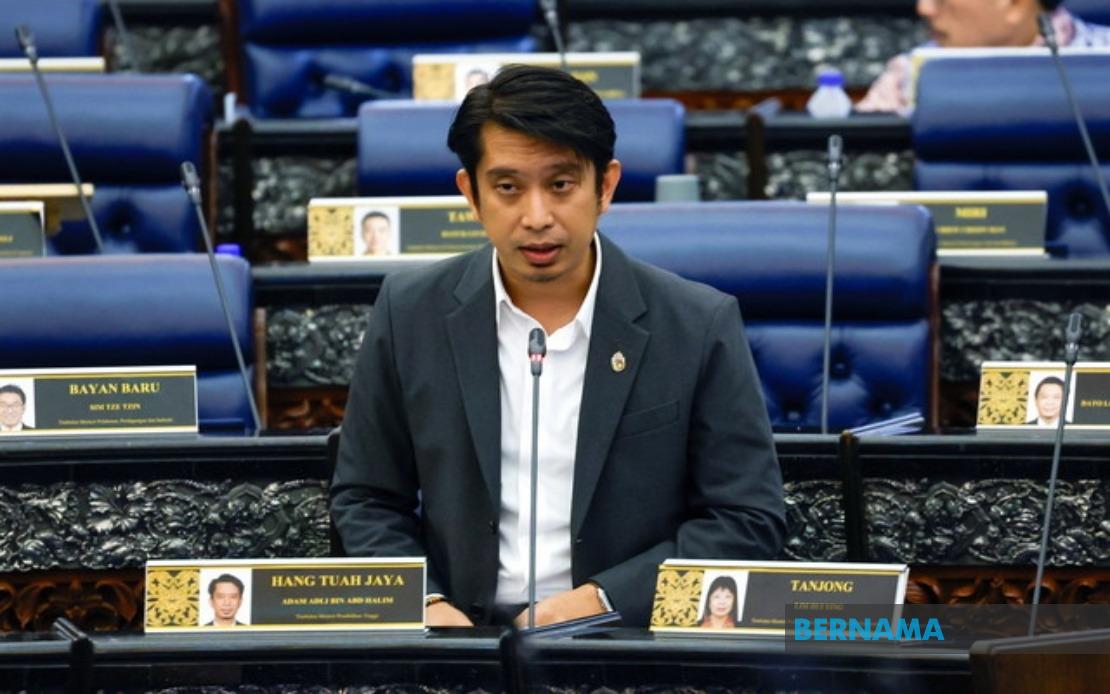
The Ministry of Higher Education is moving to tighten its oversight of professional programmes offered to Malaysian students overseas, implementing a more robust framework for coordination between educational institutions, regulatory agencies, and professional licensing bodies. Deputy Minister Adam Adli Abd Halim outlined these initiatives during parliamentary proceedings, emphasizing that the strengthened mechanisms aim to catch and resolve qualification recognition issues before they affect graduates entering the workforce.
The impetus for these reforms stems from a recent case involving four pharmacy graduates from Alexandria University in Egypt who encountered difficulties having their qualifications recognized by the Malaysian Pharmacy Board. According to Adam Adli, the problem originated from a technical issue—the university changed the name of the pharmacy programme without adequately informing the relevant professional regulatory body in Malaysia. This communication failure created a gap in the recognition process, demonstrating how even procedurally sound systems can break down when key stakeholders do not maintain effective coordination.
Crucially, the deputy minister clarified that the Malaysian Qualifications Agency, which serves as the nation's academic accreditation authority, had not been at fault in the case. MQA had continued to recognize the qualification as valid. Rather, the breakdown occurred at the point where the professional body—responsible for certifying practitioners' fitness to work—was not automatically informed of programmatic changes. This distinction is important for understanding the root cause: the issue lay not in academic standards evaluation but in administrative communication channels between overseas universities and Malaysian professional regulators.
To address these vulnerabilities, KPT is implementing a system to maintain comprehensive records of Malaysian students pursuing professional programmes abroad. This registry will enable proactive monitoring to ensure that accreditation standards and quality assurance mechanisms remain consistently applied throughout the students' studies. By maintaining real-time awareness of Malaysian cohorts studying overseas, the ministry can identify potential issues earlier and work with both the host institutions and local professional bodies to resolve them before graduates complete their programmes.
The ministry has also emphasized the importance of establishing formal coordination structures with overseas universities and professional bodies. These mechanisms will facilitate timely notification of any significant changes to programmes—whether in curriculum, accreditation status, or programme nomenclature—ensuring that professional licensing boards in Malaysia are immediately aware of developments that may affect recognition pathways. Such proactive engagement represents a shift from reactive problem-solving to preventive governance.
At the domestic level, MQA works alongside professional bodies through a Joint Technical Committee framework to regulate quality assurance for programmes offered by Malaysian higher education providers. The ministry intends to extend similar coordination principles internationally, creating parallel channels through which overseas universities can communicate directly with relevant Malaysian professional regulatory bodies. This institutional architecture would reduce the risk of information asymmetries that characterized the Alexandria University situation.
Adam Adli further explained that professional registration of graduates—whether they studied domestically or abroad—remains entirely within the purview of the relevant professional bodies and governed by applicable legislation. Professional bodies retain full discretion to impose additional requirements beyond academic qualification alone. These may include clinical or practical training placements, professional examinations, or competency assessments tailored to Malaysian practice standards. International graduates must therefore navigate professional registration processes separately from academic qualification recognition, a distinction that sometimes causes confusion among students accustomed to other regulatory environments.
For Malaysian students considering overseas professional programmes, this framework carries significant implications. The enhanced monitoring mechanism means their programmes will be subject to more systematic oversight, theoretically reducing the risk of qualification recognition problems. However, students remain responsible for verifying that their chosen overseas institution and programme are recognised by the relevant Malaysian professional body before enrolment. This is particularly critical in professional fields such as medicine, law, engineering, and pharmacy, where national practice standards may differ from those in host countries.
The reforms also reflect broader regional concerns about the quality and recognition of transnational professional education. Southeast Asia hosts a substantial population of students pursuing higher qualifications abroad, particularly in professional disciplines where overseas experience is valued. However, the diversity of regulatory frameworks across countries means that qualifications obtained in one jurisdiction do not automatically transfer to others. By tightening coordination mechanisms, Malaysia is working to ensure that its professional standards remain compatible with international practice while protecting the interests of its graduates.
The enhanced framework also benefits the host countries and institutions that enrol Malaysian students. Clear communication channels and systematic monitoring reduce disputes over recognition and enhance the reputation of overseas educational providers. Universities in popular destination countries like Egypt, Australia, and the United Kingdom have vested interests in ensuring that their graduates can successfully practice in their home countries, and formalized coordination mechanisms serve those interests mutually.
Looking forward, the effectiveness of these new mechanisms will depend significantly on the commitment of overseas universities to maintain transparent communication with Malaysian regulators. The Alexandria case illustrates that even well-intentioned institutional changes can inadvertently create recognition barriers when proper notification procedures are not followed. KPT's approach therefore includes capacity-building and relationship development with overseas partners to ensure they understand Malaysia's regulatory expectations and the importance of timely communication.
The ministry's initiative also underscores the evolving role of higher education regulators in an increasingly mobile global education system. Beyond traditional quality assurance focused on academic standards, regulators now must manage the intersection of academic recognition, professional licensing, and employment outcomes across national boundaries. This expanded mandate requires sophisticated data systems, international partnerships, and proactive governance approaches rather than remedial interventions after problems emerge.

